

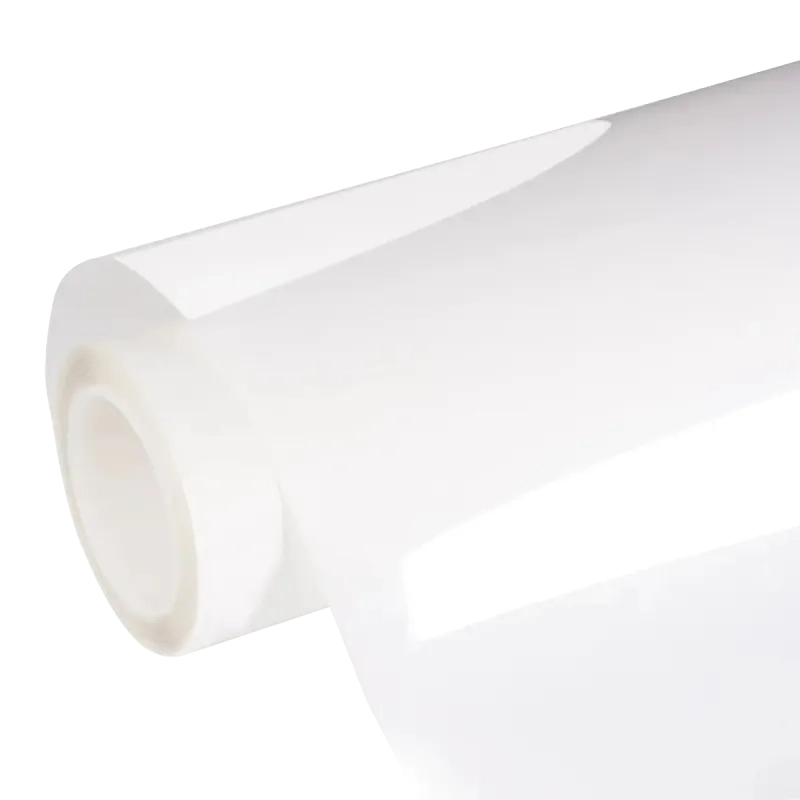
Automotive paint protection isn’t a single product—it’s a layered plan that matches risk zones, driving conditions, gloss level, and aftercare. Below is a concise strategy that uses clear gloss PPF for optical pop, matte PPF for sheen control, and color PPF where style and protection must coexist. We’ve included representative measured values from product data sheets and standards-based tests so you can plan with confidence.
Why PPF sits at the core
Modern PPF uses aliphatic TPU with a self-healing, hydrophobic top coat. Typical premium films measure ~8 mil total thickness for impact and chip resistance; ALUKO’s clear gloss option specifies 8.5 mil ±0.3 and UV blocking of ~98.5%, with 60° gloss ~94 GU. Self-healing of light marring at ambient temperature is commonly documented in ~20–30 minutes (faster with warm water ~120 °F/49 °C). Hydrophobic top coats routinely achieve water contact angles above 110°, indicating strong water beading and easy cleaning.
Mechanical strength matters during install and in service. Independent and brand technical sheets report tensile strengths measured by ASTM D882 with elongation in the hundreds of percent (e.g., 8 mil matte PPF with ~8200 PSI tensile and ~450% elongation; other films report >20 MPa tensile and >250% elongation).
Representative measured values (for planning)
| Property | Method | Representative Value | Notes / Source |
|---|---|---|---|
| Total thickness (clear gloss PPF) | Micrometer | 8.5 mil (±0.3) | Product spec sheet (ALUKO). |
| Total thickness (clear matte PPF) | Micrometer | 7.5 mil (±0.3) | Product spec sheet (ALUKO). |
| UV rejection (clear PPF) | Manufacturer test | ~98.5% | Product spec sheet (ALUKO). |
| 60° Gloss (clear gloss PPF) | ASTM D523 | ~94 GU | Product spec sheet (ALUKO). |
| Tensile strength / Elongation | ASTM D882 | ~8200 PSI & ~450% (example) | MaxPro technical data (matte PPF). |
| Self-healing (light swirls) | Ambient / warm water | ~20–30 min at room temp (faster at ~49 °C) | XPEL care guidance. |
| Hydrophobic contact angle | Goniometer | >110° (top-coated surfaces) | Optics/auto coating specs. |
Build your complete protection stack
- High-impact zones = clear gloss PPF. Use clear gloss PPF for leading edges: bumper, hood front 18–24″, fenders, mirror caps, rocker panels, trunk sill. It preserves color depth and adds chip resistance with high clarity and gloss (~94 GU). Link: clear gloss ppf.
- Glare control or satin builds = clear matte PPF. If you prefer a factory-style satin sheen or need to tame glare on dark paints, a clear matte PPF offers the same TPU backbone at ~7.5 mil with self-healing and UV filtration. Link: clear matt ppf.
- Style + protection = colored PPF for accents or full wraps. Colored TPU PPFs (e.g., matte violet) blend the self-healing, hydrophobic layer with a curated finish—ideal for hoods/roofs or full transformations without sacrificing impact resistance. Link: colored ppf.
- Finish with maintenance and optional coating. Wash with pH-neutral soaps and avoid harsh solvents; on top, you may add a ceramic sealant to boost slickness and water beading (contact angles ~110° are typical for premium coatings).
Placement & coverage templates
For daily drivers, prioritize a “front-clip” (bumper, partial hood/fenders, mirrors). For highway or track, step up to full-front or even full-body coverage. If you want a color change without paint, combine a protective PPF layer in high-impact zones with a durable car wrap on lower-risk panels for cost control and rapid restyling.
Installation, testing & warranty notes
- Surface prep & install: Clay and panel-wipe; wet installs allow precise alignment on complex curves. Colored PPFs often recommend wet application for a bubble-free finish.
- Adhesion & film tests: Mechanical properties (tensile, elongation) are commonly reported per ASTM D882. Gloss is measured by ASTM D523. Adhesion of thick films is usually evaluated via peel strength; classic ASTM D3359 cross-cut tape tests are aimed at thinner coatings (<5 mil) and have limitations on thicker films.
- Care & self-healing: Do not wax with abrasives. Light swirls will self-heal with ambient heat or warm water; see manufacturer guidance for temperature and timing.
Putting it together
Start with clear gloss PPF on strike zones for maximum optical pop and chip defense; deploy clear matte PPF where you want a satin aesthetic; and use colored PPF for design accents or full restyles without sacrificing protection. Layer smart maintenance on top, and you’ll retain paint value while customizing appearance to taste.
Quick links: clear gloss ppf · clear matt ppf · colored ppf · car wrap
Blog comments
0 Comments