

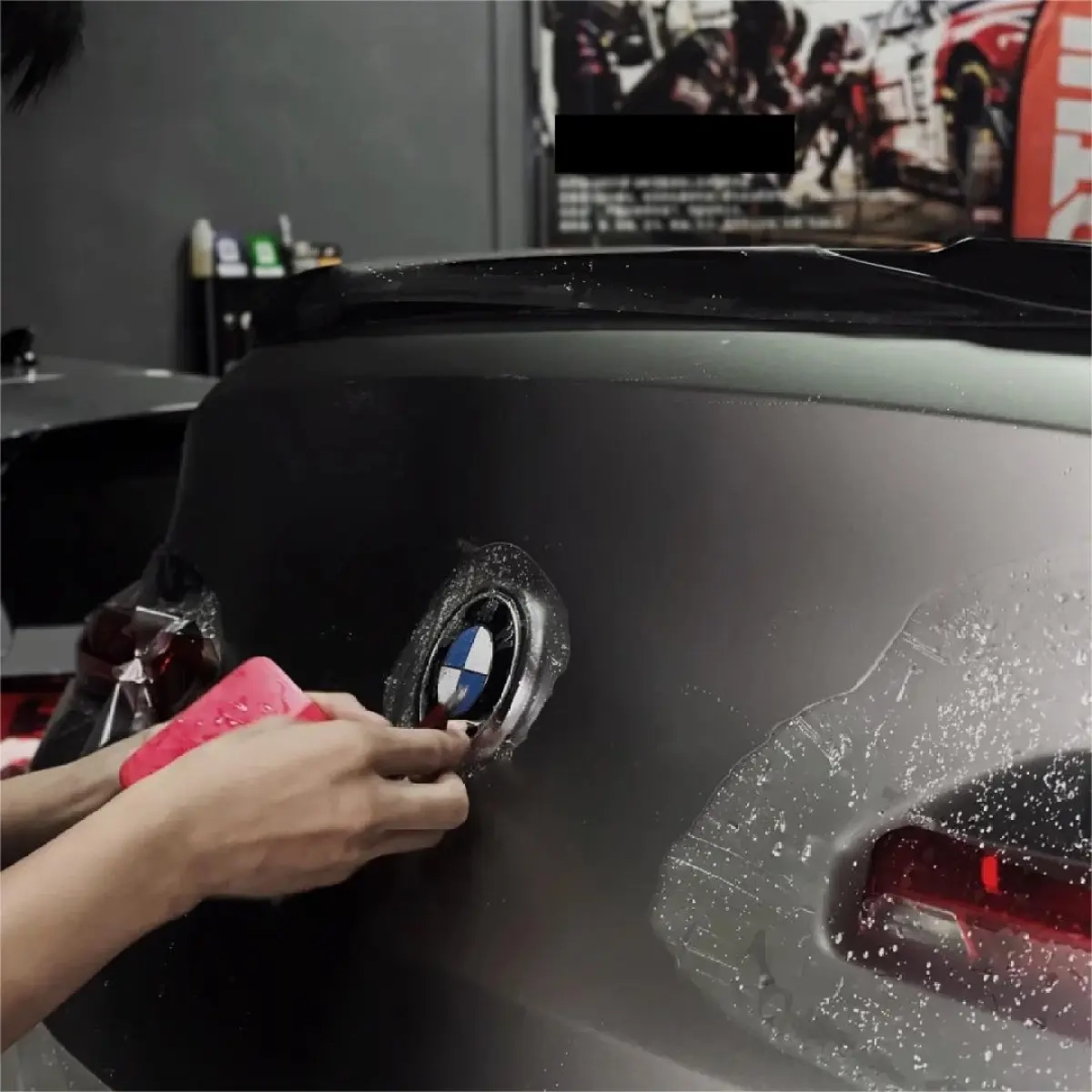
Detailing & Protection • 2025 Guide
Your car clear coat is a thin, UV-stabilized transparent layer that creates depth and gloss—and it’s the first line of defense against oxidation, etching, and micro-marring. This guide explains how pros assess thickness before polishing, how to restore safely, and why modern TPU paint-protection films (PPF) are the most reliable long-term shield. We also include lab-grade, measured data so your decisions are evidence-based.
Step 1 — Measure before you cut
Polishing removes a small amount of car clear coat, so pros always measure film build with a paint thickness gauge before any cutting. Typical factory systems total about 4–7 mil (≈100–180 µm), and the OEM clear coat itself usually sits around 35–50 µm. To preserve UV inhibitors, many manufacturers advise removing no more than about ≈8 µm of clear coat during correction. That’s why a conservative, test-spot approach matters.
Tip: If your readings are inconsistent panel-to-panel, assume prior repairs or thin areas. In those spots, step down cut, switch pads, or skip correction entirely to avoid a breakthrough.
Inspection checklist
- Wash/decon (iron remover + clay) to expose true defects.
- Measure paint (roof/hood/doors/fenders) and log averages.
- Choose the least aggressive pad/compound that achieves your target.
- Use controlled passes and re-measure after your test spot.
Step 2 — Restore gloss with controlled correction
After decon, refine with one- or two-step correction depending on defect depth. Work cool, keep pads clean, and track results with a 60° glossmeter (ASTM D523). On hard paints, a fine-cut compound followed by a finishing polish usually restores clarity while minimizing material removal. If etching or RIDS remain after your safe limit, stop—saving clear coat now means longer service life later.
Step 3 — Lock in protection with the right film
Ceramic sealants help slickness, but the most robust defense today is TPU-based paint protection film. Choose your finish and coverage, then maintain it like paint.
Gloss “invisible” protection
Our clear ppf wrap adds a thick, optically clear barrier without changing color. Modern films are ~7–8 mil (≈180–200 µm) without liner, use elastomeric topcoats that self-heal fine swirls with heat, and retain high gloss after accelerated weathering. Expect excellent chip resistance and stain resistance.
Factory-look satin
Prefer a stealth look? Our matte clear ppf converts gloss to uniform satin while keeping OEM paint safe. It’s ideal when you want to hide minor texture or re-style a vehicle without a respray.
Color + protection in one
Want both impact and armor? Explore colored tpu vinyl wrap—it’s a pigmented TPU PPF that delivers chip resistance plus a designer hue.
Full-body wrap or high-impact zones
At minimum, protect the front clip, rockers, and luggage area. For daily drivers or track use, full-body coverage provides maximum lifecycle value.
Measured data & standards snapshot
| Property | Measured/Specified Value | How it’s tested |
|---|---|---|
| OEM clear coat typical thickness | ≈ 35–50 µm (1.5–2.0 mil) | Gauged on vehicle with magnetic/eddy current/ultrasonic instruments |
| Recommended safe removal during correction | ≤ ~8 µm (≈0.3 mil) | Process guidance from detailing metrology; preserve UV inhibitor package |
| Refinish clear coat film build (example PPG HS) | 50–60 µm in two coats | Manufacturer TDS (spray process specification) |
| TPU PPF construction (example modern gloss film) | Total ≈193 µm (7.6 mil) w/o liner; TPU core ~152 µm; adhesive ~28 µm; topcoat ~12 µm | Manufacturer TDS layer stack |
| PPF gloss / retention | >90 GU at 60°; 80–90% gloss retention after accelerated weathering | ISO 2813 (gloss), SAE J2527 / ASTM G90 (weathering) |
| Stone-chip resistance (PPF) | No detrimental effect in gravelometer testing | ASTM D3170 / SAE J400 |
Standards you may see on spec sheets: ASTM D523 (gloss, 20°/60°/85°), ISO 2813 (gloss), SAE J2527 / ASTM G90/G154 (UV weathering), ASTM D3170/SAE J400 (chip).
Care & maintenance
- Two-bucket wash; pH-balanced soaps; rinse thoroughly.
- Avoid aggressive solvents. Use PPF-safe quick detailers and gentle bug/tar removers.
- For car wrap and PPF, inspect edges quarterly and re-seal with a polymer sealant if needed.
Blog comments
0 Comments