

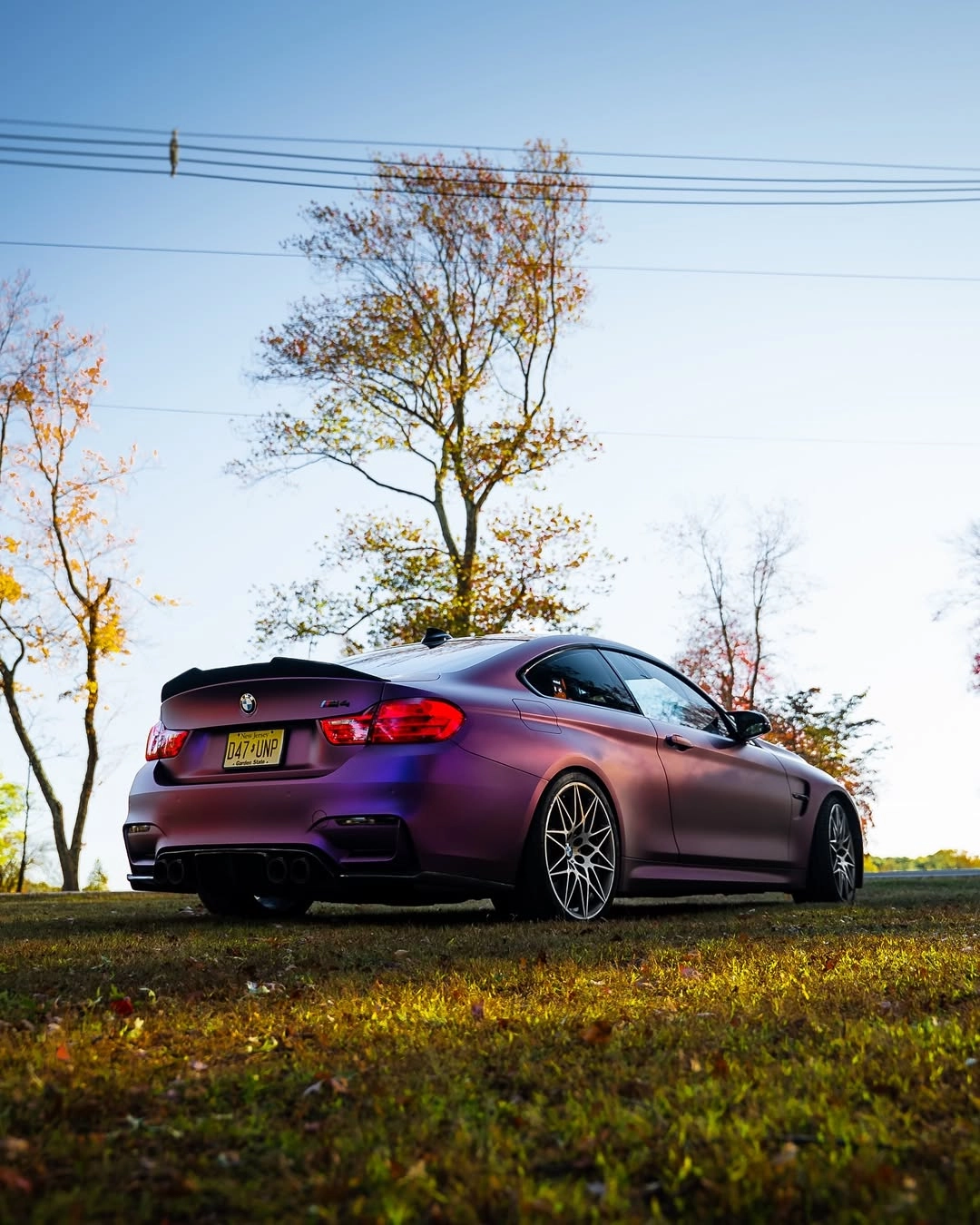
Thermoplastic polyurethane (TPU) paint protection films now come in clear, matte, and OEM-style colors—letting you restyle a vehicle and shield it from chips, scratches, and weathering in one step. This guide explains what TPU color PPF is, how it works, how it compares with vinyl wrap, and how to choose among clear gloss PPF, matte PPF, and colored PPF options for your project.
What exactly is TPU Color PPF?
Paint protection film is a multi-layer laminate designed to absorb road rash and abrasion before they reach the paint. A typical stack uses a self-healing elastomeric topcoat, a TPU core layer for toughness and clarity, and a pressure-sensitive acrylic adhesive. “Color PPF” simply adds high-stability pigments to the TPU system so you can achieve factory-style hues (or stealth matte looks) with the same impact resistance as clear films.
Performance data that actually matter
Thickness & clarity
Modern premium PPFs are commonly in the ~7–8 mil range (≈175–200 µm) for a balance of chip resistance, formability over compound curves, and optical performance. Clear gloss variants target high DOI (distinctness of image) to preserve paint depth, while colored and matte variants tune surface texture or pigment load for the desired visual effect.
Self-healing topcoats
Elastic clearcoats in quality films can thermally “heal” light swirls and micro-marring from washing—restoring the surface without polishing. This behavior is a hallmark of premium TPU systems and helps maintain finish quality over time.
Tensile & elongation (durability in real use)
Under the hood, film makers qualify mechanical performance using plastics film standards such as tensile strength and elongation at break (commonly tested per ASTM methods). High elongation with robust tensile values contributes to edge integrity and resistance to tearing during installation and service.
Longevity & weathering
With proper care and brand-specified maintenance, high-grade TPU PPF typically offers multi-year durability and color stability, backed by manufacturer warranties on material defects. In colored systems, premium pigments and UV-stable chemistry are critical to maintain vibrancy.
Appearance: clear gloss vs. matte vs. color
- Clear gloss PPF — Protects while amplifying painted gloss for a “wet” showroom look. Explore options here: clear gloss PPF.
- Matte (satin) PPF — Instantly “stealths” the car by diffusing reflections; ideal for modern performance models. See matt PPF.
- Colored PPF — Restyles with OEM-like colors while preserving impact protection—great for hoods, full-front, or full-body coverage. Browse colored PPF.
PPF vs. Vinyl Wrap: which should you choose?
Both products refresh appearance, but they’re engineered for different jobs. Traditional vinyl wrap (often PVC-based) is optimized for restyling, printability, and broad color effects. TPU PPF, by contrast, is engineered for impact and abrasion resistance with self-healing topcoats. If your priority is chip prevention on highways or track days, PPF wins. If your priority is a dramatic color/graphic change at the lowest mass and cost, vinyl wrap is compelling. Colored PPF bridges the gap—delivering a durable finish change with protection built in.
Installation & care essentials
- Environment: Install within the temperature window specified by the film maker for best tack and slip-solution control.
- Patterning: Pre-cut kits minimize knife work on paint; bulk installs allow custom coverage (mirrors, roof edges, complex bumpers).
- Edges & stretch: Respect max stretch guidelines to avoid long-term lift; use heat judiciously on sharp returns.
- Maintenance: Hand-wash with neutral pH soap, avoid aggressive solvents; many topcoats are hydrophobic, making routine cleaning easier.
How to spec an ALUKO color PPF project
- Define coverage: Full front (bumper, hood, fenders, mirrors) vs. full body depending on exposure and budget.
- Pick the finish: Decide between clear gloss PPF, matt PPF, or your target hue in colored PPF.
- Match thickness & warranty: For daily drivers, ~7–8 mil premium films provide a strong balance of protection and conformability.
- Plan edges & seams: Tuck and wrap where feasible; discuss panel removal with your installer for invisible terminations.
Good to know: You can also combine solutions—for example, pair colored PPF on high-impact zones with traditional vinyl wrap on low-impact panels to optimize cost and durability.
Blog comments
0 Comments