

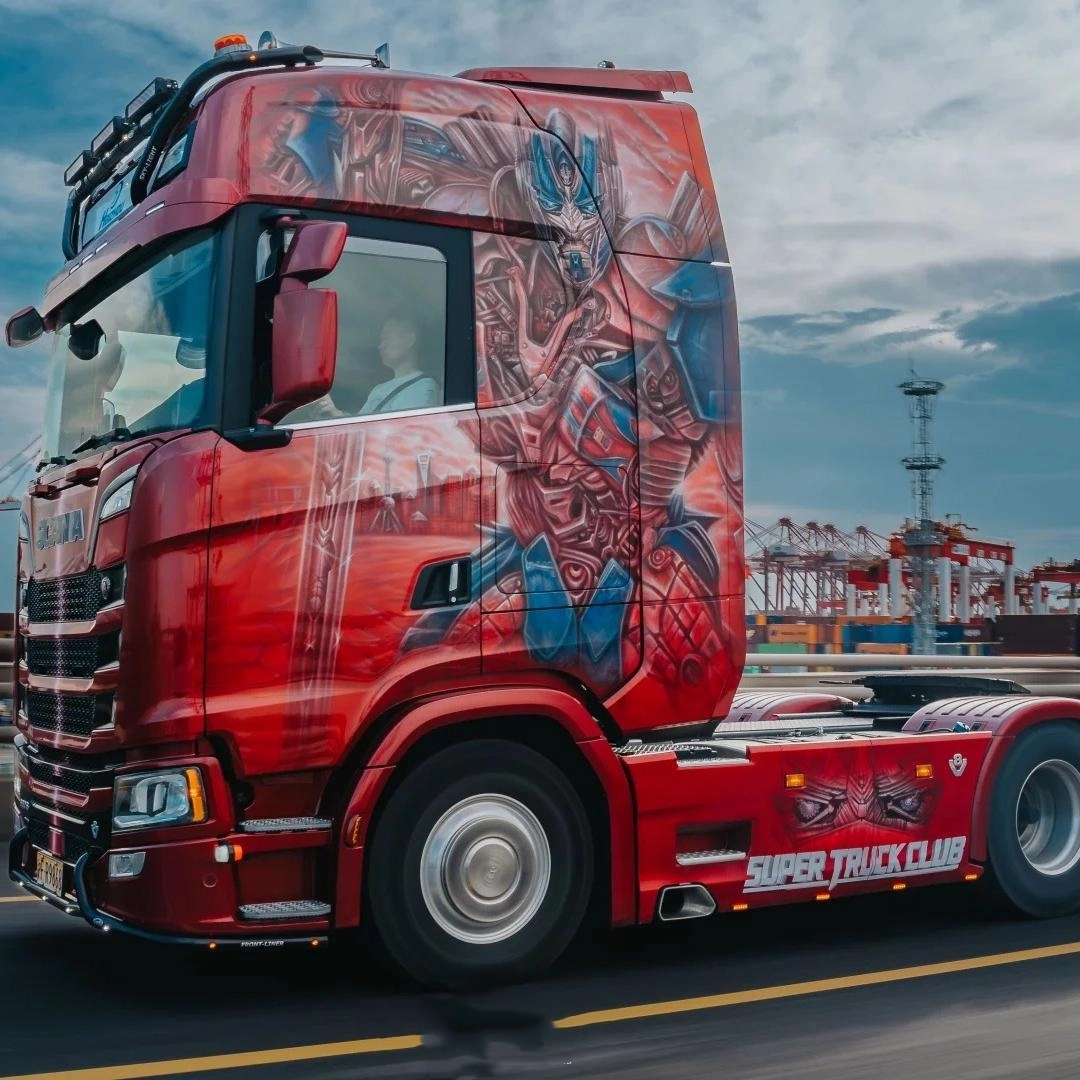
Done right, vinyl wrap turns your truck into a moving billboard that boosts reach, recall, and brand credibility—without the recurring costs of traditional media. Below are ten field-tested wrap concepts that modern fleets use to stand out on city streets, highways, and jobsites, plus quick tips on compliance, durability, and finish selection.
1) Full-Color Brand Billboard
Fill the largest panels with your primary brand color and oversized wordmark. Keep secondary elements (services, web URL, phone) high contrast and legible from 50–100 feet. This timeless layout maximizes impressions in traffic and during curbside parking.
2) Photo-Forward Product Story
Use one hero photo per side (e.g., your flagship product or before/after service). Crop tightly, avoid busy collages, and reserve the rear doors for a strong call-to-action. This design works especially well for foodservice, construction trades, home services, and retail delivery.
3) High-Contrast Typography & DOT-Safe Layout
Big trucks demand big type. Set your core message in 8–12 inch letters; keep the USDOT number, MC number, and legal name in a dedicated, uncluttered area with strong contrast so compliance marks stay readable and never compete with marketing copy.
4) Matte–Gloss Duo-Finish
Combine finishes for depth and polish: matte body panels with gloss logos, or the reverse. It’s an easy way to make graphics pop under harsh sun or site lighting. Learn more about choosing the right sheen here: glossy car wrap vs. matte vinyl wrap.
5) Reflective Accent Safety Wrap
Add reflective striping in strategic zones (rear perimeter, step edges, toolbox lids). You’ll improve night visibility for crews while creating a premium “lit outline” look after dark. Keep required conspicuity tape zones clear on applicable trailers.
6) Modular Promo Panels
Plan for seasonal swaps—design shallow recess “promo zones” so you can update offers without rewrapping the entire vehicle. It reduces long-term cost and keeps your fleet message fresh year-round.
7) Patterned Texture: Brushed, Carbon, or Geometric
Texture reads beautifully on larger trucks. Brushed metal or subtle geometric patterns can add movement and upscale feel while hiding minor scuffs. Use texture behind logos to frame the brand without visual clutter.
8) Location & Wayfinding Wrap
If you run local routes or service calls, integrate neighborhood names or a simplified map motif along the lower rocker. Pair with prominent phone/URL on the rear doors so following traffic can convert quickly.
9) Fleet-First Template
Design a master template that scales across box trucks, pickups, and vans. Lock the brand grid (logo zones, compliance area, CTA placement) and allow only the model photo or service badge to change. This keeps procurement simple and brand recognition high as your fleet grows.
10) Partial Wrap + Stone-Chip Strategy
For cost-efficient trucks, wrap the high-visibility sides and rear, and leave the cab in factory paint—with clear protection where it counts. Use graphics where impressions are highest and preserve finish in impact zones with film planning.
Durability & Finish Planning (Quick Guide)
- Film choice: Cast wrap films conform over rivets and corrugations and typically last longer than calendered films on vertical truck panels.
- Overlaminate: Specify the matching overlaminate finish (gloss or matte) to protect prints from UV, abrasion, and detergents.
- Prep & edges: Proper decontamination (sap, wax, silicone) and edge sealing around hinges, rivets, and high-spray areas extend service life and reduce lift.
- Finish selection: See our finish categories for inspiration: glossy car wrap and matte vinyl wrap.
Compliance & Readability Essentials
Keep the legal name and numbers clean, contrasting, and unobstructed. Avoid placing dense photography or low-contrast patterns behind compliance text. On trailers requiring conspicuity treatments, leave mandated zones clear so reflective elements remain visible.
Design Workflow That Saves Money
- Audit the truck: Measure panel widths/heights, rivet lines, door seams, fuel caps, and latches. Photograph each side square-on.
- Choose a design track: Billboard-simple (Concepts 1–3) for maximum legibility, or premium texture/finish (Concepts 4–7) for brand halo.
- Plan renewals: Use modular promo zones (Concept 6) so offers can be refreshed without a full rewrap.
- Spec finishes early: Align creative with film category, overlaminate, and installation notes. Need creative help? Explore our car wrap design resources.
Bottom Line
Whether you manage a single box truck or a regional fleet, these ten concepts balance visibility, brand polish, and real-world compliance. Start with a bold billboard layout, add finish contrast where it counts, and plan for low-cost refreshes. With a smart strategy and quality materials, your trucks will work like media—every mile.
Blog comments
0 Comments