

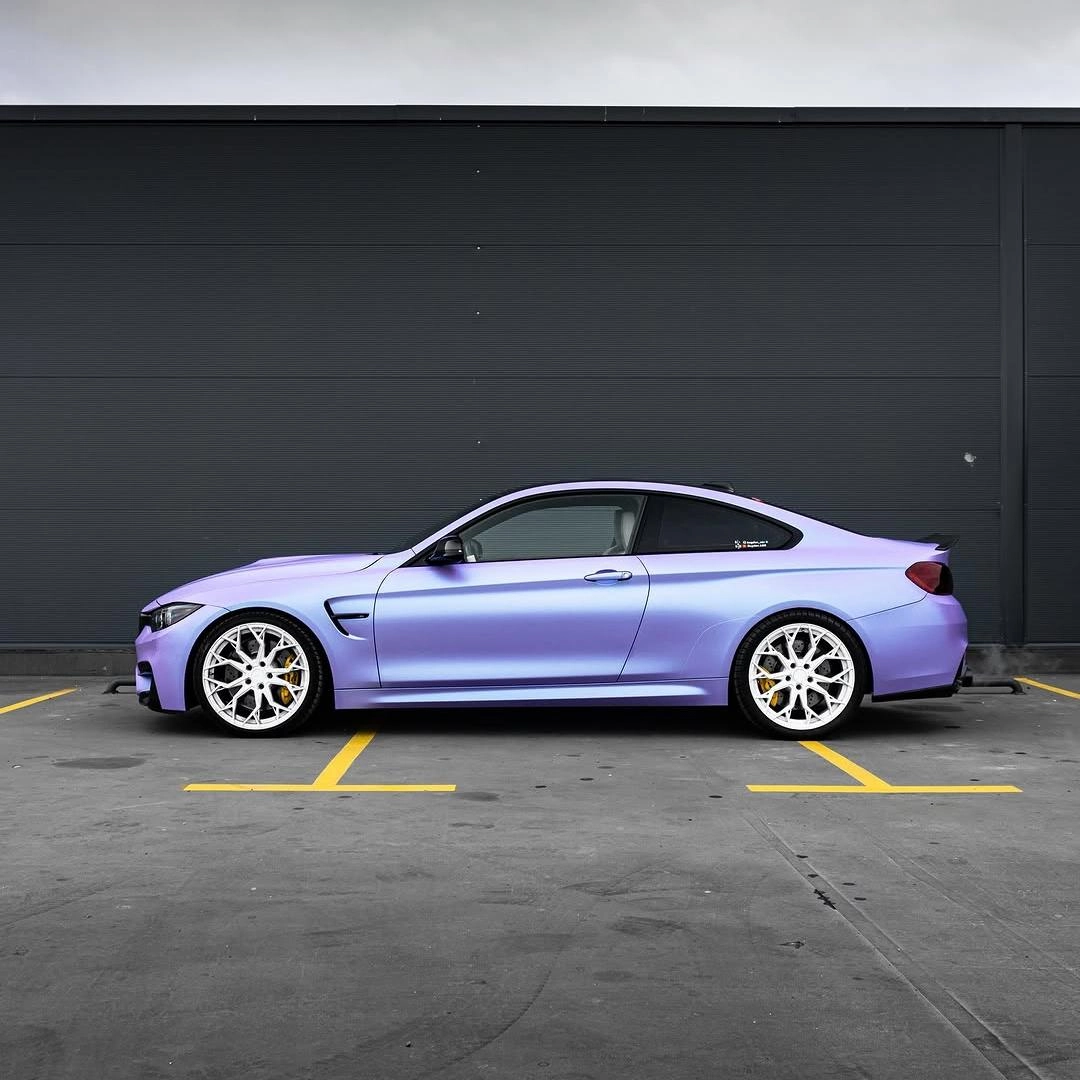
Thinking about an automotive wrap for color change, protection, or branding? This guide explains the main film types, what benefits to expect, how professional installation works, and the best ways to maintain your finish for years.
1) Main Types of Automotive Wraps
Cast Color-Change Vinyl
Cast wrap films are engineered for complex curves, deep channels, and long-term outdoor use. They’re the go-to for full color changes with finishes ranging from deep gloss to stealthy matte and satin. If you want a glass-like shine, browse Aluko’s Glossy Car Wrap collection. For a toned-down look with reduced reflections, explore Matte Vinyl Wraps.
Calendered Vinyl (Budget & Accent)
Calendered films can be a smart choice for partial wraps, simple panels, and budget-sensitive projects. They typically offer less conformability and shorter outdoor lifespans than cast films, but remain popular for accent pieces, fleets using flat panels, and short-term campaigns.
Paint Protection Film (PPF)
PPF is a transparent, self-healing polyurethane layer designed to absorb abrasion and road rash on high-impact areas (front clip, rockers, mirror caps). It preserves the paint’s finish and can be glossy or matte. Many owners combine a full color wrap with PPF on the nose for extra durability.
2) Benefits vs. Paint
- Reversible color changes: Swap colors or finishes without a permanent respray.
- Surface protection: Quality vinyl helps guard against light abrasion and UV; PPF adds rock-chip resistance.
- Branding & resale: Wraps enable temporary fleet graphics and can help preserve factory paint underneath.
- Choice & speed: Dozens of colors/finishes available, often with faster turnaround than paint.
To start exploring options, see our home page for car wrap solutions across finishes and protective films.
3) Installation Basics (What Pros Do)
- Inspection & Prep: Detail and decontaminate the paint (wash, clay, panel wipe). Sound paint is essential—wraps won’t hide chips or deep scratches.
- Material Planning: Choose cast vinyl for complex contours and long-term durability; add PPF to impact zones if desired.
- Application: Panels are measured, tacked, stretched with heat where appropriate, then squeegeed to expel air via micro-channel adhesives.
- Post-Installation: Installers “post-heat” select areas per manufacturer guidance and keep the car indoors for initial curing.
Professional technique and correct film selection are the two biggest predictors of a wrap’s longevity and appearance.
4) Maintenance & Care
- First 72 hours: Avoid washing; allow adhesive to settle.
- Routine washing: Hand-wash with pH-neutral soap and a soft mitt. Rinse thoroughly; avoid harsh solvents and abrasive pads.
- Automatic washes: Touchless is preferred. Brush tunnels can scuff films or catch exposed edges.
- Protection: On gloss wrap films, use wrap-safe spray sealants; avoid waxes on matte finishes (they can add unwanted sheen). PPF top coats are typically low-maintenance—just wash and occasionally decontaminate.
5) Lifespan, Thickness & Specifications (At a Glance)
- Wrap film thickness: Premium cast color-change films are typically around 3–4 mil (0.003–0.004").
- PPF thickness: Commonly ~8 mil (≈0.008"), with self-healing clear coats that recover from light swirls.
- Durability guidance: Leading wrap films list multi-year warranties for vertical exposure, with shorter terms on horizontal surfaces and in harsh climates. Always check the specific data sheet and warranty region.
- Adhesive tech: Modern films use repositionable, air-release adhesives for cleaner installs and easier bubble release.
Because durability depends on exposure, color (darker hues absorb more heat), prep quality, and maintenance, working with an experienced installer is essential.
6) How to Choose the Right Automotive Wrap
Finish goal: If you want mirror-like gloss with high depth, start with Glossy Car Wrap. For non-reflective style, choose Matte Vinyl Wraps. For daily-driver protection (especially highways), consider adding PPF to the front clip or performing a full PPF wrap.
Use case: Show cars and complex body lines favor cast vinyl; commercial fleets with simple panels can often use calendered films. High-mileage commuters and new vehicles benefit most from PPF on impact zones.
Budget planning: Factor film cost, install labor (panel complexity, disassembly), and aftercare products. Wraps are reversible, so you keep flexibility for future color changes or resale.
Blog comments
0 Comments