

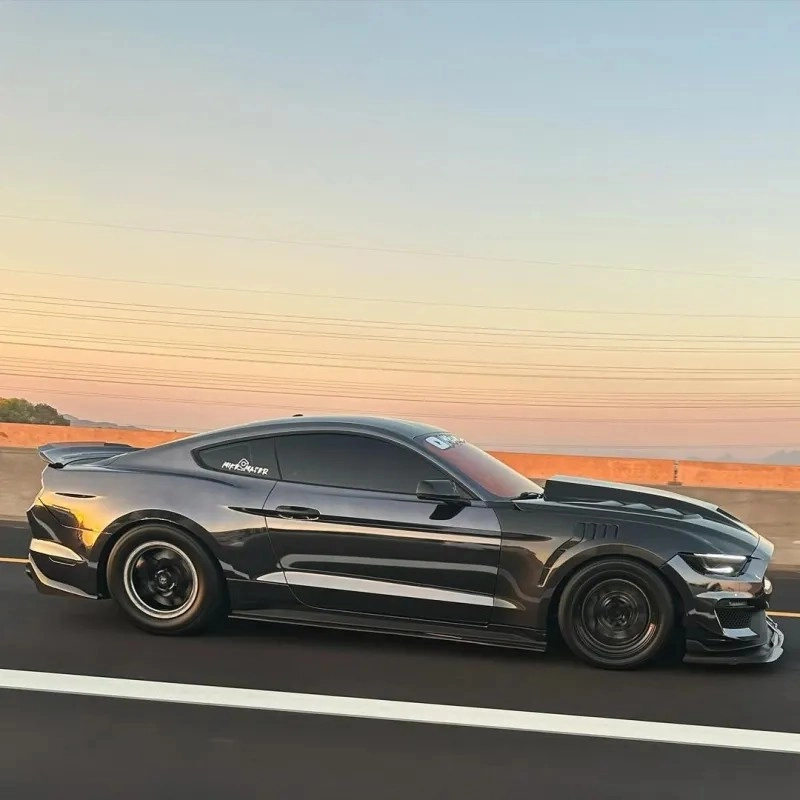
When it comes to customizing your vehicle, vinyl wrapping is one of the most popular and effective ways to transform its appearance. However, many car owners often wonder, can you wrap vinyl directly over bare metal? While the short answer is no, there are several factors to consider before attempting a vinyl wrap on unprepared metal surfaces. In this blog, we’ll explore why wrapping over bare metal is not recommended and how to properly prepare metal surfaces to ensure your wrap stays intact and looks great for years to come.
Why You Shouldn’t Wrap Over Bare Metal
Vinyl wraps are a fantastic way to enhance your car’s aesthetics, but applying vinyl to bare metal surfaces can lead to several issues that can compromise the wrap's quality, longevity, and appearance. Here’s why you should avoid wrapping over bare metal without proper preparation:
-
Rust Development Bare metal is highly susceptible to rust, particularly in humid or wet conditions. Vinyl wrap can trap moisture underneath, accelerating rust formation, which can eventually cause bubbling and peeling of the vinyl.
-
Surface Imperfections Even if the bare metal surface appears smooth, it may have hidden imperfections like scratches, dents, or small chips. These imperfections will show through the vinyl wrap, making the final result less than perfect and reducing its lifespan.
-
Heat Damage Unlike painted surfaces, bare metal conducts heat much more efficiently. This can lead to the vinyl wrap warping, developing bubbles, or losing adhesion when exposed to extreme heat, which could happen during the summer months or long periods of exposure to the sun.
-
Shortened Lifespan The primary reason for the failure of a vinyl wrap on bare metal is improper adhesion. Without proper preparation, the adhesive on the vinyl will not stick properly, leading to peeling or fading over time.
Preparing Bare Metal for Vinyl Wrapping: Step-by-Step
If you absolutely must wrap over bare metal, proper surface preparation is key to achieving a smooth and durable finish. Here's how to prepare the metal for vinyl wrapping:
1. Clean the Surface Thoroughly
Before applying any vinyl, ensure that the metal surface is completely free of contaminants. Clean the metal surface with a mild detergent or specialized surface cleaner, and use a microfiber cloth to wipe away any dirt, grease, or wax residues. Make sure the surface is completely dry before moving on to the next step.
2. Sand the Metal to Achieve a Smooth Surface
Bare metal often has surface imperfections like scratches, rust spots, or dents. Use fine-grit sandpaper to sand down the metal surface and smooth out these imperfections. This step is crucial to achieving a smooth finish that will allow the vinyl to adhere properly.
3. Prime the Metal Surface
To ensure proper adhesion and protection against rust, apply a high-quality primer designed for bare metal surfaces. Priming is crucial because it helps the vinyl bond securely to the metal and prevents the metal from corroding underneath the wrap.
4. Use Heat to Remove Moisture
Before applying the vinyl wrap, use a heat gun or heat source to warm the bare metal surface. This helps to eliminate any trapped moisture in the metal, ensuring that the vinyl will stick better and conform more easily to the surface.
5. Test the Adhesion
Always perform a test adhesion by applying a small piece of vinyl to a hidden area of the surface. Press the vinyl down firmly and check if it sticks properly without any lifting or air bubbles. If it adheres well, proceed with wrapping the entire surface.
6. Apply the Vinyl Wrap
Once you’ve completed all the necessary steps, you can begin applying the vinyl wrap. Start at one edge and use a squeegee to smooth out the vinyl, working from the center outward to eliminate air bubbles. Make sure to follow the manufacturer's instructions for the best results.
Other Surfaces That Require Preparation Before Wrapping
Just like bare metal, there are other surfaces that require special attention before applying vinyl. Here are a few examples:
-
Damaged Paint: Applying vinyl over damaged or chipped paint can exacerbate the problem and make the imperfections more visible. It’s best to repair the paint first to avoid further damage.
-
Deep Scratches: If your car has deep scratches, the vinyl will not be able to conceal them. While some wraps may minimize the appearance, they won’t completely hide the damage.
-
Rusted Metal: Rusted metal will not allow vinyl to adhere properly. Rust weakens the bond between the surface and the vinyl, which can cause peeling over time. Address any rust issues before attempting to apply a vinyl wrap.
-
Peeling Clear Coat: If your vehicle has areas where the clear coat is peeling, these areas need to be properly prepped before applying vinyl. Consider professional sanding to ensure the surface is smooth.
Conclusion: Proper Surface Preparation is Key
While it might seem tempting to save time and apply a vinyl wrap directly over bare metal, this approach is not recommended. Without proper preparation, the vinyl will not adhere well, leading to premature failure, unsightly bubbles, or even peeling. By following the necessary steps—cleaning, sanding, priming, and testing adhesion—you can ensure a smooth, durable, and professional-looking vinyl wrap that will last for years.
At Alukovinyl, we provide premium vinyl wraps designed for long-lasting performance and easy application. If you’re ready to customize your vehicle with high-quality wraps, check out our extensive selection of vinyl options tailored to suit every style and need. Properly preparing your vehicle’s surface and using high-quality vinyl ensures your wrap will look fantastic and withstand the test of time.
Blog comments
0 Comments