

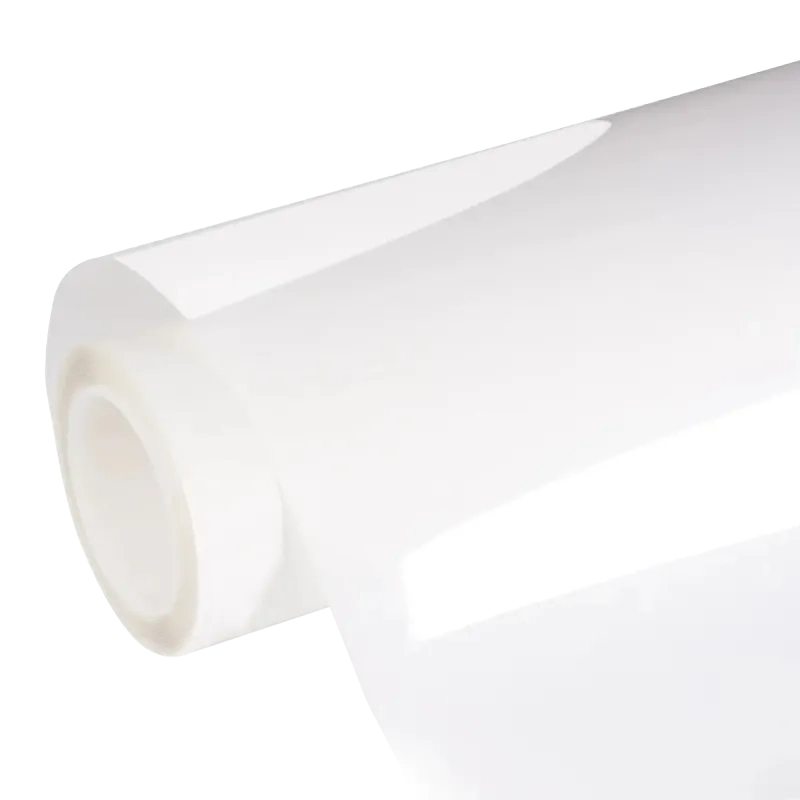
Premium TPU PPF roll used in modern wet installs.
Thinking about protecting your paint with PPF (paint protection film)? Below is a step-by-step look at the install day, the tools and solutions your installer will use, how long it typically takes, and a quick snapshot of lab-measured performance so you know exactly what you’re getting.
What PPF Is (and Why It Works)
PPF is a clear, aliphatic TPU film with a self-healing clearcoat that absorbs the abuse paint cannot—rock chips, sandblasting, road tar, and wash swirls—then “relaxes” minor marks with heat. Most high-quality films are ~7–10 mil thick and are engineered for optical clarity, high gloss (or uniform matte), chemical resistance, and long-term weathering stability.
Prefer color or a stealth look? You can choose a traditional clear ppf for invisible protection, a textured stealth finish like matt ppf, or a style-forward colored ppf. If you’re exploring color changes beyond PPF, see our vinyl wrap options.
Professional PPF Installation: Step-by-Step
- Check-in & Inspection — The installer documents the paint condition, trims, sensors, and any aftermarket parts. You’ll align on coverage (front kit vs. full body) and panel removal preferences (badges, plates, etc.).
- Deep Prep — Foam wash, iron remover (if needed), clay bar, and an IPA/water wipe ensure the surface is surgically clean so the adhesive can wet-out uniformly along edges and recessed areas.
- Patterning & Plotting — Most shops use pre-cut templates to reduce blade work on paint. Complex panels may be “bulk” installed to allow stretching and wrapped edges for a seamless look.
- Wet Install — Two solutions are used:
- Slip solution (water + a small amount of surfactant) lets the film float so it can be positioned precisely.
- Tack solution (water + a controlled % of isopropyl alcohol) is misted where you want edges/reliefs to lock before squeegeeing.
The installer positions the film, “anchors” a few points with tack, and progressively squeegees out solution, tension, and air until the panel is optically flat.
- Edges, Wraps & Post-Heat — Edges are wrapped where possible, relief cuts are tucked, and sensitive areas (parking sensors, PDC, washer nozzles) are checked. Gentle heat helps set tension and accelerates early cure.
- Final QC & Curing — Expect a short curing window. You may see a light “install haze” or micro-bubbles that dissipate as moisture escapes. Most shops advise avoiding high-pressure washing for the first 48 hours.
How long does it take? Partial/front packages often finish within 1–3 days depending on prep and complexity; a full wrap can take longer when paint correction or ceramic is bundled. Installers also account for curing time before delivery.
Measured Performance Snapshot (From Brand TDS & Standards)
These are representative test values from leading PPF technical data sheets and standardized lab methods. They give you a feel for how modern TPU PPF performs in the real world.
| Property | Typical Value | Method / Source |
|---|---|---|
| Nominal thickness (w/o liner) | ~192 µm (7.6 mil) | XPEL ULTIMATE PLUS TDS (construction table) |
| Alternative thickness (with adhesive) | ~8 mil | 3M Scotchgard Pro Series 4.0 TDS |
| Gloss (60°) | >90 GU | XPEL ULTIMATE PLUS TDS |
| Shore A hardness | ~93A | ALUKO Gloss PPF spec |
| UV rejection | ~98.5% | ALUKO Gloss/Matte PPF specs |
| Tensile strength | >15 MPa (XPEL); ~20.6 MPa (3M) | ASTM D882 in brand TDS |
| Elongation at break | >200% (XPEL); ~450% (3M) | ASTM D882 in brand TDS |
| Stone-chip resistance | No detrimental effect at −29 °C, 70 psi gravel | ASTM D3170 / SAE J400 |
| Weathering / gloss retention | ΔE < 2 and ~80% gloss retention after xenon exposure | SAE J1976 / J2527 in brand TDS |
| Optical clarity / haze | Measured via transmittance & haze methods | ASTM D1003 (industry standard) |
| Self-healing behavior | Light marring disappears with ambient or warm water | Manufacturer care guides |
Notes: Values vary by film and batch. Always review the current product TDS and your installer’s warranty and after-care guidance.
After-Care & Real-World Tips
- Self-healing: Fine swirls typically relax at room temperature; warm water or sun exposure can accelerate healing. Avoid excessive heat guns on edges or near sensitive plastics.
- Washing: Wait until the initial cure passes (often ~48 hours). Use pH-neutral shampoo and microfiber mitts. Avoid aggressive tar removers on fresh installs.
- Edges: Do not pick at edges while the adhesive is still stabilizing. A quick visit for a post-install check can re-set any high-tension areas.
Choosing Your Finish
If you want OEM-like gloss with invisible protection, start with clear ppf. If you prefer a satin “stealth” look that hides light swirls, go for matt ppf. For a bolder look that still blocks chips and UV, explore colored ppf. And for full color changes beyond protection alone, our vinyl wrap lines offer hundreds of premium finishes.
Blog comments
0 Comments