

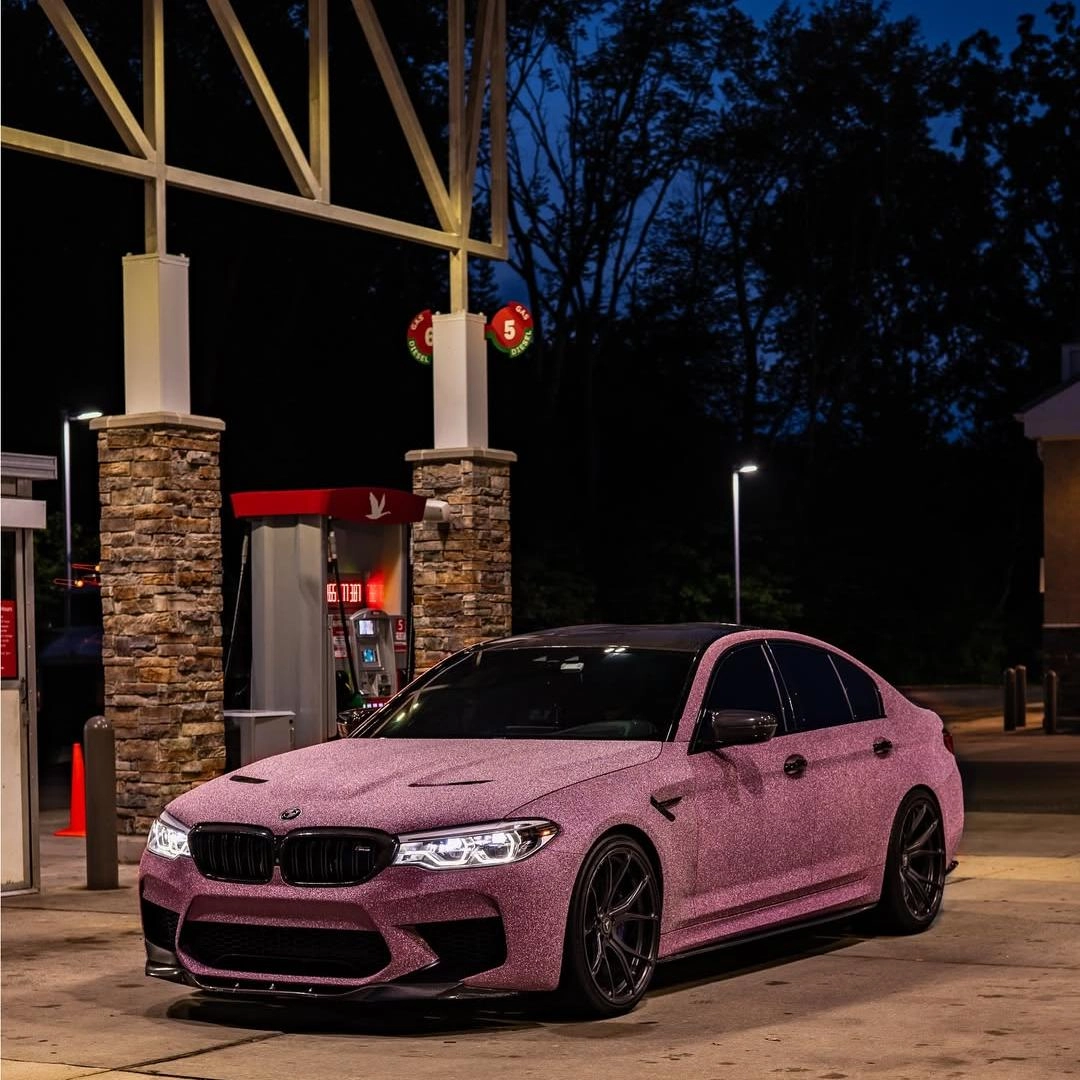
Thinking about wrapping your car? You probably want to know how much it costs. Here’s a quick look at what you might pay for a full car wrap in the U.S.:
Your car wrap cost depends on a few things. Bigger vehicles, like trucks or vans, usually cost more since they need more material and labor. The type of vinyl, the skill of the installer, and where you live can also change the final price.
Key Takeaways
-
Car wrap costs can be very different. The price depends on your vehicle’s size, the material, and how hard the design is. You might pay between $400 and $10,000.
-
Premium PET vinyl lasts longer and looks special. It costs more money. Standard vinyl is less expensive but does not last as long.
-
Labor costs are a big part of the price. Skilled installers charge more. They do a better job. It is best to hire a professional for good results.
-
Where you live also changes the price. Cities usually have higher prices because labor costs more. Check prices at different shops to get the best deal.
-
You may have to pay extra for custom designs, wrap removal, and care. These extra costs can add up fast. Make sure to plan your budget so you are not surprised.
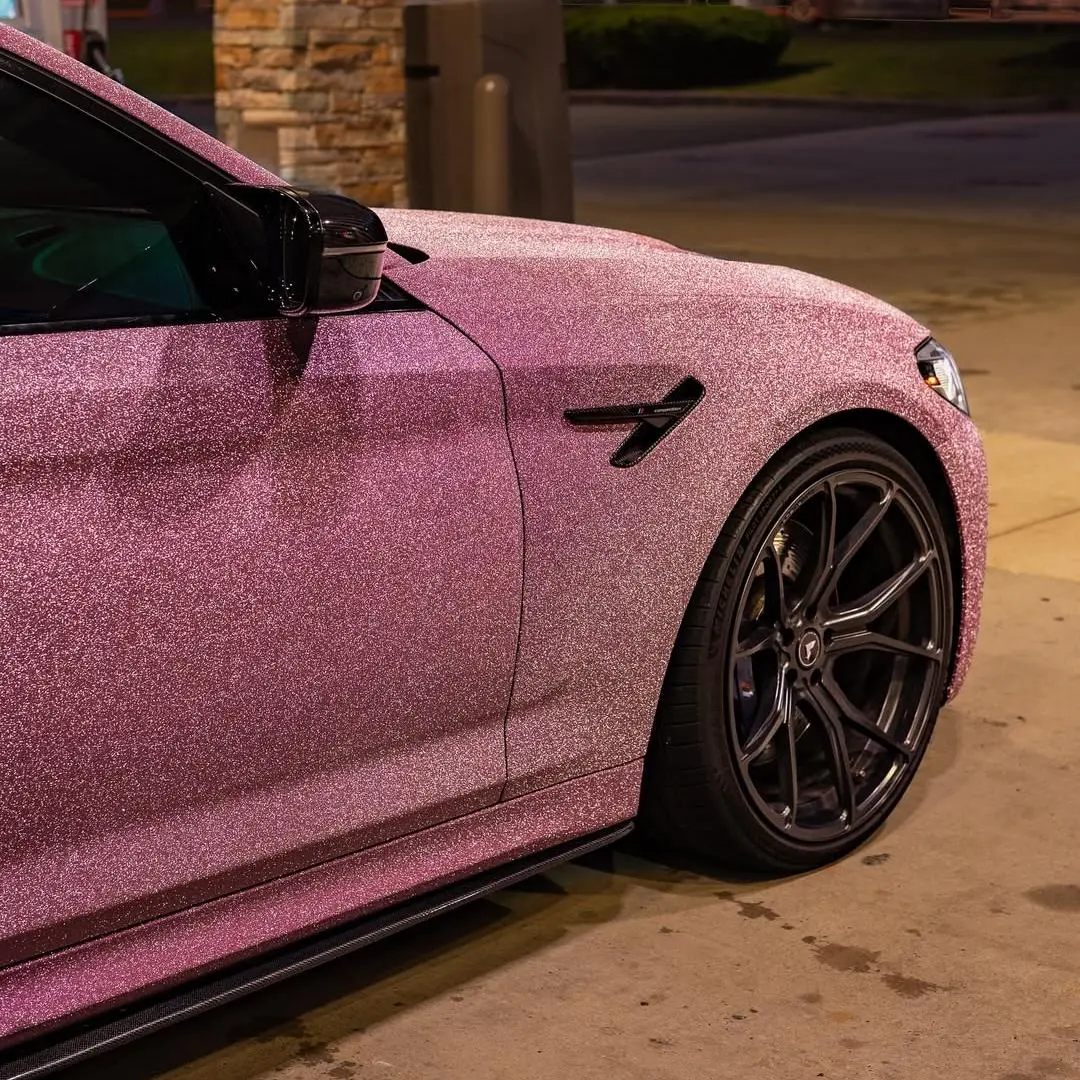
Car wrap cost factors
When you start looking into car wrap cost, you’ll notice several things can change the price. Let’s break down the main factors so you know what to expect.
Vehicle size
1. Full Car Wrap:
-
Standard Wrap: $2,500 - $5,000
-
High-Quality Wrap (premium vinyl, more intricate designs): $5,000 - $8,000+
2. Partial Wrap (e.g., hood, roof, or doors):
-
Small Areas: $500 - $2,000
-
Mid-Size Areas: $1,500 - $3,000
3. Custom Design or Print Wrap:
-
Custom graphic wraps (like logos, images, or patterns) will usually add extra costs, often $7,000 - $2,500+ on top of the base price.
Material type
The type of vinyl you choose matters a lot. Standard vinyl is cheaper, but premium and specialty finishes cost more and last longer.
Specialty finishes like matte, gloss, satin, metallic, chrome, or textured wraps can push the price even higher. Premium vinyl gives you better durability and a unique look, but you’ll pay extra for those features. If you want your car to stand out, specialty wraps are the way to go, but they will increase your car wrap cost.
Labor
Labor is another big part of car wrap cost. Skilled installers charge more because they work faster and deliver better results. Most shops set prices by square foot, not by the hour.
-
The average labor cost for installation is about $2.50 to $3.50 per square foot.
-
Experienced installers charge higher rates, but you get quality work.
-
Less experienced installers may offer lower prices, but the job could take longer.
If you want a smooth finish and fewer bubbles, it’s worth paying for a pro.
Design
Design complexity can change your car wrap cost a lot. Simple, single-color wraps are cheaper. If you want custom graphics or detailed artwork, you’ll pay more.
-
Complex designs need more time and skill, which raises labor costs.
-
Intricate graphics mean longer installation and more precision.
-
Custom graphics often add design fees from $500 to $1,500 or more.
If you want your car to look unique, be ready for a higher bill.
Region
Where you live affects car wrap cost, too. Shops in big cities usually charge more because labor rates are higher.
|
Region |
Price Range |
|---|---|
|
New York |
$2,600 - $3,100 |
|
Los Angeles |
$500 - $5,100 |
If you live in a rural area, you might find lower prices. Urban shops often have more experience, but you’ll pay for that expertise.
Tip: Always get quotes from several installers in your area. Prices can change a lot from one city to another.
What else affects car wrap cost?
Here’s a quick look at other things that can change your final price:
|
Factor |
Description |
|---|---|
|
Installer Experience |
Skilled installers charge more, but you get better results. |
|
Type of Material |
Premium and specialty vinyl wraps cost more and need special skills. |
|
Additional Services |
Extras like protective coatings or custom designs add to your bill. |
|
Location and Labor Rates |
Urban areas have higher labor costs. |
|
Vehicle Size |
Bigger vehicles need more material, so they cost more. |
|
Complexity of Design |
Detailed designs take more time and material. |
|
Color Complexity |
More colors or special effects mean higher costs. |
When you add up all these factors, you’ll see why car wrap cost can range from a couple thousand dollars to well over $10,000. Knowing what affects the price helps you plan your budget and get the look you want.
Car wrap cost breakdown
When you start comparing car wrap cost, you’ll notice big differences based on your vehicle, your location, and even the size of your car’s surface. Let’s break it down so you can see what you might pay.
By vehicle type
The type of vehicle you drive makes a huge difference in price. Wrapping a small sedan costs less than wrapping a big truck or van. Here’s a look at average price ranges for different vehicles:
|
Vehicle Type |
Typical Cost Range |
|---|---|
|
Sedans |
$2,500 – $4,500 |
|
SUVs |
$3,000 – $5,000 |
|
Pickup Trucks |
$3,000 – $6,000 |
|
Mini-Vans |
$3,500 – $6,000 |
|
Coupes |
$2,950 – $3,970 |
|
Vans |
$3,500 – $6,000+ |
If you drive a sedan or coupe, you’ll usually pay less. SUVs, trucks, and vans need more material and labor, so their car wrap cost goes up. Some shops charge extra for larger vehicles because they take longer to wrap and need more vinyl.
Tip: Always ask for a quote based on your exact vehicle model. Prices can change if your car has lots of curves or unique features.
By region
Where you live affects car wrap cost, too. Shops in big cities charge more because rent and labor cost more. If you live in a small town, you might get a better deal. Here’s what you can expect in different areas:
|
Location Type |
Example Locations |
Average Price Range |
|---|---|---|
|
Major Cities |
Los Angeles, New York, Miami, Seattle |
$3,000 – $6,500 |
|
Suburban/Secondary Cities |
Dallas, Atlanta, Denver, Orlando |
$2,500 – $4,800 |
|
Rural/Small Towns |
Midwest towns, Southern rural areas |
$1,800 – $3,500 |
If you live in a major city, your car wrap cost will probably be higher. Suburban and rural shops often offer lower prices, but you might have fewer options for specialty wraps or custom designs.
By square foot
You can also look at car wrap cost by the square foot. This helps if you want to wrap just part of your car, like the hood or roof. Here’s how the costs break down:
-
Material costs: $10 – $25 per square foot
-
Professional installation: $3 – $4 per square foot
-
Total cost per square foot: $13 – $29
If you choose premium vinyl or a complex design, the price per square foot goes up. Most full wraps use between 250 and 300 square feet of material, so you can estimate your total cost by multiplying the square footage by the price.
Note: Some shops include design fees, surface prep, and removal costs in their quotes. Design customization can add $500 to $1,500 or more. Surface preparation usually costs $200 to $600. If you ever want to remove the wrap, expect to pay $500 to $1,200.
When you look at all these numbers, you can see why car wrap cost varies so much. Your vehicle type, your location, and the amount of material you need all play a part. If you want a custom look or live in a big city, expect to pay more. If you keep things simple and shop around, you can save money.
DIY vs. professional wrap
DIY costs
If you like hands-on projects, you might think about wrapping your car yourself. You can save money, but you need to plan for all the costs. Here’s a quick look at what you might spend:
|
Cost Factor |
DIY Cost Range |
|---|---|
|
Wrap Film |
$400 – $1,000 |
|
Application Tools |
$50 – $150 |
|
Potential Error Costs |
$100 – $500 |
|
Total DIY Cost Range |
$550 – $1,650+ |
You also need to think about possible mistakes. If you skip cleaning, you might get bubbles or peeling. Using cheap materials can mean you have to redo the job sooner. If you damage your paint or wrap, fixing it can cost more than hiring a pro in the first place.
Professional costs
When you hire a professional, you pay more, but you get a lot for your money. Most shops include the vinyl, all tools, and expert labor in their price. You usually pay between $1,500 and $5,000 or more, depending on your car and the wrap you choose.
|
What’s Included |
Professional Service |
|---|---|
|
Wrap Film |
✔️ |
|
Application Tools |
✔️ |
|
Labor |
✔️ |
|
Warranty/Guarantee |
✔️ |
|
Error Correction |
✔️ |
A pro can finish the job in a day. You also get a warranty, so if something goes wrong, they fix it. You don’t have to worry about bubbles, peeling, or legal issues from wrapping over the wrong parts.
Pros and cons
Let’s break down the good and bad sides of each option:
-
DIY Pros:
-
Save money on labor.
-
Get full creative control.
-
Work at your own pace.
-
-
DIY Cons:
-
Takes a lot of time and patience.
-
Mistakes can cost you more in the end.
-
Hard to get a perfect finish without experience.
-
-
Professional Pros:
-
Fast and flawless results.
-
Experts handle tricky curves and edges.
-
Warranty gives you peace of mind.
-
-
Professional Cons:
-
Higher upfront cost.
-
Less hands-on involvement.
-
Tip: If you want a perfect look and less stress, a professional wrap is the safer bet. If you love a challenge and want to save money, DIY could work for you.
Extra costs
When you plan for a car wrap, you should think about more than just the main price. Some extra costs can pop up along the way. Let’s look at what you might pay for custom designs, wrap removal, and keeping your wrap looking fresh.
Custom designs
Want your car to stand out with a unique look? Custom designs can make your ride one of a kind, but they do add to your bill. Graphic design fees usually range from $200 to $500, depending on how complex your idea is and how many changes you want. If you want detailed graphics or special effects, you might pay between $500 and $1,500 for design customization.
Before the wrap goes on, your car needs to be clean and smooth. Surface preparation can cost $100 to $300. If your car has dents or scratches, fixing those will add more. Some shops also offer protective coatings for $200 to $500, which help your wrap last longer.
Tip: Ask your installer for a full breakdown of design and prep costs before you start. Surprises are never fun!
Wrap removal
At some point, you might want to take the wrap off. Maybe you want a new color, or you’re selling your car. Professional wrap removal usually costs between $200 and $500. If your wrap is old or damaged, removal can take longer and cost more—sometimes up to $1,200. If the surface under the wrap needs repairs or extra cleaning, expect to pay another $100 to $300.
-
Removal costs depend on:
-
Age and condition of the wrap
-
Surface repairs needed
-
Any leftover adhesive or graphics
-
Maintenance
Keeping your wrap looking sharp takes a little work. You’ll need special cleaning products, which can cost $50 to $200 over the life of the wrap. Professional cleaning or edge repairs may add $100 to $300 each year. Some shops offer maintenance packages for $100 to $300 annually.
-
Common maintenance costs:
-
Wrap-safe cleaning solutions
-
Touch-up repairs for lifting edges
-
Annual upkeep packages
-
Taking care of your wrap helps it last longer and keeps your car looking great. If you plan for these extra costs, you’ll avoid surprises down the road.
Is it worth it?
Benefits
You might wonder if wrapping your car is really worth the money. Car wraps offer some big advantages that make them a smart choice for many drivers. First, you get to customize your car however you want. You can pick any color, finish, or design—even add your business logo for mobile advertising. This level of personalization is hard to get with regular paint.
Car wraps also protect your car’s original paint. The vinyl acts like a shield, blocking scratches, dirt, and UV rays. This helps keep your car looking new and can boost its resale value. If you run a business, a wrap turns your vehicle into a moving billboard, which can bring in new customers without spending a lot on ads.
When you compare wraps to traditional paint jobs, wraps usually cost less and need less upkeep. You just wash your car as usual—no expensive waxing or detailing. Most high-quality wraps last between 5 and 7 years, and some can go up to 12 years with good care. That means you get long-lasting style and protection for your investment.
Here’s a quick look at how wraps stack up against paint jobs:
|
Factor |
Vehicle Wraps |
Traditional Paint Jobs |
|---|---|---|
|
Maintenance |
Easy, just regular washing |
Frequent waxing needed |
|
Durability |
3–5 years, UV protection |
Fades faster, less durable |
|
Customization |
Many options, easy to change |
Limited, permanent |
|
Resale Value |
Protects paint, boosts value |
Can lower value if chipped |
|
Repairs |
Spot fixes possible |
Full repaint needed |
Tip: If you want to protect your car, stand out, or advertise your business, a wrap can be a great investment.
Drawbacks
Car wraps do have some downsides you should know about before making a decision.
-
Wraps can damage your car’s paint if you don’t take care of them. If you leave a wrap on too long or pick a low-quality installer, you might see peeling or fading.
-
The lifespan of a wrap is limited. Most wraps last 5 to 7 years, but harsh weather or poor care can shorten that time.
-
Over time, wraps can get scuffs or scratches. These marks might show the original paint underneath.
-
If the wrap gets damaged, its protective power drops, and your paint could get exposed.
-
After several years, wraps may start to fade, peel, or crack. You might need repairs or a full replacement.
You should also think about why you want a wrap. Is it for advertising, style, or protection? Pick quality materials and a skilled installer to get the best results. Set a budget that covers the wrap and any future maintenance.
Remember: A car wrap is a big investment. Take care of it, and it can pay off for years. Ignore it, and you might face extra costs down the road.
When you look at car wrap cost, remember a few key things:
-
Larger vehicles and complex designs raise the price.
-
Premium vinyl and professional installation add value but cost more.
-
Your location and the type of wrap you choose matter.
To budget smartly:
-
Gather your vehicle details and decide on the wrap style.
-
Get several quotes and compare materials, labor, and reviews.
-
Avoid cheap vinyl or skipping prep—these mistakes cost more later.
Take your time, ask questions, and choose what fits your needs for both style and value.
FAQ
How long does a car wrap last?
Most car wraps last 3 to 5 years. If you take care of your wrap, you can stretch that lifespan. Sun, weather, and cleaning habits affect how long your wrap stays fresh.
Can you wash a wrapped car like normal?
Yes, you can wash your wrapped car with regular soap and water. Avoid automatic car washes with brushes. Use a soft cloth or sponge for best results.
Does wrapping a car damage the paint?
No, a quality wrap protects your paint. If you remove the wrap carefully, your paint stays safe. Cheap wraps or poor installation can cause problems.
Can you wrap only part of your car?
Absolutely! You can wrap just the hood, roof, or doors. Partial wraps cost less and let you customize your look without a full wrap.
Is a car wrap cheaper than a paint job?
Usually, yes. Wraps cost less than high-quality paint jobs. You also get more color choices and easier updates. Wraps offer better value for most drivers.
Blog comments
0 Comments