

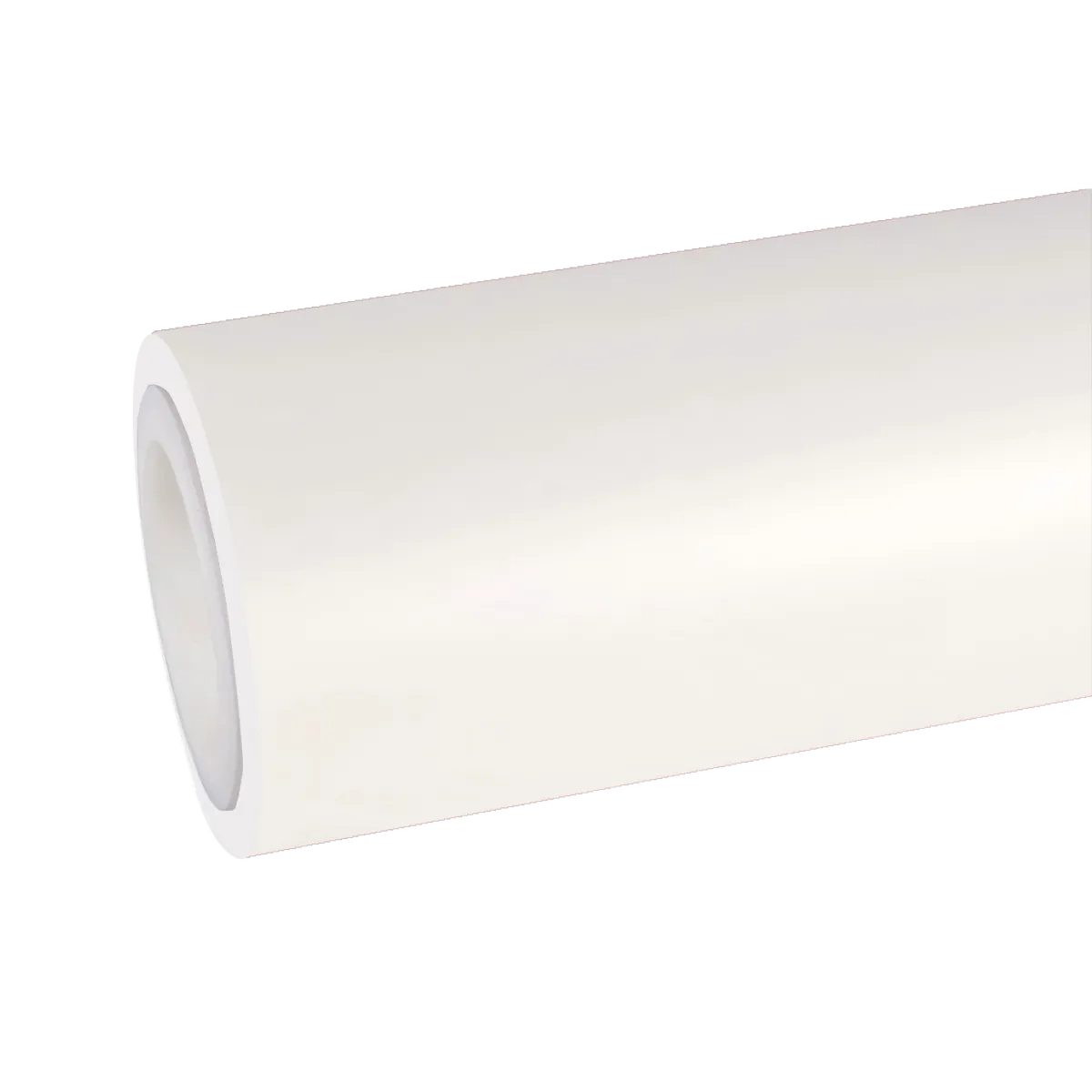
A white paint finish looks crisp and premium, but it also highlights swirl marks and uneven orange peel. Installing a matte PPF gives white panels a modern satin look, softens reflections, and adds impact resistance without a full repaint. Below is a data-driven guide to visual outcomes, application techniques, and maintenance—focused specifically on matte PPF on white cars.
Why Matte PPF Works Especially Well on White
- Low-glare satin aesthetics: Matte protection films are engineered to read in the low to mid gloss range at 60°—typically around 15–25 GU depending on the film—so reflections look soft and uniform on white panels.
- Defect camouflage: The satin topcoat diffuses light, helping to hide fine wash marring and blending minor texture differences across bumpers, doors, and hoods.
- Protection without color change: Quality aliphatic TPU PPF layers at roughly 200 µm (≈8 mil) add chip and abrasion resistance without yellowing when maintained correctly.
For buyers comparing finishes, explore your glossy options under gloss ppf and your satin/stealth options under matt ppf. If you want color with protection (for accents or full color-change), see our colored ppf. For broader styling ideas, our car wrap hub covers design planning and materials.
Field-Verified Metrics & Specs (for Satin/Matte PPF)
How we measured: values below summarize manufacturer technical data sheets and common lab methods (ISO 2813/ASTM D523 for gloss; ASTM D882 for tensile/elongation). Where ranges are shown, they reflect current premium-grade matte PPFs.
| Property | Typical Matte PPF Value | Notes |
|---|---|---|
| Total thickness | ~200 µm (≈8 mil) | Includes topcoat + TPU + adhesive; typical for premium films |
| 60° gloss (ISO 2813) | ≈15–25 GU (matte/satin) | Low glare satin on white; measured at 60° |
| Water contact angle | ≈105–110° | Hydrophobic topcoat for easy cleaning |
| Tensile strength (ASTM D882) | >15–20 MPa | Aliphatic TPU base layer |
| Elongation at break (ASTM D882) | >200–350% | Conforms over moderate curves/edges |
| Self-healing trigger | ~60 °C (140 °F) heat for swirl recovery | Warm water, sun, or heat gun (with care) |
| Service temp window | ≈ −40 °C to +100 °C | Covers real-world climates and engine-bay heat proximity |
Application Techniques That Matter on White Paint
- Panel prep for white: Clay, iron decon, and a light one-step polish to level any micro-marring. Degrease with isopropyl/water mix before templating.
- Template & stretch discipline: Matte/satin topcoats show over-stretch and finger marks more readily than gloss. Use minimal, even tension and pre-stretch only where required.
- Slip/tack fluids: Work clean with filtered water. For edges, switch to a controlled alcohol mix to lock down complex corners; re-squeegee high-stress edges after 10–15 minutes.
- Edge strategy for white: Whenever feasible, wrap edges to avoid a visible film line on white paint. Where that’s impractical, micro-edge and post-heat sparingly.
- Post-heat & heal: After install, a controlled pass with warm air (not exceeding manufacturer limits) helps settle adhesive, close lift-risk areas, and activate top-coat self-healing of minor squeegee marring.
Care & Maintenance (Matte Finish)
- Washing: Use pH-balanced shampoo and soft mitts. Avoid harsh degreasers. Rinse thoroughly to prevent spotting on white.
- Pressure washing safety: Keep the nozzle at least ~75 cm from the surface; avoid aggressive angles directly at edges; limit water temperature (≈50 °C max).
- Decontamination: For bugs/tar, apply citrus-based cleaners and rinse; avoid solvents not approved by the film maker.
- Top-coat boosters: Hydrophobic toppers or ceramic sprays designed for PPF can restore beading without adding unwanted gloss to a matte surface.
- Removal (if ever needed): Warm the film (≈40–50 °C) and pull at a low angle to minimize adhesive residue; use approved adhesive remover only as needed.
When to Choose Gloss vs. Matte on White
Gloss PPF preserves the “wet” OEM shine and maximizes depth—ideal for pearl whites and show-car gloss. Matte PPF delivers designer-grade satin with low glare and better camouflage of day-to-day wash marks. Many owners combine both: matte on large panels, gloss on headlights or piano-black trim. Compare finish options under gloss ppf vs. matt ppf, or explore accent colors via colored ppf.
Blog comments
0 Comments