

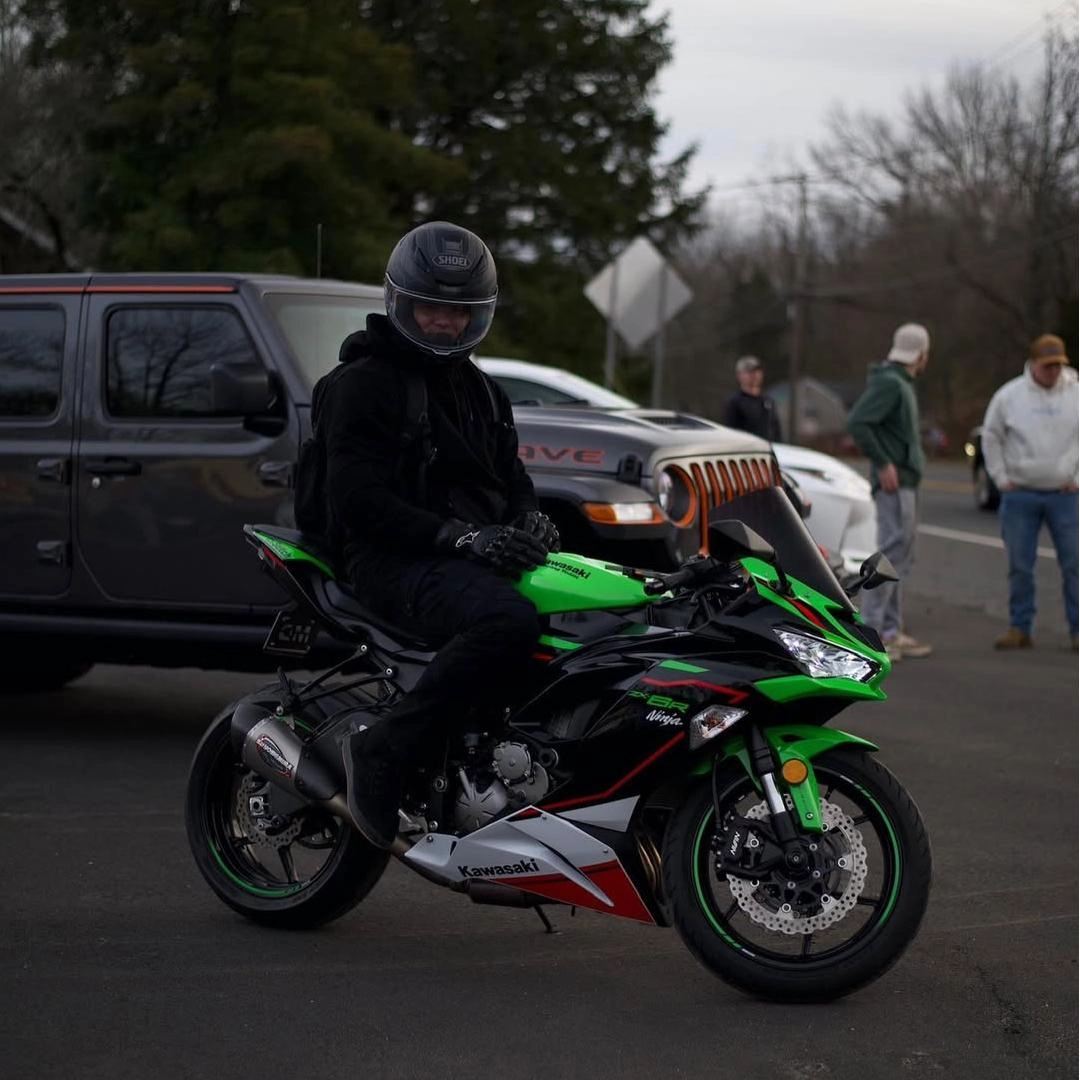
Why wrap a motorcycle?
- Style on demand: Swap colors, textures, or liveries seasonally.
- Paint protection: Quality film shields from UV, chips, and light abrasions.
- Resale friendly: Wraps are reversible when properly installed and removed.
- Cost control: Far less downtime and expense than a full respray.
Materials 101: Cast vs. Calendered, Thickness & Finishes
For complex shapes—think deep tank curves and compound fairings—cast films are the moto wrapper standard because they conform better and hold their shape. Typical wrap-film thickness is about 3.5–4.5 mil (including adhesive) for premium cast lines, offering a paint-like look without excessive bulk. Texture and finish choices range from high-gloss to satin/matte, forged carbon, and holographic effects. If you want a wet-look show bike, explore a gloss vinyl wrap; for stealthy or low-glare builds, a matte vinyl wrap is the go-to.
Adhesive & air-release
Modern wraps use pressure-activated acrylic adhesives with micro air-release channels. They allow initial “slide & reposition,” then set firmly as you squeegee and post-heat. This gives pros and advanced DIYers more working time around edges, seams, and emblems.
Prep Like a Pro: Surfaces, Disassembly & Degreasing
- Wash & decontaminate: Shampoo, rinse, and clay-bar painted parts to remove bonded grime.
- Degrease: Wipe with a clean, lint-free towel and an isopropyl alcohol/water mix (often 70/30). Avoid silicone detailers before wrapping.
- Remove obstacles: For cleaner edges and faster installs, pull easy parts: seats, side panels, mirrors, signals, tank badges (if taped), and fairing screws. Label hardware.
- Edge management: Blow out seams with compressed air; ensure every recess is dry and residue-free.
Workspace & Tools
Pick a dust-free, climate-controlled bay. The sweet spot for both film and substrate is roughly room temperature; in practice, an indoor 18–24 °C (65–75 °F) environment helps films remain pliable and adhesives stay predictable. You’ll want: felt-edge squeegees, heat gun, IR thermometer, knifeless tape, wrap gloves, magnets/tape for tacking, and quality cutting blades.
Techniques by Panel: Tanks, Fairings, Fenders & Trim
Fuel tanks (the hardest part)
Most tanks are compound curves. Two popular methods:
- Single-sheet method: Pre-stretch warmed film gently, bridge across the crown, then work to the sides in small strokes. Avoid over-stretching the edges; anchor frequently and “relax” film with heat.
- Two-piece seam: Hide a seam under the tank’s lowest edge line. Use knifeless tape for a factory-like split.
Fairings & side panels
Fairings often have vents and recessed contours. Lay knifeless tape to trace those features, apply film with minimal tension, work recesses with controlled heat, then pull the tape for crisp cut lines. Post-heat edges and deep channels to lock in memory.
Fenders & small trim
Because these parts are highly exposed, leave a generous wrap-under (6–10 mm) on edges. Post-heat thoroughly so wash and wind won’t lift the film.
Heat Management & Post-Heating (Critical)
Heat does three jobs: softens film for stretching, relaxes tension after you move it, and “sets” the film so it won’t creep back. A practical cadence for a moto wrapper is:
- Forming heat: warm to ~40–55 °C to stretch and conform complex curves without over-thinning.
- Ambient control: keep the bay near room temperature to avoid brittle film (too cold) or gummy adhesive (too hot).
- Post-heat: in deep recesses and edges, bring film to manufacturer-specified targets (often around 90–95 °C for many cast films; some lines recommend ~93–107 °C / 200–225 °F). Always remove any protective cap layers before post-heating and verify temperature with an IR thermometer.
Seams, Overlaps & Edge Sealing
On motorcycles, tasteful seams beat overstretch every time. Keep overlaps small (3–6 mm), run them with the airflow when possible, and use edge-seal tape only where necessary (e.g., high-pressure leading edges). Smooth with firm, even squeegee strokes.
Time, Cost & DIY vs. Pro
A full street bike can take 6–12 hours of skilled labor depending on disassembly level, film choice, and graphics. DIYers can do it in a weekend with careful planning. If you’re new, start with side panels and fenders before tackling the tank. A seasoned moto wrapper prices jobs by model complexity, finish type (forged carbon and chrome-like films are slower), and requested design work (stripes, number plates, or sponsor layouts).
Care & Maintenance
- Cure time: Avoid aggressive washing for 48–72 hours after install.
- Hand-wash preferred: Use pH-neutral shampoo; keep pressure-washer tips at least 1 m away from edges if you must use one.
- Protection: Consider clear PPF patches on high-strike zones (leading fender, chin fairing) to extend wrap life.
- Storage: If the bike is parked outdoors, regular cleaning and a UV-protectant detailer help retain color depth.
Choose Your Finish
Ready to plan your build? Browse our full vinyl wrap catalog, compare the mirror-like pop of a gloss vinyl wrap with the stealth character of a matte vinyl wrap, and pick the texture that matches your riding style. With careful prep, smart heat management, and proper post-heat, your motorcycle wrap will look paint-deep and last season after season.
Blog comments
0 Comments