

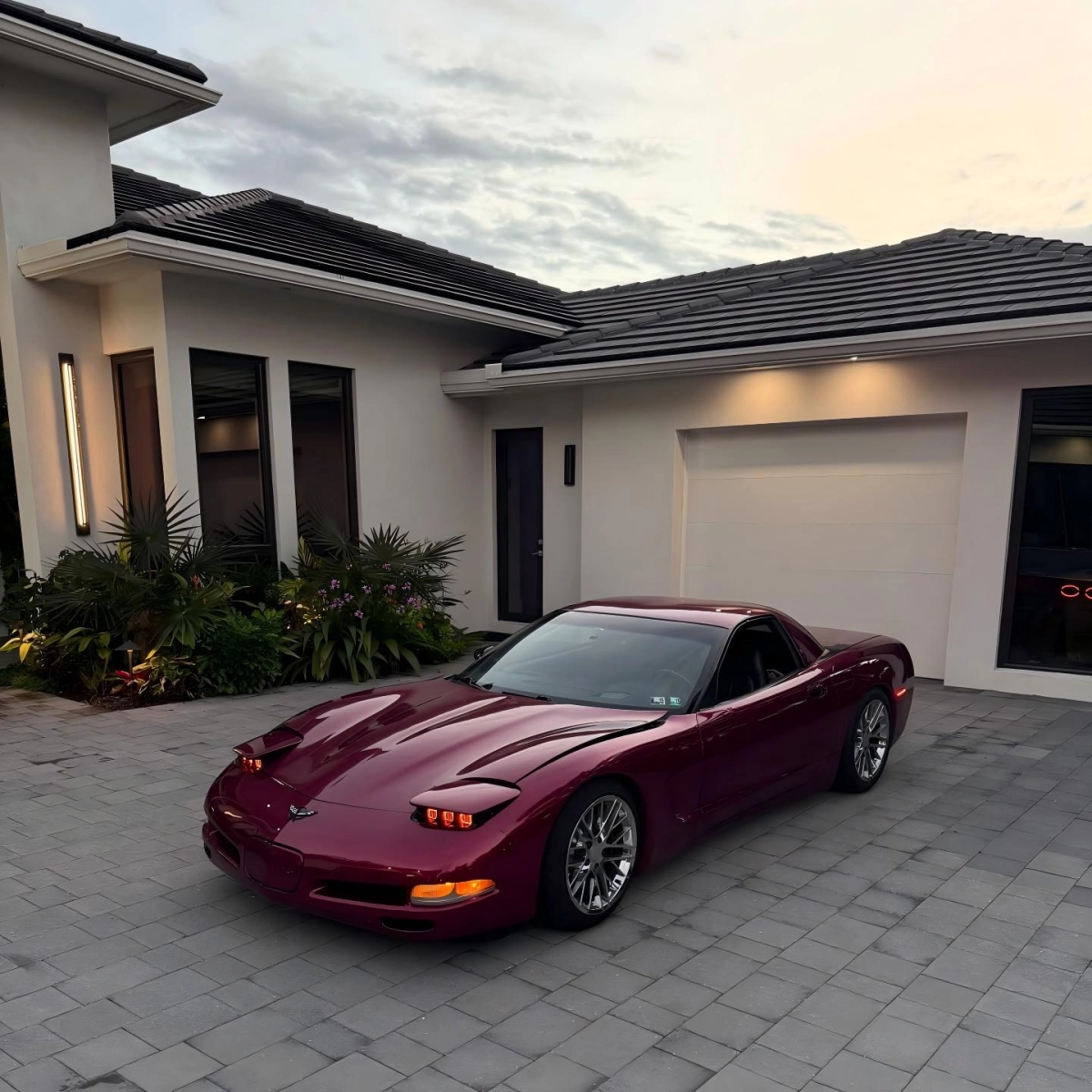
PET vs PVC Car Wraps: Why PET Vinyl Is Becoming the Preferred Choice for Vehicle Customization
If you’re researching pet car wrap options in 2025, you’ve likely noticed a surge of ultra-gloss “crystal” films alongside traditional cast-PVC wrap films. This guide compares PET and PVC by chemistry, finish quality, durability, and installability—so you can choose the right film for your vehicle and budget.
Ready to browse colors? Start with our car wrap catalog or jump straight to our PET car wrap collection. For mirror-like finishes, see our gloss vinyl wrap range.
Quick Summary: PET vs PVC at a Glance
- Finish quality (gloss & clarity): PET-faced or PET-liner “super gloss” films are favored for extremely smooth, paint-like reflections with minimal orange peel—great for show finishes and bright solid colors.
- 3D conformability: Premium cast PVC remains the benchmark for deep recesses, channels, and complex 3D curves (door cups, bumpers, spoilers).
- Chemistry & sustainability: PET is chlorine-free and widely recycled (#1 plastic); PVC relies on plasticizers to stay flexible and is subject to phthalate restrictions in many regions.
- Use cases: Choose PET for peak gloss and surface clarity; choose cast PVC when the bodywork demands maximum stretch and contouring.
Why PET Is Gaining Ground in 2025
1) Glassy, “paint-like” gloss with low orange peel
Many modern “super gloss” systems use PET face films or PET release liners to yield an extremely smooth casting surface, producing higher distinctness-of-image (DOI) and clearer reflections than typical gloss PVC. The result is that coveted, wet-paint look enthusiasts want for solid colors and show builds.
2) Cleaner chemistry & recyclability
PET contains no BPA or phthalates and is fully recyclable in many markets, while PVC products typically depend on plasticizers for flexibility. Regulatory bodies in the EU continue to restrict several phthalates across product categories, which is one reason some buyers now prefer PET-based systems for exterior cosmetics.
3) Dimensional stability
Because PET films don’t rely on migratory plasticizers for flexibility, they’re less prone to plasticizer-related changes over time. In practice, that can help reduce shrink-back appearance on large, flat panels when installed within spec and cared for properly.
Where PVC Still Wins
Premium cast PVC wrap films (e.g., well-known 2080/SW900 families) deliver best-in-class stretch and conformability around tight 3D features. For deep channels, sharp compound curves, or heavy disassembly work, cast PVC often installs faster with fewer relief cuts and less risk of lifting—especially on older substrates or highly complex bumpers.
- Deep recesses: Cast PVC can often be laid into channels with heat and tension control; PET systems may require inlays or seams to avoid overstressing.
- Edge retention: On aggressive curves, cast PVC’s lower memory and higher elongation make post-heating and edge sealing more predictable.
Cost, Durability & Care
Cost. PET super-gloss films and premium cast PVC are both positioned as high-end products; pricing overlaps and varies by brand/series. Expect premiums for unique colors, specialty finishes, and films with protective cap sheets or self-healing topcoats.
Durability. Longevity depends on brand, film construction (face film + topcoat), climate/UV load, and care. PET lines marketed for “paint-like” gloss may prioritize clarity over extreme stretch; cast PVC lines often provide well-documented outdoor durability windows when installed to spec.
Care. Hand-wash with pH-neutral shampoo, avoid harsh solvents, and use wrap-safe sealants. Follow manufacturer guidelines for post-heat temperatures, and re-inspect high-stress edges after the first 48 hours.
Choosing Between PET and PVC: A Practical Checklist
- Body complexity: Lots of deep channels or sharp curves? Lean cast PVC. Mostly flat and gently curved panels? PET can shine—literally.
- Finish priority: Want the highest DOI, mirror-like reflections, and minimal orange peel? Shortlist PET or PET-liner “super gloss.”
- Climate & usage: Harsh UV and daily driving favor proven series with strong outdoor durability data.
- Shop capability: PET often asks for precise heat management and tighter technique; verify your installer’s experience with your chosen film series.
- Warranty & documentation: Compare written film and workmanship warranties, including any notes on deep recess applications or panel inlays.
FAQ
Is a PET car wrap harder to install? PET can feel stiffer and less stretchy than cast PVC. On complex 3D areas, your installer may choose inlays or seams to preserve finish quality.
Will PET always look glossier? Not always—but PET face films and PET-liner gloss systems are popular because they often deliver very high DOI and “wet paint” depth when correctly installed and maintained.
What should I do next? Pick a finish family and color in our PET car wrap or browse all car wrap categories. If you’re chasing a mirror-like look, compare options in gloss vinyl wrap and request a quote from a pro installer.
Blog comments
0 Comments