

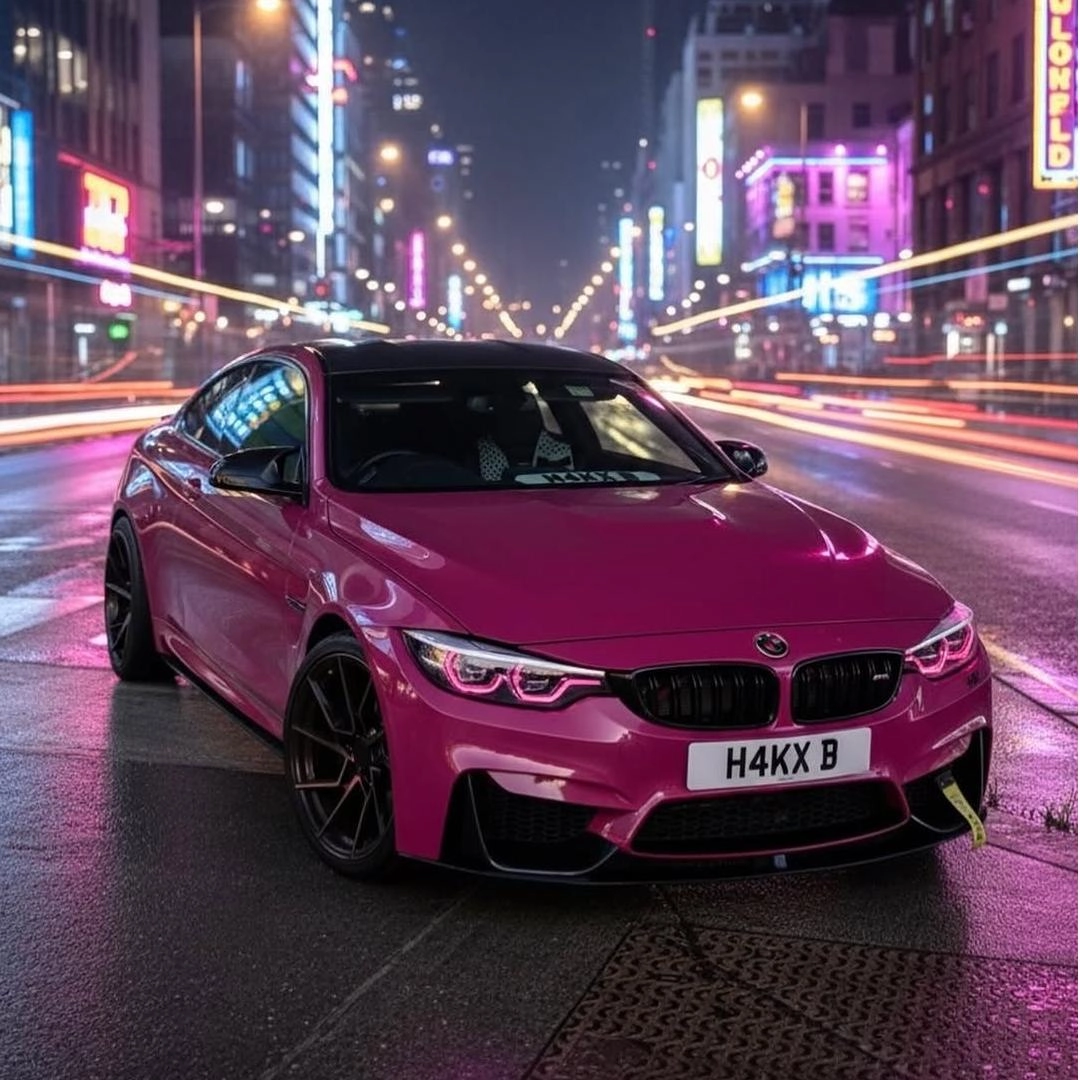
Thinking about a car wrap? Whether you want a color change, a special finish, or brand graphics, modern wrap films deliver OEM-like results with the flexibility to switch styles down the road. This guide explains the key material types, how professional installation works, realistic cost ranges for 2025, and how to maintain your wrap so it looks great for years.
What is a Car Wrap?
A car wrap is a large, conformable film applied over painted panels. It can cover a full vehicle or select areas (hood, roof, mirrors) for accents. Unlike paint, wraps are removable and protect the underlying finish from UV, light abrasion, and road grime. Popular aesthetics include high-gloss, matte, satin, metallic, color-shift (chameleon), and textured looks such as carbon or brushed metal.
Materials: Cast vs. Calendared Vinyl (and How TPU PPF Fits In)
The two main PVC vinyl constructions are cast and calendared. Cast vinyl is thinner and highly conformable, ideal for complex curves and deep recesses; it usually offers longer outdoor durability. Calendared vinyl is thicker, more budget-friendly, and best on flatter surfaces. For impact and chip resistance, paint protection film (PPF) uses TPU rather than PVC and is typically thicker; “color PPF” combines PPF’s protection with a color or finish change.
- Cast PVC: Premium conformability and long service life; best for full color-change wraps.
- Calendared PVC: Great value on simpler shapes or short-term branding campaigns.
- TPU PPF / Color PPF: 6–10 mil typical thickness for protection; can be clear or colored depending on product line.
Use your style goals to choose finish: explore glossy color options via our car wrap effects catalog, compare deep-satin looks in our car wrap collections, or plan a full custom livery with our in-house design support.
Installation: What Professionals Do
A quality wrap starts with a clean, decontaminated surface and panel prep. Installers may remove trim, badges, mirrors, handles, and sometimes bumpers for clean edges. Films are aligned, squeegeed, heated to conform, and edges are wrapped, knifeless-taped, or post-heated to manufacturer specs. Typical timelines:
- Partial wrap / roof or hood: a few hours to one day.
- Full color change: 1.5–3 days depending on complexity and disassembly.
After delivery, most manufacturers recommend avoiding washing for about 72 hours to allow adhesives to stabilize and edges to set. Your installer will provide film-specific care instructions.
How Much Does a Car Wrap Cost in 2025?
Pricing varies by vehicle size, complexity, film type, and installer experience. As a general planning range for full wraps in the U.S. market:
- Compact / small sedan: roughly $2,000–$3,000 for standard color-change films.
- Midsize sedans & SUVs: roughly $2,500–$5,000 depending on film and teardown.
- Premium effects (chrome, complex color-shift): can reach $6,000–$8,000+ due to harder installation and higher film cost.
Partial wraps and accent packages (roof, hood, mirrors, stripes) can start in the low hundreds, while door-jamb wrapping, custom printed graphics, ceramic top-coats, or paint-correction add to the total. If you’re deciding between color-change vinyl and protective films, our specialists can help you compare options through our car wrap consultation workflow.
Expected Lifespan & Warranty
Lifespan depends on film construction, climate, storage, and care. In typical conditions, premium cast vinyl color-change wraps are often used for ~5–7 years, with shorter terms for budget calendared films. TPU paint protection films commonly advertise multi-year warranties (product-specific) and can outlast many vinyl wraps if cared for properly. Always review the installer’s workmanship warranty alongside the film maker’s product terms.
Maintenance: Keep Your Wrap Looking New
Proper maintenance is straightforward:
- Wait to wash: Avoid washing for ~72 hours after installation.
- Hand wash preferred: Use pH-neutral shampoo and soft mitts; avoid abrasive brushes.
- Touchless, if automatic: If you must use an automatic wash, choose touchless to protect edges and finishes.
- Spot-clean contaminants: Soften bugs, sap, or bird droppings with warm, soapy water before gentle removal.
- Protect: Consider approved sealants compatible with vinyl/PPF; avoid petroleum distillates or harsh solvents unless the film maker specifically allows them.
- Storage: Whenever possible, garage or shade-park to reduce UV load and extend life.
Vinyl Wrap vs. Color PPF: Which Should You Choose?
If your priority is style flexibility and cost-efficiency, a vinyl car wrap offers the widest palette and finish options. If your priority is impact and chip resistance with a color change, color PPF is thicker and more protective—often at a higher price point. Many drivers pair a vinyl color change with clear PPF on high-impact zones (front bumper, hood, fenders, mirrors) for a best-of-both solution.
Next Steps
Ready to plan your project? Browse finishes in our glossy lineup, compare matte and satin collections, or explore specialty effects. Then book a design and measurement session so we can recommend film, coverage, and care tailored to your driving environment—and deliver a clean, long-lasting result.
Explore finishes and request a quote through our curated collections: car wrap
Blog comments
0 Comments