

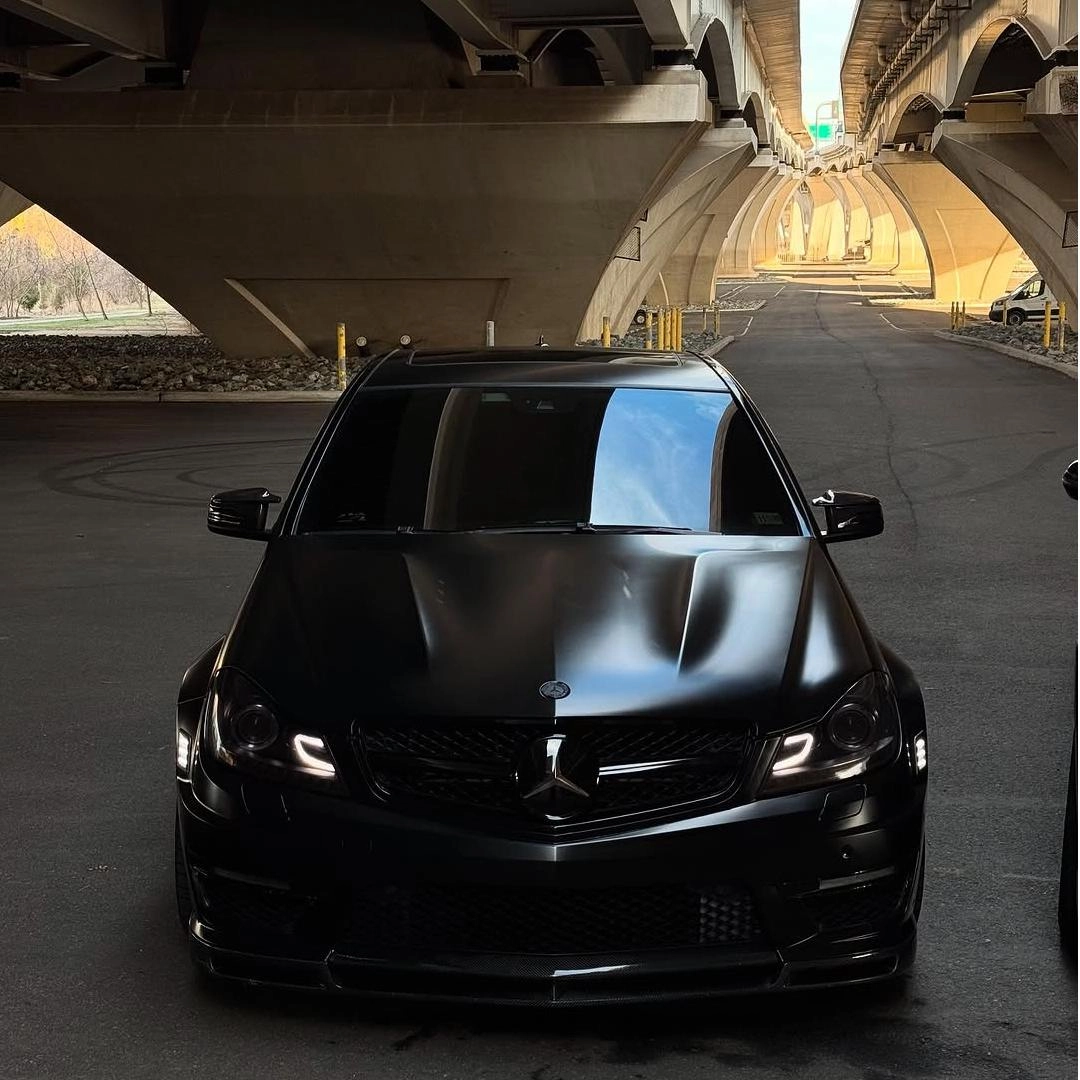
Satin black wraps deliver that coveted “stealth” look—deeper and more refined than matte, less reflective than gloss, and versatile across sedans, SUVs, trucks, and exotics. This guide explains what satin black films are, how to plan a professional-grade installation, and exactly how to care for the finish so it lasts. We also link to key resources and products on ALUKO to help you choose the right car wrap solution for your vehicle.
Why Satin Black?
Satin lives between gloss and matte: it mutes reflections to hide minor surface inconsistencies while keeping richer color depth than a flat finish. Beyond looks, quality cast films (from leading brands) provide durable color change and paint protection that, when installed and maintained correctly, commonly lasts around five to seven years in real-world use. Recent industry guidance pegs professionally installed color-change wraps at roughly five–seven years on average, depending on climate, driving, and care.
The surge in wraps isn’t just about style—it’s also practical. Compared with a respray, wraps offer faster turnaround, reversibility, and a wide finish palette. Mainstream auto media note that wraps frequently cost less than custom paint and can be removed later if you want to sell or switch colors. Typical full-vehicle pricing varies by size/complexity and finish.
Know Your Film: PVC Color-Change vs. TPU “Ceramic” Options
Most satin black “color-change” wraps use cast PVC engineered to conform over complex curves. Some premium “ceramic” or TPU-hybrid options emphasize self-healing topcoats and enhanced chemical/UV resistance—closer to paint-protection behavior than standard PVC. If maximum resilience is your priority, TPU-based films generally resist chemicals and micro-marring better than PVC (with a cost tradeoff).
Shopping on ALUKO? Start with our curated category pages: black vinyl wrap, satin car wrap, and our hero finish, satin black wrap. Each product page details film construction, thickness, and recommended use cases.
Pre-Installation Checklist
- Surface preparation: Decontaminate thoroughly (wash, clay, degrease). If panels were repainted, allow adequate cure time; leading wrap manufacturers advise waiting at least a week and ensuring the paint is fully hardened to avoid solvent outgassing bubbles.
- Temperature control: Create a clean, dust-controlled bay. For cast wrap films, an install environment around 65–75°F (18–24°C) helps balancing pliability and adhesive tack.
- Material staging: Use the same production lot when possible for perfect color match across panels (common best practice).
Installation Basics (Pro Tips)
Panel-by-panel workflow. Dry-fit first, then apply with controlled squeegee strokes, keeping even tension. For complex curves, moderate heat improves conformability; with premium cast films, manufacturers suggest 40–55°C during forming on tight curves.
Post-heating critical areas. After the film is laid, post-heat recessed channels, convex/concave features, and stretched sections to lock memory. Guidance for popular satin wrap lines recommends post-heating these features to about 90–95°C.
Edge integrity. Clean edges meticulously and ensure full adhesive contact. Avoid overstretching (which thins the film and can cause premature edge lift). Maintain steady shop temperatures; some bulletins warn that performance and repositionability drop as ambient/surface temps exceed mid-20s °C.
When you’re ready to choose materials, compare finish families on ALUKO: satin car wrap for that muted sheen, or explore our broader black vinyl wrap assortment if you’re deciding between matte, satin, and gloss blacks.
Care & Maintenance (Keep That Stealth Finish Fresh)
- Hand wash is best. If you must pressure wash, follow conservative limits: keep pressure under ~2000 psi, water below ~80°C (180°F), hold the wand at a shallow angle, and stay back from panel edges to prevent lifting.
- Use pH-neutral shampoos. Avoid harsh solvents and petroleum distillates; wipe off fuel/diesel immediately to protect the film and adhesive system.
- Sun & storage. Parking under cover or indoors helps reduce UV and heat exposure—extending color stability and gloss/sheen uniformity over time.
Expected Lifespan
With quality film, correct installation, and proper maintenance, satin black wraps regularly deliver multi-year service. A realistic planning range is five–seven years, with harsher climates and high UV exposure skewing toward the lower end.
When to Choose Satin Black vs Other Finishes
Pick satin black if you want a premium, low-glare aesthetic that hides light swirls better than gloss and looks richer than matte in most lighting. For the broadest set of black options, browse ALUKO’s black vinyl wrap hub; if you’re committed to satin, head straight to satin car wrap or our dedicated satin black wrap pages to compare textures and topcoat technologies.
Frequently Asked Questions
Q: Can I wrap a freshly repainted panel?
A: Yes—but only after full cure. Many manufacturers recommend waiting at least one week (verify with your paint system) to prevent outgassing under the film.
Q: What install temperature should I target?
A: Aim for an install bay near 65–75°F (18–24°C) and post-heat high-stretch zones to ~90–95°C, per major wrap bulletins.
Q: How do I wash a satin wrap?
A: Hand wash using pH-neutral soap and microfiber. If pressure washing is unavoidable, keep pressure and temperature in check and avoid blasting edges.
Shop the finish featured in this guide: satin black wrap • Explore all black vinyl wrap options • Learn more about satin car wrap families • Or start with a broad car wrap overview.
Blog comments
0 Comments