

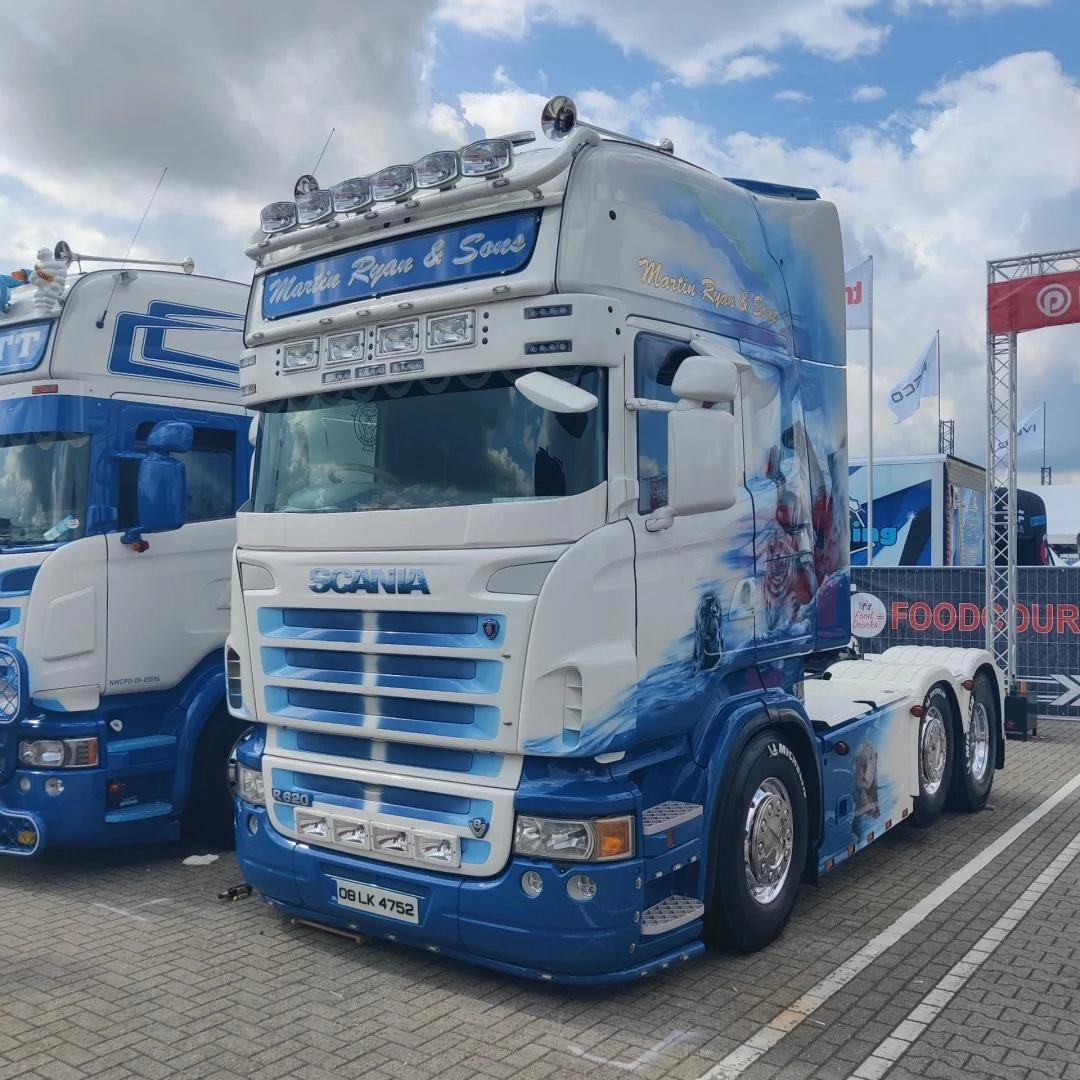
Whether you run one pickup or a regional fleet, a truck wrap is one of the fastest ways to refresh your look, protect paint, and put your brand in motion. Below is a practical, data-backed guide covering wrap types, business benefits, ballpark costs, installation flow, and care—plus quick links to ALUKOVINYL resources if you’re comparing finishes or planning a larger rollout.
What is a Truck Wrap?
A truck wrap is a removable vinyl film applied over OEM paint. It can be a solid color change, a printed commercial design, or a hybrid (e.g., color change body + branded door panels). Wraps are reversible, which helps preserve resale value and simplifies seasonal or promotional updates compared with paint.
Common Truck Wrap Types
- Full color-change wraps: Completely change the truck’s color with a gloss, matte, satin, metallic, or color-shift finish. See finish options like Glossy Car Wrap and Matte Vinyl Wraps.
- Printed commercial/fleet wraps: Full-coverage branding (logos, product images, calls-to-action) for maximum impressions and unified fleet identity.
- Partial wraps & decals: High-impact coverage of priority zones (cab doors, bed sides, tailgate) at lower cost than a full wrap.
- Protection layers (PPF): Paint Protection Film (PPF) is typically clear or matte to absorb chips and abrasion; it can complement a vinyl wrap on high-wear zones.
Why Trucks Choose Wraps: Benefits & ROI
- Mobile reach at low CPM: Industry sources commonly cite tens of thousands of daily impressions per wrapped vehicle, delivering one of the lowest costs per thousand impressions (CPM) in out-of-home media. Results vary by route density and mileage, but the effect is consistent: wraps turn every mile into awareness and lead-ins to search/social. (See sources below.)
- Brand control & agility: Update designs with promos or seasonal variants without the permanence, shop time, and overspray risk of paint.
- Paint preservation: Wrap films shield OEM clearcoat from UV and light abrasion, helping maintain finish integrity.
- Resale flexibility: Remove the film to reveal protected paint when de-fleeting or selling a vehicle.
New to materials? Browse our car wrap hub to compare films by finish and application.
What Does a Truck Wrap Cost?
Pricing depends on truck size (midsize pickup vs. HD or box truck), design complexity (solid color vs. full print), surface condition, and installer rates in your region. Recent market guides place full wraps for pickups SUVs in the $3,500–$5,000 range and larger trucks/box trucks in the $4,000–$7,000+ range, with partial wraps and spot graphics costing less. Material choice and finish (e.g., chrome or specialty textures) can move that number up. (See sources below.)
Installation—What to Expect
- Assessment & measurement: Your installer inspects paint (chips, clearcoat issues, repaints) and confirms panel coverage.
- Surface prep: Thorough wash/decontamination and panel wipe with isopropyl alcohol; remove badges/trim as needed.
- Paneling & alignment: Film is pre-cut or bulk-laid, then positioned; seams are planned away from high-wear edges.
- Application: Film is squeegeed from the center out; heat helps conform over contours and into channels. Edges are sealed.
- Cure window: Most manufacturers advise waiting ~72 hours before washing so adhesives fully set and edges stabilize. (See sources.)
Maintenance & Care (Fleet-Friendly)
- Hand-wash preferred: Use a soft wash mitt and pH-neutral cleaner; rinse first to float off grit.
- Avoid brushes & harsh chemicals: Brush washes and strong solvents can dull or lift edges. If you must use a car wash, choose touchless and stand back from high-pressure nozzles.
- Dry gently: Microfiber towels; avoid dragging dirt across the surface.
- Edge vigilance: Inspect and re-seal lifted edges early to prevent moisture ingress and contamination.
For finish-specific tips (e.g., gloss vs. matte), see ALUKOVINYL’s how-to articles and product pages like Glossy Car Wrap and Matte Vinyl Wraps.
Compliance Notes
Do not apply opaque vinyl over the windshield or driver/passenger front windows, and never cover required lighting or safety devices. For commercial units, ensure any USDOT markings and mandatory reflectors remain visible and legible. Local laws vary; your wrap shop can advise on state specifics, but the federal baseline is clear about avoiding vision-reducing matter on critical glazing. (See sources.)
Choosing Film & Finish
Pick the finish to match brand tone and upkeep tolerance. Gloss pops in photos and is easy to clean; matte conveys a modern, stealth look but needs matte-safe cleaners; metallic/specialty finishes amplify visual texture for hero vehicles or brand flagships. For high-impact zones (front bumpers, rocker panels), consider combining a color wrap with clear or matte PPF for durability.
Quick Planning Checklist
- Define routes and miles driven—this informs expected impressions and ROI modeling.
- Confirm panel coverage (full vs. partial) and whether you need reflective safety markings on commercial trucks.
- Schedule install when trucks can be down for 1–2 days, plus a 72-hour no-wash window.
- Set a cleaning SOP for drivers—hand wash, neutral pH, microfiber dry.
Explore finishes: Start with our car wrap hub, then compare Glossy Car Wrap and Matte Vinyl Wraps for your truck program.
Blog comments
0 Comments