

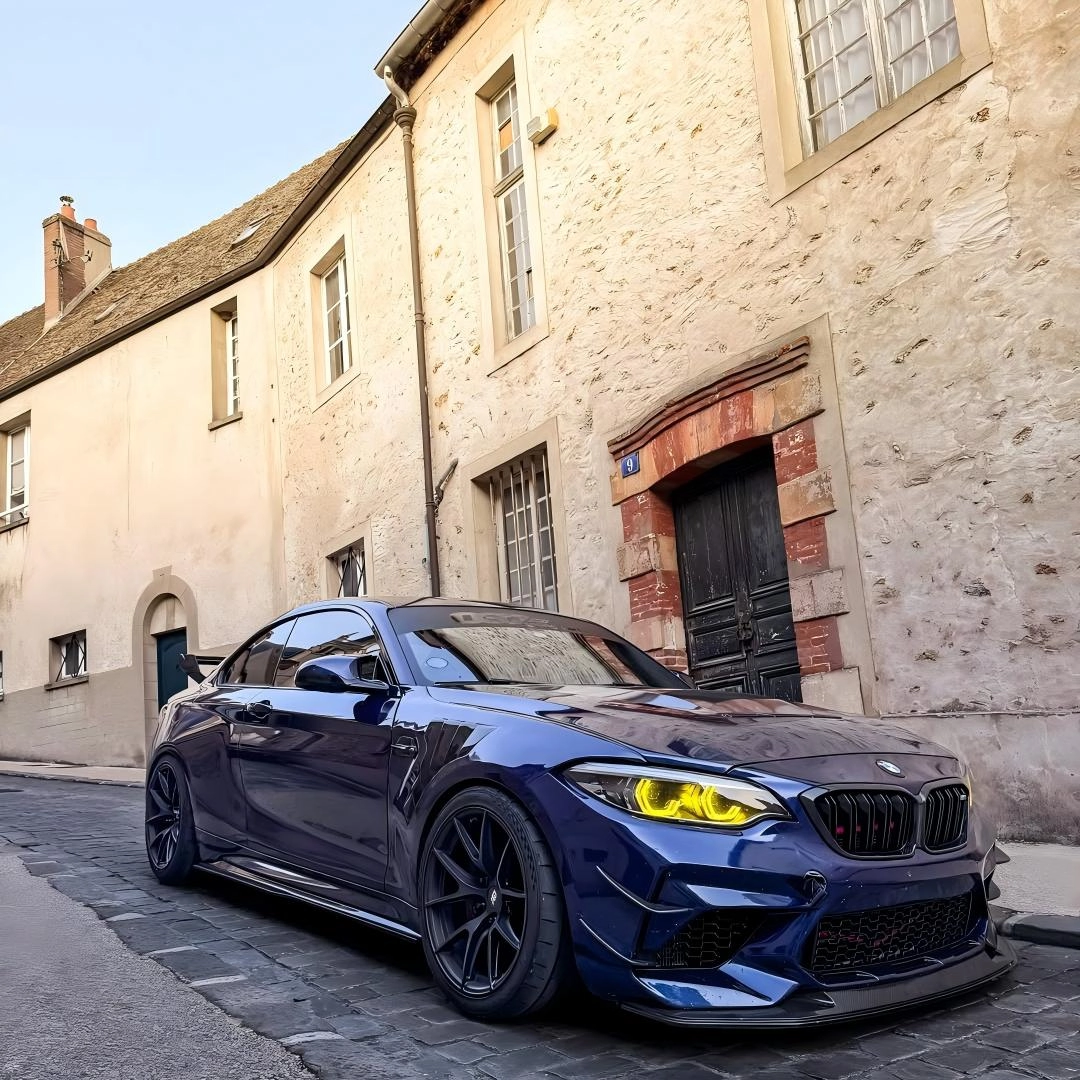
Core keyword: car protective film | car wrap | tpu wrap | clear ppf | colored ppf
What “car protective film” actually is (and why the material matters)
Modern car protective film—often called PPF or “clear bra”—is a transparent, self-healing topcoat laminated over an aliphatic thermoplastic polyurethane (TPU) base. The aliphatic chemistry is crucial: it delivers optical clarity and resists UV-driven yellowing far better than aromatic TPU, which is why reputable brands build premium PPF around aliphatic TPU.
Because clarity is part of the value, optical properties are typically validated with ASTM D1003 (haze & luminous transmittance), while long-term weathering is screened with fluorescent UV exposure per ASTM G154. Impact durability against road debris is commonly benchmarked with multi-impact stone-chip methods such as ISO 20567-1. These aren’t marketing slogans—they’re standard test methods seen across the film and coatings industry.
Quantified ROI: when PPF pays for itself
Two numbers frame the decision. First, installation cost: reputable U.S. installers in 2025 typically quote about $2,000–$3,000 for a full-front package and $7,500–$12,000+ for a full body wrap (vehicle and region dependent).
Second, the repaint alternative: a quality whole-car repaint can range from $1,000 for bare-bones work to $10,000+ for high-quality jobs, with mid-tier sedans averaging around $4,000. Even single-panel fixes (hoods, bumpers) plus blending carry real labor costs, which vary widely by market.
Simple math: if your daily driving includes frequent highway miles or track days where chips are common, preventing one multi-panel repaint (or even repeated bumper repairs) over the film’s 8–10-year warranty horizon can make a front-end PPF package cost-neutral—or an outright saver—while preserving original paint and resale appeal.
Clear vs. colored PPF—and where ALUKO fits
Clear PPF is still the default for stealth protection and maximum gloss retention. ALUKO’s clear lineup is offered in multiple thickness classes (7.5, 8.5, and 10 mil) so you can match protection level to your use case (e.g., 10 mil for track, 7.5–8.5 mil for daily drivers).
Colored PPF (sometimes called a tpu wrap or colored ppf) overlays style onto protection. ALUKO’s portfolio spans 350+ colorways with hydrophobic, self-healing topcoats—letting you swap a factory paint tone for a designer finish while adding impact and UV defense.
Brand comparison (2025): specs and differentiators
The table below compiles publicly listed specs from major brands. “Nominal thickness” reflects clear PPF flagships; exact values can vary by product tier.
| Brand | Flagship Clear PPF | Nominal Thickness | Warranty | Topcoat / Features | Finish Options | Notes & Sources |
|---|---|---|---|---|---|---|
| ALUKO | Clear PPF (multiple classes) | 7.5 / 8.5 / 10 mil | Varies by product & region | Self-healing, hydrophobic | Gloss (clear); extensive colored ppf | Specs from ALUKO category pages. |
| XPEL | ULTIMATE PLUS | ~8 mil (192 µm total caliper) | 10-year limited | Self-healing, stain-resistant | Gloss + Matte variants | Official product page & TDS. |
| 3M | PPF Series 100 (Gloss) | ~7.5 mil (typical) | 10-year (US/CA) | Self-healing adhesive system | Gloss (with matte options in broader line) | 3M TDS (Apr 2025). |
| SunTek | PPF Ultra | Not publicly specified | 10-year | Self-healing, HydroResist topcoat | Gloss + Matte | SunTek Ultra overview. |
| STEK | DYNOshield | Not publicly specified | 10-year | Self-healing, hydrophobic | Gloss + fashion/colored series | STEK product overview. |
Why thickness isn’t everything: high-quality aliphatic TPU chemistry and a durable, self-healing clearcoat often determine yellowing resistance and scratch recovery more than raw mils. Covestro’s materials literature highlights aliphatic TPU’s clarity and UV stability as the foundation for premium PPF.
How quality is measured: tests that actually matter
- Optical clarity: ASTM D1003 quantifies haze (%). Low haze preserves the OEM paint’s depth. Ask shops for haze benchmarks or third-party data when comparing films.
- UV/weathering: ASTM G154 (fluorescent UV) is a common accelerated protocol for non-metals. Xenon-arc ASTM G155 is also used for sunlight simulation.
- Stone-chip durability: ISO 20567-1 is the multi-impact benchmark widely referenced by OEM coatings labs; you may also see gravelometer tests based on SAE J400.
When an installer or brand can show you data tied to these standards, you’re not just buying marketing—you’re buying measured performance.
Clear, practical guidance for buyers
- Match coverage to risk: Highway commuters and track drivers benefit most from a full-front or high-impact kit (bumper, hood, fenders, mirrors, rocker panels). The cost bands above are a good 2025 reference point.
- Verify film pedigree: Look for aliphatic TPU base, self-healing topcoat, and a written warranty (10-year is common among top brands).
- Ask about patterns & edges: Pre-cut databases (e.g., DAP/Pattern Centers) reduce cutting on paint and improve edge wraps and coverage consistency.
- Evaluate total cost of ownership: Compare a quality full-front PPF vs. one stone-chip repaint cycle in your market; labor alone can swing quotes since rates vary dramatically by city.
Is PPF worth it for your car?
PPF shines when you want to preserve factory paint quality, drive in chip-prone environments, or plan to keep the vehicle long enough to leverage an 8–10-year warranty window. If you want a color change and protection, ALUKO’s colored ppf lines combine both; if your goal is invisible armor, choose clear ppf in the thickness that fits your use case. For style-first projects or temporary branding, a traditional car wrap (PVC or specialty films) may be the more economical path, but it won’t match aliphatic TPU’s self-healing and chip resistance.
Sources (selected)
Material science & durability: Covestro on PPF-grade aliphatic TPU; ASTM D1003 (haze), ASTM G154 (UV exposure), ISO 20567-1 (stone-chip).
Brand specs: XPEL ULTIMATE PLUS; 3M PPF Series 100 (TDS, Apr 2025); SunTek PPF Ultra; STEK DYNOshield.
Market costs & labor context: 2025 PPF pricing benchmarks; KBB paint job cost guide; AAA labor rate ranges.
Blog comments
0 Comments