

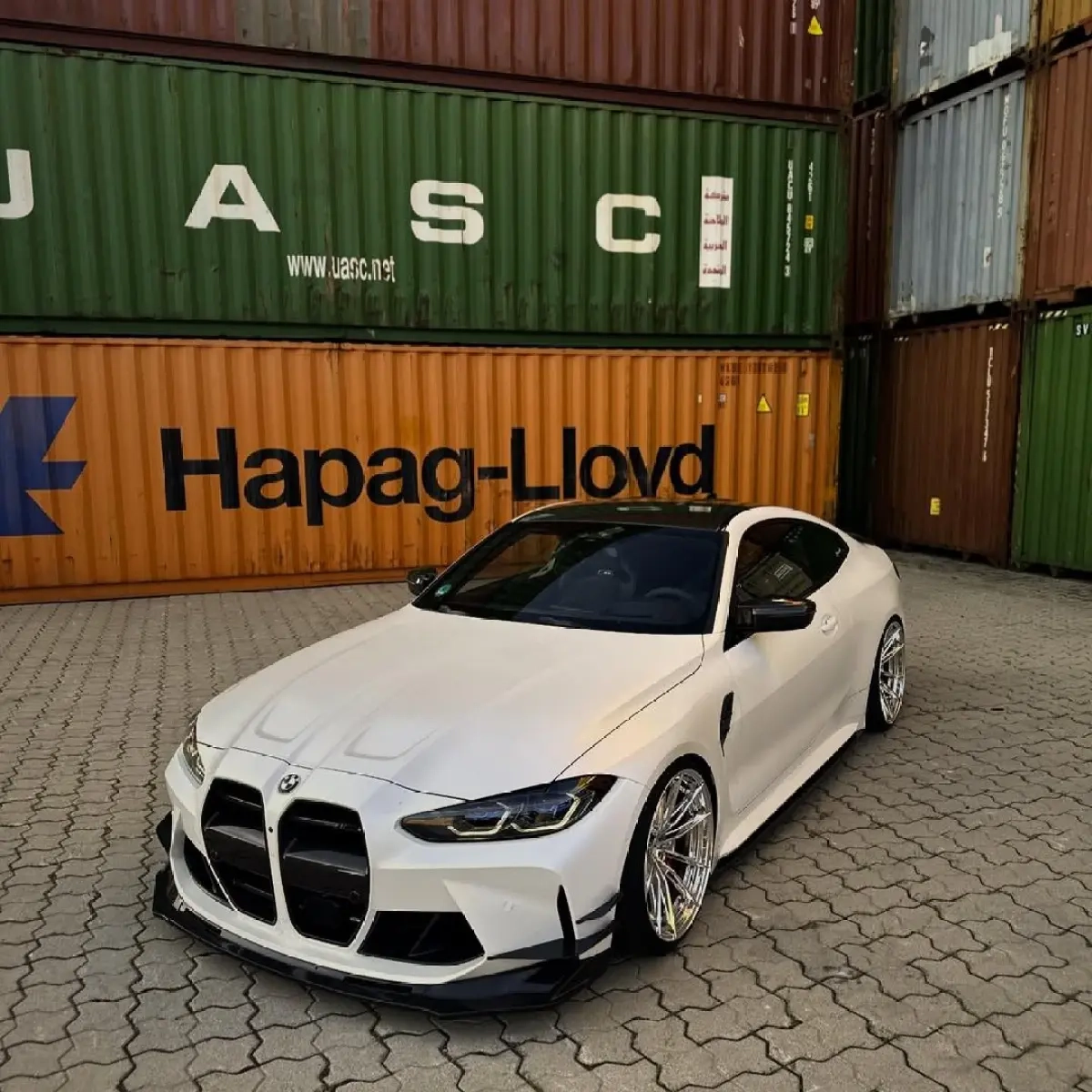
What “before & after” really looks like on a daily driver
If you’ve wondered what ppf on car paint looks like after years, the answer is remarkably consistent across premium films: fewer rock chips on the front clip, far less wash-induced marring, and noticeably higher gloss versus bare paint. Owners typically report that the hood, bumper, headlights, and mirror caps stay clearer and easier to wash because the film absorbs abrasion that would otherwise degrade the clearcoat. With a quality install and normal upkeep, you can expect the finish to “age” far more slowly than unprotected paint, particularly in high-impact zones.
Year-by-year expectations (typical patterns)
- 0–12 months: After curing, PPF is optically clear with a factory-like gloss. Light swirls from washing can self-heal with ambient heat or warm water, keeping the surface looking freshly detailed.
- Years 2–5: In daily use, the film continues to blunt gravel peppering and door-edge scuffs. Gloss generally remains high with basic hand-wash habits and periodic decontamination (pH-neutral shampoos, gentle iron removers as needed).
- Years 6–10: Premium films often remain glossy and intact if properly maintained. At this stage, some owners choose to replace the highest-impact panels (front bumper) while leaving the rest in place.
Many top-tier films are backed by up to a 10-year limited warranty when installed by certified professionals, reflecting confidence in long-term clarity and durability.
Why modern TPU films outperform legacy materials
Today’s premium PPF is based on aliphatic TPU (thermoplastic polyurethane), prized for optical clarity and resistance to UV-induced yellowing compared with older materials. A self-healing elastomeric topcoat can re-flow under heat so micro-marring from washes disappears, helping the car retain a deep, “wet” look for years. For shoppers comparing protection choices, this is the key reason PPF keeps daily-driver paint looking newer than waxes, sealants, or DIY coatings.
How we evaluate “after years” results
Professionals typically look at three things to quantify outcomes:
- Gloss retention: Measured with a gloss meter (commonly at 60°). Healthy PPF installs maintain higher readings versus unprotected panels exposed to the same mileage and wash cycles.
- Chip & rash resistance: Front-end panels with PPF show fewer impact craters from gravel compared with bare paint, especially in winter-salt or construction zones.
- Weathering: Accelerated UV/moisture test data and real-world aging both point to better clarity retention with aliphatic TPU plus UV-inhibitor clearcoats.
The chart above is an illustration of the trend you can expect: a slower decline in gloss over time with PPF versus unprotected paint. Real-world outcomes depend on climate, wash media, and exposure.
Care tips that protect your investment
- Prefer hand-washing with soft wash mitts and pH-neutral shampoo; avoid aggressive brushes and harsh acids/alkalis.
- Use warm water or sunlight to help the self-healing topcoat re-level minor wash-induced swirls.
- Decontaminate periodically (bug/tar remover, gentle iron remover) and apply a PPF-safe sealant if desired.
- Address lifted edges early—professional installers can re-edge or replace high-impact zones as needed.
Before you buy: pick the right film and coverage
Start by choosing the finish and coverage that match your driving: full-front kits (bumper, hood, fenders, mirrors) give the biggest “before vs after” payoff on highway cars; track or gravel-road vehicles benefit from rocker and door-edge protection too. If you prefer an invisible, OEM-like look, opt for a clear ppf. If you’re exploring protective films beyond traditional clear finishes, consider our TPU-based options including tpu wrap or color-infused TPU finishes like tpu color ppf. For broader customization (graphics, textures), our car wrap collections offer additional aesthetic choices with their own protection profile.
Key takeaways
- Real-world “after”: Fewer chips and swirls, higher long-term gloss, and easier washing compared with bare paint.
- Material matters: Aliphatic TPU plus self-healing clearcoats are the current gold standard for clarity and durability.
- Longevity: Premium films commonly carry up to 10-year limited warranties when installed by certified pros.
- Maintenance wins: Gentle wash techniques and timely edge care preserve results for the long haul.
Blog comments
0 Comments