

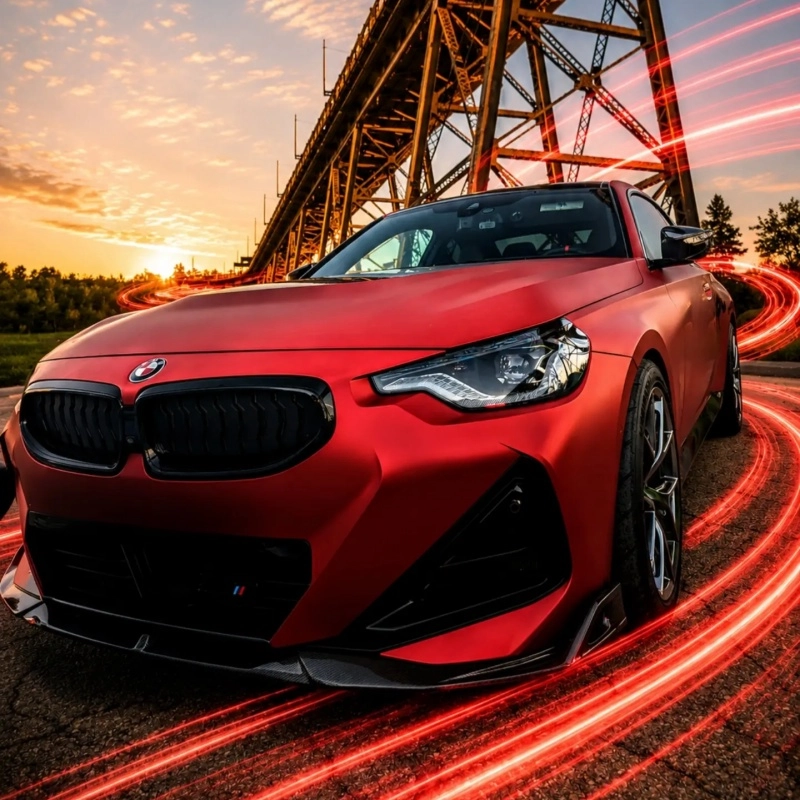
Red colored PPF (Paint Protection Film) is becoming one of the fastest-growing segments in automotive customization because it combines high-impact visual styling with real paint protection performance. Unlike traditional vinyl, modern TPU-based PPF not only changes the vehicle’s appearance but also provides self-healing, stone-chip resistance, and UV stability.
In this guide, we will break down everything you need to know about red colored PPF—from installation and durability to maintenance, cost structure, and brand comparison with real market data.
⭐ Featured Snippet: What is Red Colored PPF?
Red colored PPF is a thermoplastic polyurethane (TPU)-based automotive film designed to:
- Change a vehicle’s color to red or red-toned finishes
- Protect OEM paint from scratches, rock chips, UV rays, and chemical damage
- Offer self-healing properties under heat
- Last typically 5–10 years depending on material quality
Unlike traditional vinyl wrap, red PPF is thicker (160–210 microns vs 80–100 microns) and provides true impact resistance rather than only visual styling.
1. What Makes Red Colored PPF Different from Vinyl Wrap?
Red colored PPF is often confused with vinyl wrap, but the performance difference is significant.
Key Differences:
| Feature | Red Colored PPF (TPU) | Vinyl Wrap |
|---|---|---|
| Material | TPU (thermoplastic polyurethane) | PVC |
| Thickness | 160–210 microns | 80–100 microns |
| Protection | Impact + scratch protection | Cosmetic only |
| Self-healing | Yes (heat activated) | No |
| Lifespan | 5–10 years | 2–5 years |
| Cost | Higher | Lower |
👉 Internal reference: Learn more about styling options using
vinyl wrap for aesthetic-only customization.
2. Why Red Colored PPF Is Trending (Market Insight)
According to global automotive aftermarket reports (2024–2025 trends from Grand View Research and Statista automotive coatings segments), the paint protection film market is growing at ~6–8% CAGR globally, driven by:
- Rising demand for luxury vehicle protection
- Increased EV ownership (Tesla, Rivian, BMW i-series)
- Higher resale value awareness
- Growth of premium customization culture
Red finishes specifically are popular because:
- They increase visual contrast and sport appeal
- They are widely used in motorsport-inspired styling
- OEM red paint options are expensive and limited
3. Key Benefits of Red Colored PPF
1. Full Paint Protection
Red TPU film protects against:
- Stone chips on highways
- Scratches from washing
- Bird droppings & acid rain
- UV oxidation
2. Self-Healing Technology
Minor swirl marks disappear when exposed to heat (sunlight or warm water).
3. Color Stability
High-quality TPU films resist fading for up to 7–10 years.
4. Premium Aesthetic Upgrade
Compared to repainting, red PPF:
- Maintains factory paint integrity
- Increases resale value
- Offers reversible customization
5. Hydrophobic Surface (Advanced TPU)
Water, dirt, and dust slide off more easily, reducing maintenance frequency.
4. Limitations & Disadvantages
Even though red colored PPF is premium, it has limitations:
- Higher upfront cost than vinyl wrap
- Requires professional installation
- Color options are more limited than vinyl
- Repair sections may require panel replacement matching
However, for long-term users, durability offsets these drawbacks.
5. Installation Process (Professional Standard)
Installing red colored PPF requires precision and controlled environments.
Step-by-Step Process:
- Surface Decontamination
- Clay bar treatment
- Iron removal
- IPA wipe-down
- Paint Inspection
- Swirl marks correction if necessary
- Surface must be defect-free
- Film Application
- Wet or dry installation depending on film type
- Alignment with body curves
- Heat Stretching & Anchoring
- Heat gun used for complex curves
- Edges wrapped for seamless finish
- Post-Installation Curing
- 24–48 hours drying time
- No washing for 5–7 days
👉 Internal reference: Explore professional-grade TPU materials here
TPU wrap
6. Maintenance Guide for Red Colored PPF
To maximize lifespan:
Do:
- Wash weekly with pH-neutral shampoo
- Use microfiber towels
- Apply PPF-safe sealants
Don’t:
- Use abrasive brushes
- Use strong solvents (acetone, alcohol-heavy cleaners)
- Pressure wash edges directly
Recommended Maintenance Frequency:
- Basic wash: every 7–10 days
- Deep clean: every 2–3 months
7. Lifespan & Durability Analysis
High-quality TPU red colored PPF typically lasts:
- Entry-level films: 3–5 years
- Mid-tier TPU: 5–7 years
- Premium TPU (aliphatic TPU): 7–10 years
Key factors affecting lifespan:
- UV exposure (sunbelt regions like California reduce lifespan slightly)
- Installation quality
- Maintenance routine
- Parking conditions (garage vs outdoor)
8. Vehicle Applications
Red colored PPF is widely used across multiple vehicle categories:
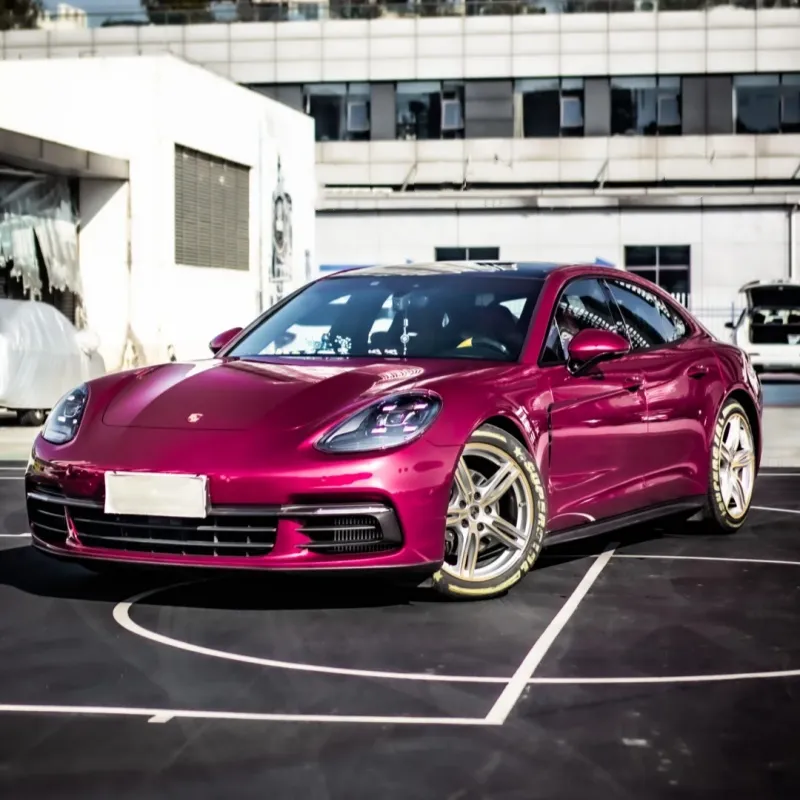
Sports Cars
- Porsche Panamera
- Chevrolet Corvette
- Nissan GT-R
📌 
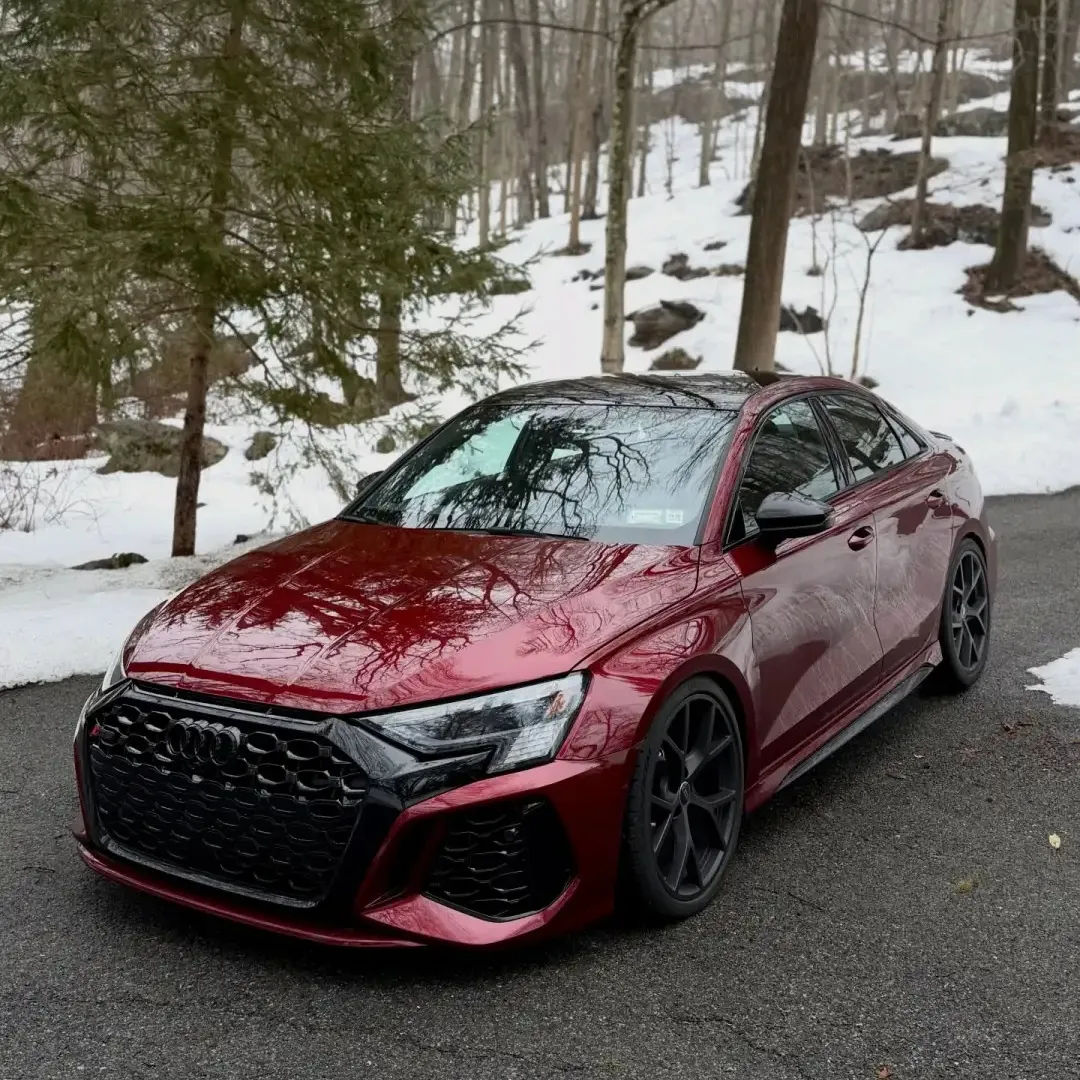
Luxury Sedans
- Mercedes-Benz S-Class
- BMW 7 Series
- Audi RS3
📌 
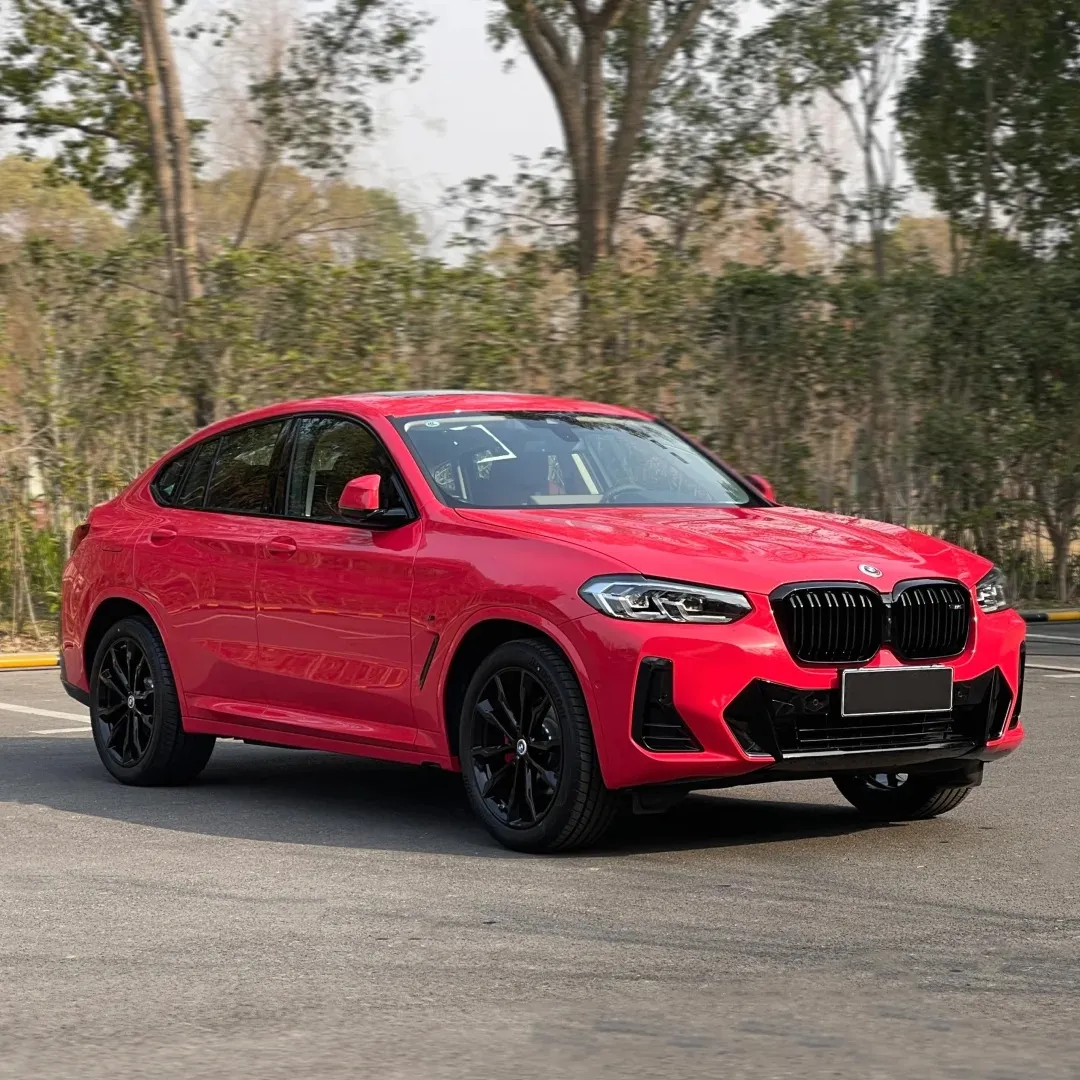
SUVs
- Range Rover Sport
- BMW X4 / X5
- Toyota Land Cruiser
📌
9. Cost Breakdown (2026 Market Estimate)
| Vehicle Type | Vinyl Wrap | Red Colored PPF |
|---|---|---|
| Sedan | $2,000–$3,500 | $4,500–$7,000 |
| SUV | $3,000–$5,000 | $6,000–$9,000 |
| Luxury/Sports | $4,000–$6,000 | $7,000–$12,000 |
Why PPF is more expensive:
- TPU raw material cost is higher
- Multi-layer coating structure
- Self-healing top coat
- Higher installation skill requirement
10. Brand Comparison: ALUKO vs Global Competitors
Below is a real-world comparison of red colored PPF brands:
| Brand | Material | Finish Quality | Durability | Price Level | Notes |
|---|---|---|---|---|---|
| ALUKO | TPU (Aliphatic) | High gloss + matte options | 7–10 years | Mid-premium | Balanced performance & cost |
| Teckwrap | TPU hybrid | Gloss-heavy finishes | 5–7 years | Mid | Strong color range |
| Tinybot | TPU | Satin premium look | 6–8 years | Premium | Strong aesthetic finishes |
| Inozetek USA | TPU/PVC hybrid | Ultra gloss metallic | 5–7 years | Premium | Strong visual depth |
Key Takeaways:
- ALUKO focuses on balanced durability + affordability
- Inozetek emphasizes visual depth and luxury finish
- Tinybot focuses on design-driven satin/chrome aesthetics
- Teckwrap provides broad color accessibility
11. Internal Linking Strategy (SEO Structure)
To improve topical authority and internal SEO flow:
- Explore styling options: vinyl wrap
- Advanced TPU materials: tpu wrap
- Protection solutions: clear ppf
- Category hub: red ppf
12. Red Colored PPF vs Clear PPF
Clear PPF is designed for invisible protection, while red colored PPF adds styling.
| Feature | Clear PPF | Red Colored PPF |
|---|---|---|
| Appearance | Invisible | Visible color change |
| Protection | High | High |
| Styling | None | Strong |
| Popular Use | OEM protection | Custom builds |
👉 Internal reference: Clear PPF
13. Is Red Colored PPF Worth It?
Yes—if you value both aesthetics and protection.
It is especially worth it for:
- Luxury vehicle owners
- Sports car enthusiasts
- EV owners wanting unique styling
- Long-term car preservation goals
If your goal is only appearance at low cost, vinyl wrap may still be better.
14. FAQ (SEO Featured Snippet Optimized)
Q1: How long does red colored PPF last?
Typically 5–10 years depending on quality and maintenance.
Q2: Can red PPF be removed?
Yes, it can be safely removed without damaging OEM paint if installed correctly.
Q3: Is PPF better than vinyl wrap?
PPF is better for protection; vinyl is better for budget styling.
Q4: Does red PPF fade?
High-quality TPU PPF has UV-resistant coatings that minimize fading.
Q5: Can I wash a car with PPF normally?
Yes, but avoid harsh chemicals and abrasive brushes.
Conclusion
Red colored PPF represents the next evolution in automotive customization—combining visual impact, paint protection, and long-term durability. While it costs more than vinyl wrap, it offers significantly higher value over time.
Brands like ALUKO are pushing the category forward with balanced TPU formulations that compete directly with premium names like Inozetek, Tinybot, and Teckwrap, while maintaining broader accessibility.
For users seeking both style and protection, red colored PPF is no longer just an upgrade—it is becoming the new standard in premium automotive wrapping.
Blog comments
0 Comments