

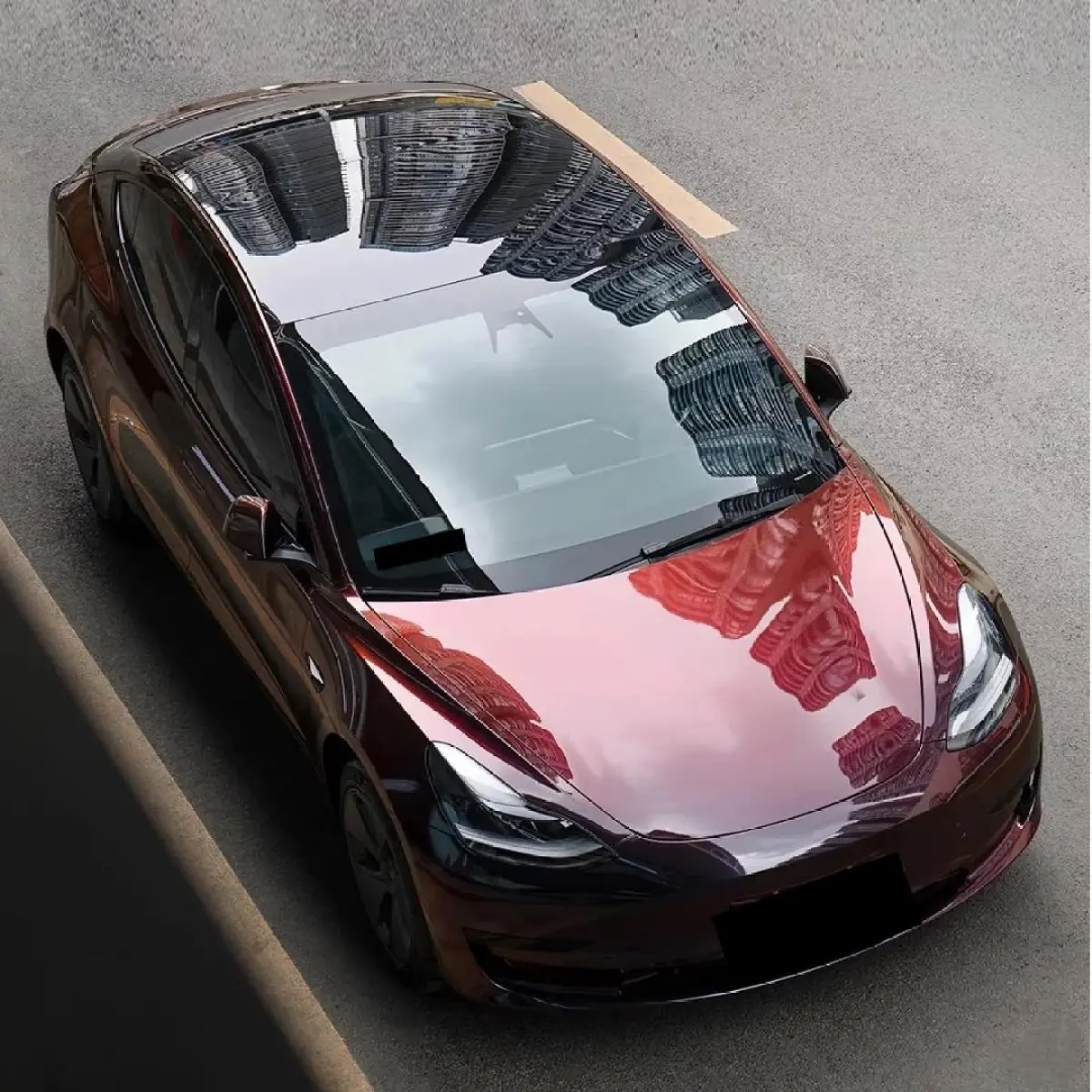
If you love the look of a color car wrap but also want real impact resistance and self-healing, thermoplastic polyurethane (TPU) paint protection film (PPF) has changed the game. Unlike traditional cast-vinyl wraps (PVC), modern tpu wrap systems use aliphatic TPU and a self-healing top-coat to erase swirl marks with heat, maintain high optical clarity, and deliver multi-year durability backed by manufacturer warranties.
What “TPU car wrap” means in practice
In the PPF world, “TPU car wrap” refers to a clear or colored protection film built on an aliphatic TPU base plus an acrylic adhesive and a self-healing, hydrophobic top-coat. For example, XPEL’s ULTIMATE PLUS lists a nominal thickness of 7.6 mil (193 µm), gloss >90 GU, tensile elongation >300%, and weathering results like ΔE < 1.5 under SAE/ASTM protocols—numbers that highlight why TPU PPF behaves more like a resilient, optically-clear shield than a decorative vinyl.
ALUKO focus: quantified specs you can use
ALUKO’s latest clear gloss PPF publishes 8.5 mil ±0.3 total thickness, ~98.5% UV-blocking, ~94 GU @60° gloss, Shore 93A hardness, and premium inputs (Covestro TPU base; Ashland adhesive). Matte/stealth options list 7.5 mil total thickness for easier handling on complex panels. These figures align with the industry’s ~8-mil “sweet spot” for daily-driver impact absorption while keeping installs efficient.
Why TPU films self-heal (and vinyl does not)
TPU PPFs use an elastomeric, heat-responsive top-coat: mild heat (sun, warm water) lets the polymer network flow back, leveling micro-marring without polishing. Aliphatic TPU chemistry is central here because it resists UV yellowing while retaining transparency—precisely why quality PPFs remain “invisible” for years. Cast-vinyl wraps (PVC), by contrast, are cosmetic laminates without a self-healing layer.
Brand comparison at a glance (ALUKO vs. market)
| Brand / Series | Base Material | Nominal Thickness | Self-Healing | Key Performance Data | Warranty (indicative) |
|---|---|---|---|---|---|
| ALUKO Ultra Gloss (Clear) | Aliphatic TPU | 8.5 mil ±0.3 | Yes (top-coat) | UV block ~98.5%; gloss ~94 GU @60°; Shore 93A hardness | Series/region dependent (contact sales) |
| ALUKO Matte (Stealth) | Aliphatic TPU | 7.5 mil | Yes | Matte finish to de-gloss OEM paint; installer-friendly handling | Series/region dependent |
| XPEL ULTIMATE PLUS | Aliphatic TPU | 7.6 mil (no liner) | Yes | Gloss >90 GU; ΔE <1.5 on xenon/EMMAQUA; elongation >300% | 10-year limited |
| STEK DYNOshield | Aliphatic TPU | ~8 mil (200 ± 10 µm) | Yes | Gloss >90 GU; hydrophobic “nano-glass” top-coat | 10–12-year limited (conditions apply) |
| 3M Wrap Film 2080 | Cast PVC (vinyl) | ~3.5 mil (w/o adhesive) | No | Decorative color/texture film; not a PPF | Zone-based durability; decorative use |
| Avery Dennison SW900 | PVC wrap film | ~3.2–4.2 mil (color dependent) | No | Premium cast-vinyl for color change | Durability by zone; decorative use |
Sources: ALUKO specs (8.5 mil, UV ~98.5%, gloss 94 GU, 93A; matte 7.5 mil); XPEL ULTIMATE PLUS TDS (7.6 mil, gloss>90 GU, elongation>300%, ΔE<1.5); STEK DYNOshield TDS/specs (≈8 mil, gloss>90 GU, hydrophobic; 10–12-yr warranty); 3M 2080 bulletin (cast vinyl, ~3.5 mil); Avery SW900 PDS (PVC, ~3.2–4.2 mil).
Measured advantages of TPU “car wrap” films
1) Impact & abrasion buffering
TPU’s elastomeric base and thicker build (~7.5–8.5 mil) soak up road rash far better than 3–4 mil PVC wraps, which are optimized for style—not chip resistance. XPEL’s TDS shows no detrimental effect in ASTM D3170/SAE J400 gravelometer testing, illustrating the point.
2) Optical durability
Aliphatic TPU formulations are specifically chosen for long-term clarity and non-yellowing performance under UV, a key differentiator from PVC.
3) Self-healing with heat
Micro-marring in a TPU top-coat relaxes with moderate heat (sunlight, warm water), returning the surface toward its original gloss without compounding.
4) Warranty confidence
Major TPU brands (XPEL, STEK) publicly back 10-year limited warranties when installed by certified shops—an indicator of expected field performance.
When should you still choose a vinyl wrap?
Traditional cast-vinyl wraps (3M 2080, Avery SW900) shine for color change, textures (carbon, satin, chrome-like), and cost-effective brand/graphics. If your priority is a dramatic restyle on a budget—and you accept that it’s a cosmetic layer without self-healing or serious chip resistance—vinyl is perfect. For “invisible” protection that preserves paint while keeping the OEM look (or adding subtle finishes), choose TPU.
ALUKO build examples: clear, matte, and color PPF
- Clear gloss PPF (Ultra 8.5 mil) — balanced thickness, ~98.5% UV blocking, high gloss (~94 GU), premium base/adhesive inputs.
- Stealth/matte (matt ppf) 7.5 mil — restyle to a “stealth” OEM-like satin while retaining self-healing and chip resistance.
- Colored TPU PPF — color transformation and protection in one layer; available in multiple finishes (gloss, metallic effect, carbon fiber pattern).
Hands-on selection: what to check before you buy
- Ask for the film’s TDS: total thickness (target ~8 mil for daily use), base (aliphatic TPU), gloss or haze metrics, and any accelerated weathering data (e.g., SAE J2527, ASTM G90).
- Confirm installer & warranty registration (10-year programs are common with the top brands).
- Match finish to outcome: clear ppf for OEM shine; matt ppf for stealth; colored PPF for paint-like restyle with protection.
Link your choice to real-world value
For fleet or enthusiast applications, the math is simple: TPU PPF’s thicker, self-healing construction reduces repaint risk and detailing costs over time, while keeping resale value high thanks to preserved OEM clear-coat. If you only want bold color/texture for a short campaign or seasonal look, vinyl delivers. But for most daily drivers, a quality tpu wrap is the modern baseline for protection with style.
Spec sheet snapshot · ALUKO vs. XPEL vs. STEK
| Metric | ALUKO Ultra Gloss | XPEL ULTIMATE PLUS | STEK DYNOshield |
|---|---|---|---|
| Total thickness | 8.5 mil ±0.3 | 7.60 mil (no liner) | ~8 mil (200 ± 10 µm) |
| Gloss @60° | ~94 GU | >90 GU | >90 GU |
| Self-healing | Yes (heat-activated) | Yes | Yes |
| UV/Weathering | UV block ~98.5% | ΔE <1.5 under xenon & EMMAQUA; 80–90% gloss retention (protocol-dependent) | Hydrophobic, anti-yellowing top-coat; xenon arc testing |
| Notables | Covestro TPU base; Ashland adhesive | >300% elongation; tear >60 kN/m | Hydrophobic “nano-glass” top-coat |
| Warranty | Series/region dependent | 10-year limited | 10–12-year limited (program-dependent) |
Citations: :contentReference[oaicite:18]{index=18}
Quick internal links
• car wrap · • tpu wrap · • clear ppf · • matt ppf
Tip for B2B buyers: when comparing quotes, normalize by film series, thickness, and warranty term. TPU PPF in the 7.5–8.5 mil class with a documented self-healing top-coat and a 7–10-year limited warranty forms today’s value baseline.
Blog comments
1 Comments
1