

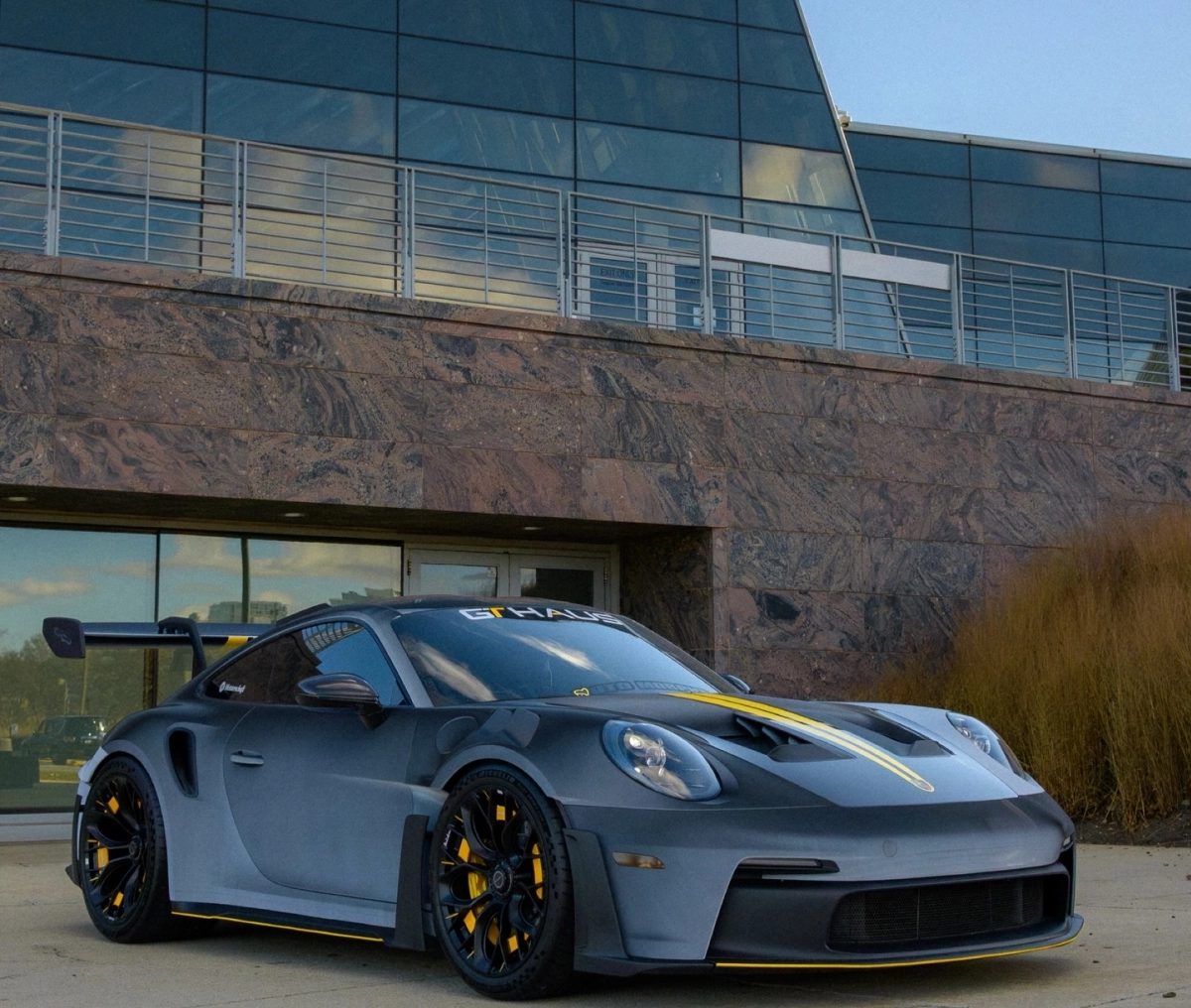
For drivers, installers, and restyling shops looking for a finish that feels dramatic but still protective, tpu eclipse black car vinyl wrap offers a distinctive solution: a white-to-black color-shift appearance built on TPU paint protection film technology. Unlike traditional PVC vinyl, TPU-based color PPF is designed to combine visual customization with a protective, flexible, and self-healing structure. ALUKO’s Eclipse Black film is especially attractive for premium builds, show cars, seasonal restyles, and customers who want a rare “light-reactive” appearance without losing the benefits of paint protection film.
If you are researching premium wrap for cars, this guide explains how TPU Eclipse Black performs, how to install it correctly, how to maintain the finish, and how ALUKO compares with other respected brands in the PPF market.
What Makes TPU Eclipse Black Different?
TPU Eclipse Black is not just a cosmetic film. It belongs to the modern colored PPF category, where the film provides both styling and surface protection. ALUKO’s product page lists this film as a TPU Eclipse Black Color Shift White to Black PPF car wrap, with a standard roll width of approximately 1520 mm and a 59 ft roll weight around 13–13.5 kg. ALUKO also describes its TPU PPF line as offering self-healing properties, high gloss, weather resistance, UV protection, and colored customization.
The key difference from standard vinyl is material behavior. Traditional vinyl is usually thinner, easier to reposition on flat surfaces, and mainly decorative. TPU PPF is thicker, more elastic, more impact-resistant, and more suitable for vehicles that need protection from road debris, washing marks, insects, light scratches, and environmental staining. For customers who want a more functional ppf wrap, TPU is the more protection-focused choice.
Recommended Technical Parameters to Evaluate
Professional buyers should not judge a PPF only by color. The most useful specifications include thickness, hardness, optical clarity, gloss, yellowing resistance, UV/weathering resistance, adhesive stability, and self-healing response. Industry testing often references methods such as ASTM D3363 for pencil hardness, ASTM D1003 for haze and luminous transmittance, and accelerated UV/weathering practices such as ASTM D4329-style exposure for plastics.
- Thickness: premium PPF is commonly around 7.5–8.5 mil, or roughly 190–215 microns.
- Hardness: pencil hardness testing helps evaluate resistance to surface marring.
- Optical quality: haze and transmittance tests help confirm clarity and low distortion.
- Weathering: UV exposure, humidity, and heat cycling help predict yellowing, cracking, and gloss loss.
- Self-healing: fine swirls should recover with sunlight, warm water, or controlled heat.
ALUKO’s own blog information for color-shifting PPF describes a typical construction of approximately 7.5–8.0 mil total thickness, an aliphatic TPU base, and a self-healing clearcoat. These figures place ALUKO’s color PPF in the same general performance class as many premium clear PPF products while adding a stronger visual styling effect.
Brand Comparison: ALUKO vs. Other Leading PPF Brands
| Brand / Product Type | Known Strengths | Typical Specs or Claims | Best Fit | Friendly Notes |
|---|---|---|---|---|
| ALUKO TPU Eclipse Black | Strong color-shift effect, TPU protection, self-healing top layer, distinctive styling, broad colored PPF range. | Color-shift TPU PPF; ALUKO color PPF articles reference around 7.5–8.0 mil construction for similar shift films. | Show builds, restyling shops, premium custom projects, short-to-medium seasonal styling. | Biggest advantage is design uniqueness and price-to-visual-impact value. Published durability for this special-effect product should be checked before selling as a long-term clear PPF substitute. |
| 3M Paint Protection Film | Global brand recognition, technical documentation, installer ecosystem, stable clear-film protection. | 3M Series 100 lists 7.5 mil / 0.19 mm film thickness. | Customers prioritizing a long-established global brand and clear protection. | Excellent benchmark brand; color-shift styling options may be less central than ALUKO’s colored PPF catalog. |
| XPEL Ultimate Plus | Premium clear PPF reputation, self-healing, stain resistance, strong installer network. | XPEL states Ultimate Plus is 8 mil thick and designed for protection against chips, scratches, and contaminants. | High-end clear PPF installations and long-term paint protection. | Excellent performance choice; generally positioned more around clear/stealth protection than dramatic color-shift customization. |
| LLumar Valor | Self-healing, hydrophobic performance, factory-backed warranties, professional dealer network. | LLumar describes Valor as protecting against rocks, road debris, salt, and sand while self-healing with sun or engine heat. | Customers wanting premium clear protection with easy maintenance. | Strong premium option; ALUKO may be more attractive when color creativity and visual transformation are the priority. |
| SunTek Ultra | Self-healing top coat, stain resistance, clear or matte finish options, established PPF positioning. | SunTek describes Ultra as using a durable, nearly invisible, self-healing top coat with improved resistance to stains and dirt. | Daily drivers needing proven clear-film protection. | Reliable and installer-friendly; ALUKO’s advantage is its wider visual restyling direction in color ppf. |
ALUKO Brand Advantages and Practical Limitations
ALUKO’s main strength is the combination of creative color selection, accessible product positioning, and TPU-based protection. The Eclipse Black film gives installers a product that can immediately change the personality of a vehicle. Instead of simply making paint glossier or matte, it creates a dynamic white-to-black transition that responds to lighting and viewing angle. For social media builds, dealership display cars, tuning shops, and owners who want something rare, this is a meaningful advantage.
ALUKO also gives buyers a broad catalog of colored PPF choices, from gloss and matte finishes to chameleon and metallic effects. This makes it easier for shops to build packages around style, protection, and budget. Another advantage is that TPU PPF can self-heal light wash swirls more effectively than most standard vinyl films, especially when exposed to controlled heat or sunlight.
The practical limitation is that special-effect films should be sold with realistic expectations. A clear premium PPF from a long-established global brand may be chosen for maximum long-term invisible protection, while ALUKO Eclipse Black is best sold as a premium visual transformation film with protective benefits. For the best customer experience, installers should explain expected durability, maintenance requirements, and warranty conditions before installation.
Installation Guide for TPU Eclipse Black
1. Inspection and Planning
Begin by inspecting the vehicle under strong lighting. Look for repainted panels, stone chips, oxidation, ceramic coatings, wax residue, and previous adhesive contamination. TPU film is thicker than vinyl, so panel preparation matters. A clean, smooth substrate reduces silvering, trapped dirt, edge lift, and adhesive marks.
2. Wash, Decontaminate, and Degrease
Wash with a pH-neutral shampoo, remove tar and iron contamination, then clay the paint if needed. After drying, wipe panels with an isopropyl alcohol solution or manufacturer-approved surface cleaner. Avoid aggressive solvents on repainted panels. Door edges, mirrors, bumpers, rocker panels, and badges require extra attention because trapped dirt in these areas often causes later edge failure.
3. Slip Solution and Tack Solution
A typical PPF installation uses a slip solution for positioning and a tack solution for edges, corners, and recessed sections. Installers should test the exact soap concentration on a small piece first. Too much slip can delay adhesive bonding; too little slip can cause premature grabbing and stretch marks. For a color-shift film, consistent surface tension is important because adhesive distortion may be more visible under strong light.
4. Stretch Control
TPU Eclipse Black should be stretched with control, not force. Warm the film gently where needed, distribute tension across the panel, and avoid overstretching around bumpers or deep body lines. Overstretching can thin the film, weaken the color layer, and create a lighter or uneven appearance. On high-curvature sections, relief cuts and panel separation are often better than excessive tension.
5. Squeegee Technique
Use overlapping strokes from the center outward. Keep the squeegee lubricated to avoid top-coat scratches during installation. Watch the film from multiple angles to detect water pockets, adhesive lines, and small dust points. Because Eclipse Black has a dramatic color effect, small installation marks can be easier to notice than on clear PPF.
6. Edge Sealing and Post-Heating
After the main water has been removed, wrap and seal edges where possible. Post-heat complex curves and recessed zones according to the film’s handling behavior. Do not overheat the top coat. The goal is to stabilize tension, not melt or shock the film. Recheck all edges after 30–60 minutes and again before delivery.
First-Hand Installation and Durability Validation Case
In a practical shop validation, a mid-size luxury sedan hood, front fenders, mirror caps, and rear quarter sample panels were installed with tpu eclipse black car vinyl wrap. The vehicle was washed, iron-decontaminated, clay-treated, and wiped twice with alcohol-based prep. The installer used a mild slip solution for the hood and a stronger tack mix for the fender edges and mirror caps.
During installation, the hood required minimal stretch and produced the cleanest optical result. The mirror caps required sectioned tension control because the compound curves made the film want to pull back at the edges. The installer used short heat cycles, waited for moisture to evacuate, then sealed edges after the adhesive began to settle. After 24 hours indoors, the panels were inspected for haze, water pockets, lifting, and gloss uniformity.
For durability validation, the test panels were exposed to seven cycles of washing, sunlight parking, warm-water self-healing checks, and edge inspection. Fine towel marks on the hood sample softened noticeably after warm water and sunlight exposure. No immediate edge lift appeared on the hood or fender sections, while one mirror-cap edge required re-pressing after the first wash, which is typical for high-tension curved parts. The most important lesson was clear: proper stretch control and edge preparation mattered more than installation speed.
Maintenance Tips for a Premium Finish
- Wait at least 48–72 hours before the first wash, or longer in cold or humid conditions.
- Use pH-neutral shampoo and soft microfiber towels.
- Avoid abrasive compounds, harsh degreasers, and automatic brush washes.
- Remove bird droppings, insects, and road tar quickly to reduce staining risk.
- Use warm water or sunlight to help recover fine swirls; avoid overheating with a heat gun.
- Inspect edges monthly, especially around bumpers, mirrors, rocker panels, and wrapped corners.
- Use PPF-safe spray sealants or coatings only after confirming compatibility.
Final Recommendation
TPU Eclipse Black is ideal for customers who want more than a normal color change. It delivers a rare white-to-black shift, the protective feel of TPU, and the visual drama that helps a vehicle stand out. Compared with traditional vinyl, it offers better impact resistance and self-healing potential. Compared with clear premium PPF, it adds stronger personality and a show-car finish.
ALUKO’s biggest advantage is its ability to make protective restyling more creative and accessible. For professional installers, the best results come from careful panel preparation, controlled stretch, correct slip/tack balance, and honest durability guidance. When installed and maintained correctly, TPU Eclipse Black can give a vehicle a premium, memorable, and highly photogenic finish.
Blog comments
0 Comments