

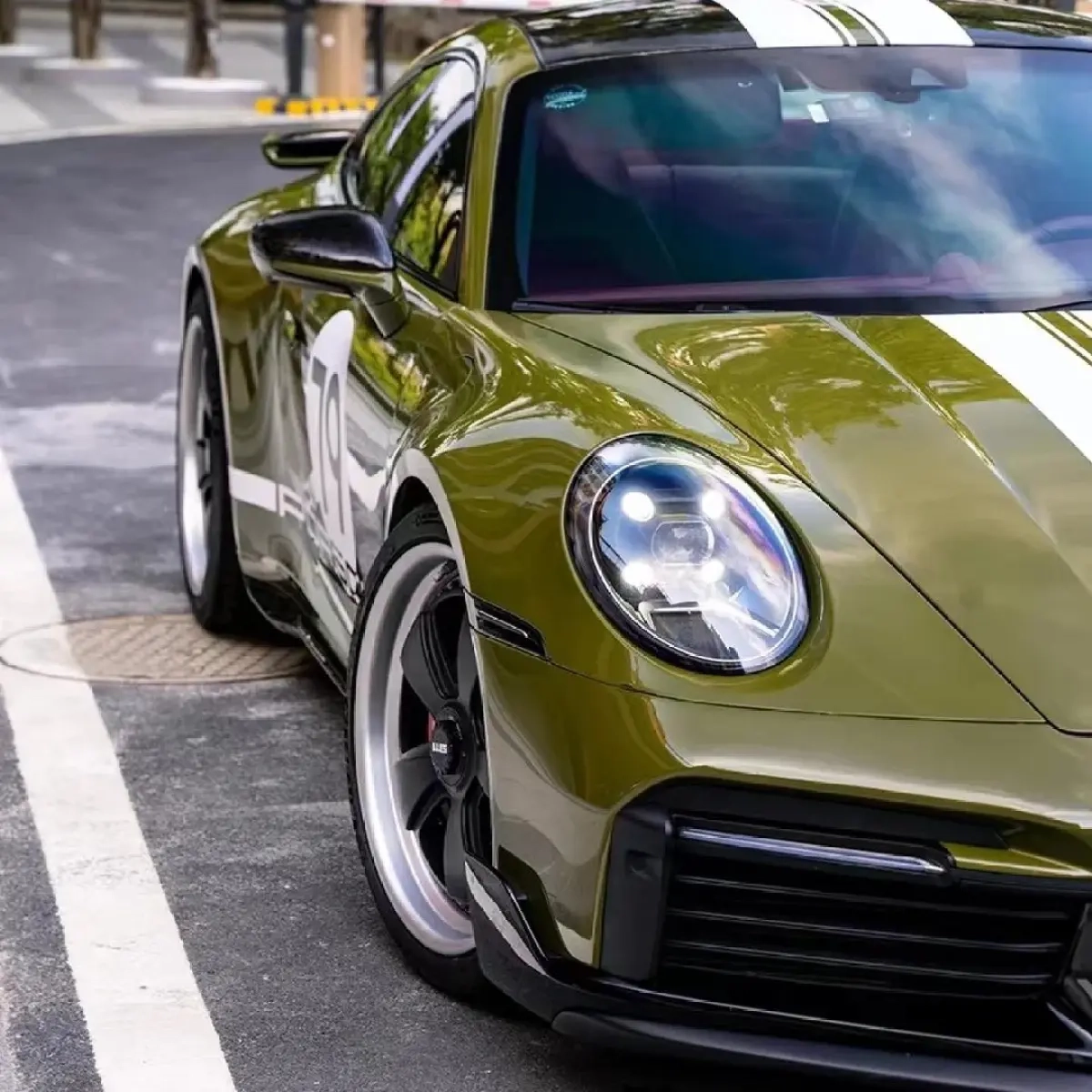
If you’re considering a finish upgrade for your vehicle, it’s crucial to understand the differences between a premium TPU wrap and a standard vinyl wrap. At Aluko Vinyl, we offer both cutting-edge solutions and this guide will help you decide based on durability, application, and protection benefits.
1. What Are We Comparing?
On one side is the film made of thermoplastic polyurethane (TPU) — often used in paint-protection-film (PPF) formats. The other is the more traditional polyurethane or polyvinyl-based film commonly referred to as a vinyl wrap. Although both modify or protect the exterior surface, their purpose, performance and lifespan differ significantly.
2. Durability: How Long Will the Finish Last?
Durability is one of the starkest differences:
- TPU films have been shown to last **7 to 10 years** (or more) under proper conditions thanks to their self-healing, UV-resistant, and chemical-resistant formulations. :contentReference[oaicite:1]{index=1}
- Traditional vinyl wraps generally last **3 to 5 years**, especially under harsh weather or intensive use—fading, peeling, yellowing and lifting are common. :contentReference[oaicite:2]{index=2}
For example, one detailed breakdown stated: “Vinyl wraps … are inherently less resistant to punctures and tears compared to TPU” and “TPU car wrapping film is renowned for its exceptional durability”. :contentReference[oaicite:3]{index=3}
3. Protection Benefits: Beyond the Look
When you install a film, you hope it does more than look good—it should protect the underlying paint and finish.
TPU advantages include:
- Self-healing topcoat: minor scratches can “heal” with heat or sunlight. :contentReference[oaicite:4]{index=4}
- High chemical resistance: better resistance to acid rain, road salts, UV, and contamination. :contentReference[oaicite:5]{index=5}
- Thicker film structure that offers rock-chip and stone-chip protection. :contentReference[oaicite:6]{index=6}
In contrast, vinyl wraps deliver more on aesthetics than heavy-duty protection. As one source summed up: “Vinyl only partially safeguards against scratches and minor damage … [PPF/TPU] is clearly superior for paint protection.” :contentReference[oaicite:7]{index=7}
4. Application & Installation Considerations
While both films can be professionally installed, there are differences to keep in mind:
- Complexity: TPU films tend to be thicker and less forgiving of mistakes in stretching or squeegeeing, requiring experienced installers for best results. :contentReference[oaicite:8]{index=8}
- Finish options: Vinyl wraps offer an enormous color/texture library (gloss, satin, chrome, matte)—ideal for customization. TPU films often focus on clear or lightly tinted protection versions though colored variants are emerging. :contentReference[oaicite:9]{index=9}
- Removal & lifespan: Because TPU is built for long-term use and higher adhesion, removal after many years may require more care; vinyl may have easier removal but will likely need replacement sooner. :contentReference[oaicite:10]{index=10}
5. Which One Should You Choose?
Here’s a quick decision matrix:
| Goal | Recommendation |
|---|---|
| Maximum protection, long ownership, resale value | Go with TPU wrap or clear gloss & matte PPF style film |
| Bold colour change, short-term update, lower budget | Traditional vinyl wrap is a great choice |
If your priority is maintaining the vehicle’s paint quality and shielding against debris, weathering or aggressive environments, then the investment in a higher-grade TPU film via our Paint Protection Film range is sensible. On the other hand, if customization and aesthetics are key, then our extensive vinyl wrap finishes deliver high impact.
6. How This Applies at Aluko Vinyl
At Aluko Vinyl, we feature both premium protection and stylish wrap options:
- Explore our **clear gloss PPF** line: Gloss PPF Ultra Paint Protection Film 8.5 mil for high-end protection.
- For matte aesthetic with protection, review our Matte Clear Car Wrap option.
- If your goal is color change or wrap styling, our vinyl wrap catalog with finishes in gloss, satin, chrome and more is readily customizable.
7. Final Takeaway
In summary: if you truly value long-term protection, want to preserve your vehicle’s finish and resale value, and are ready for the premium investment, then a high-quality TPU wrap (often used as a protective film) is the smart option. If you’re focused on bold looks, frequent updates and cost-efficient wrap solutions, a traditional vinyl wrap will serve well—but you’ll trade off some longevity and protection.
Whichever path you choose, ensure proper installation and maintenance—it goes a long way toward maximizing lifespan and performance.
Keywords: tpu wrap, vinyl wrap, clear gloss ppf, matte ppf wrap
Blog comments
0 Comments