

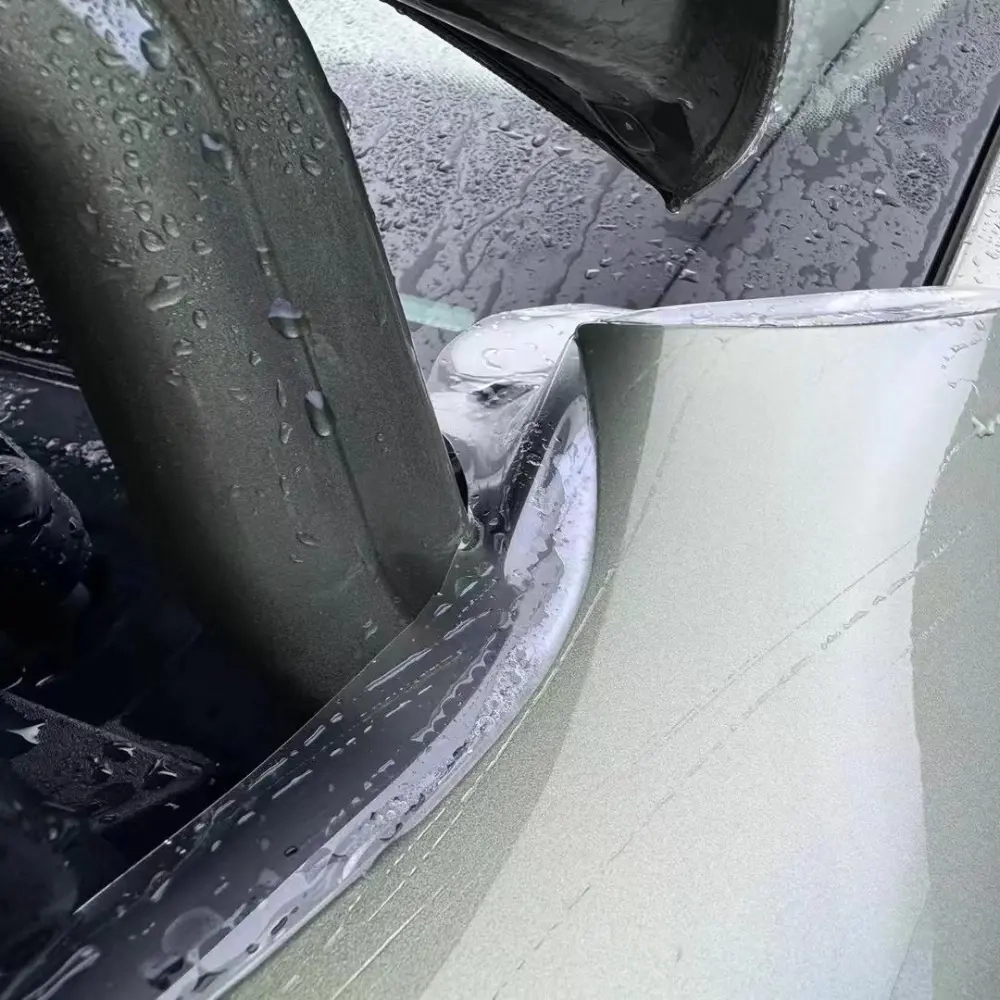
If you’re weighing paint film protection for cars in 2025, the case for modern TPU-based PPF is stronger than ever. Today’s premium films combine a clear, self-healing topcoat with impact-resistant urethane, verified by standardized abrasion, chip, and weathering tests. That means you can keep fresh paint looking new longer—whether you prefer a factory-correct gloss or a stealth matte look—while also simplifying routine maintenance.
1) Real-world chip and abrasion defense
PPF creates a sacrificial barrier against sand, gravel, and road debris that would otherwise pit clear coat and base coat. Leading films demonstrate resistance to stone-chip damage under SAE J400 gravelometer testing and withstand chemical splash and weathering cycles used across the coatings industry. :contentReference[oaicite:0]{index=0}
2) Self-healing against swirls and light marring
Modern clear coats use elastomeric polymers that re-flow with warmth, helping fine swirls and towel marks visually “heal” so the surface keeps a fresh, just-installed appearance. This self-healing behavior is explicitly documented by major manufacturers. :contentReference[oaicite:1]{index=1}
3) Easier washing and stain resistance
Hydrophobic topcoats shed water and road film, so regular maintenance takes fewer passes and stubborn contaminants (bugs, sap, bird droppings) remove more cleanly. Many 2024–2025 PPF lines call out enhanced hydrophobics and low “orange peel” optics for a crisp, glossy finish. :contentReference[oaicite:2]{index=2}
4) Weathering and UV durability engineered for longevity
High-quality films are designed to resist yellowing, cracking, and loss of gloss after thousands of hours of accelerated UV exposure (e.g., ASTM D7869 and related protocols). The goal: keep your OEM paint looking consistent over multiple seasons without chalking or edge-lift. :contentReference[oaicite:3]{index=3}
5) Finish flexibility: OEM-true gloss or stealth matte
Want the car to look factory-fresh? Choose a clear gloss ppf that preserves color depth and clarity. Prefer a satin transformation without repainting? A matte ppf wrap creates a uniform, low-gloss sheen while protecting the paint beneath. Both finishes use the same protective urethane architecture. :contentReference[oaicite:4]{index=4}
6) Thickness tuned to your use case
In 2025, most premium films sit around 7–8 mil total construction without liner, with “extra-duty” products at ~10 mil for higher impact zones (tracks, gravel, off-road). Thicker films boost impact resistance but are slightly less conformable on tight curves—installers often mix thicknesses by panel. :contentReference[oaicite:5]{index=5}
7) Helps protect long-term value and trade-in appeal
Used-vehicle valuation tools weigh exterior condition heavily. Preventing stone chips, clear-coat damage, and repair-visible repainting can help keep a car in “clean” condition bands that buyers prefer and pricing tools recognize. Consumer guides consistently advise shoppers to inspect paint for scratches, chips, and mismatched panels—issues PPF helps you avoid. :contentReference[oaicite:6]{index=6}
What’s new for paint film protection in 2025?
Beyond incremental optical and adhesive refinements, 2025 offerings continue to blur lines between coatings and film. Several brands now sell “2-in-1” concepts that merge a durable hydrophobic topcoat with the underlying TPU barrier, giving you PPF protection with the slick feel of a ceramic layer. Warranties commonly stretch up to 10 years when installed by authorized shops. :contentReference[oaicite:7]{index=7}
How to choose (and where to start)
- Prioritize impact zones: front bumper, hood leading edge, fenders, mirror caps, rocker panels.
- Match thickness to exposure: daily commuters do well at 7–8 mil; high-risk use may justify 10 mil on the nose. :contentReference[oaicite:8]{index=8}
- Pick your finish: factory look with clear gloss ppf or satin transformation with matte ppf wrap. :contentReference[oaicite:9]{index=9}
- Compare to wraps: For color/style changes, consider a vinyl wrap. For invisible protection, a dedicated ppf wrap is ideal.
- XPEL ULTIMATE PLUS Technical Data Sheets (self-healing polyurethane; 10-mil variant).
- 3M Scotchgard™ PPF Pro Series 200 (hydrophobic, self-healing, low orange peel, up to 10-year warranty).
- LLumar/Eastman PPF data (7–8 mil construction; SAE J400 chip, ASTM D7869 weathering, chemical resistance).
- SunTek/LLumar public pages on PPF benefits and “2-in-1” film/ceramic concepts.
- Kelley Blue Book & Edmunds guidance on exterior condition factors in used-car valuation and inspections.
Blog comments
0 Comments