

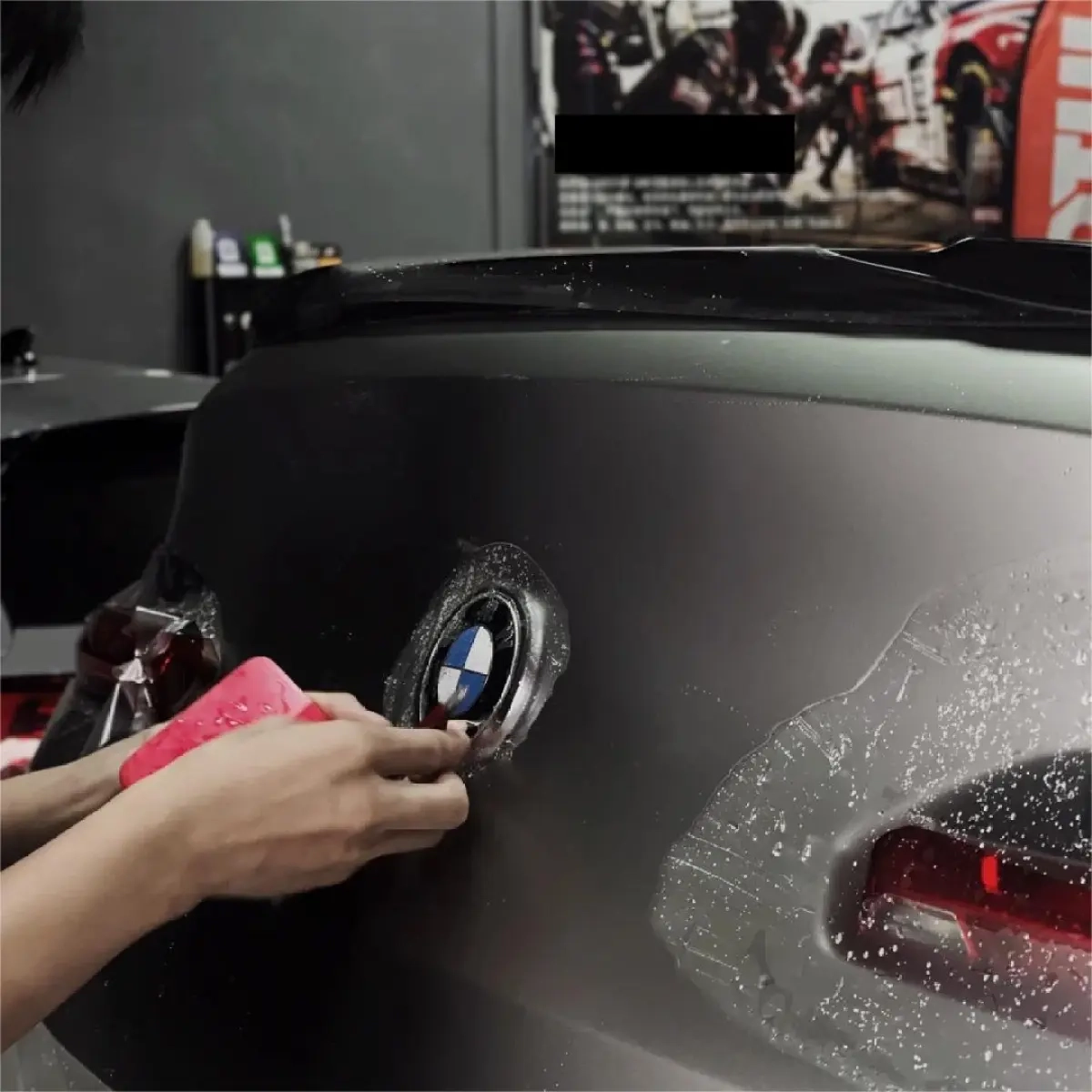
You want your car to look perfect, right? Paint protection film helps stop scratches and chips. AlukoVinyl’s self-healing, hydrophobic layer keeps your car shiny. It also makes cleaning easy. Many luxury car owners get PPF early. Surveys show it does not change how your car looks much.
Key Takeaways
-
Paint protection film (PPF) helps protect your car. It stops scratches, chips, and UV damage. This keeps your car looking new for a longer time.
-
PPF has self-healing technology. Small scratches can go away with heat. Your car stays shiny without you doing extra work.
-
Getting PPF installed by a professional gives a smooth look. It also makes it last longer. Doing it yourself can cause bubbles or make it not line up right.
What Is Paint Protection Film?
You might have heard people talk about paint protection film or PPF. This is a special layer that goes on your car’s paint. It keeps your car looking new and shiny. Many people call it a clear bra because it is almost invisible but very strong. AlukoVinyl makes a top-quality paint protection film that uses advanced thermoplastic urethane. This material gives your car a glossy finish and protects it from scratches, chips, and sun damage.
PPF Materials
When you look at PPF, you will see that not all films use the same stuff. AlukoVinyl uses premium-grade thermoplastic urethane. This material is tough and keeps your car’s paint glossy. There are two main types of TPU used in paint protection film: aliphatic and aromatic. Aliphatic TPU works best for cars because it stays clear and does not turn yellow in the sun. Aromatic TPU is strong but can look cloudy and may yellow over time.
Here’s a quick comparison:
|
Property |
Aliphatic TPU |
Aromatic TPU |
|---|---|---|
|
UV Resistance |
Superior, ideal for outdoor applications |
Lacks UV stability, tends to yellow |
|
Optical Clarity |
Remains clear, excellent for transparent films |
Generally opaque or slightly translucent |
|
Mechanical Strength |
Lower tensile strength, prioritizes flexibility |
Highly durable, resistant to abrasions and wear |
AlukoVinyl uses aliphatic TPU for its paint protection film. This means you get a clear bra that looks great and lasts longer.
PPF Thickness
Thickness matters when you choose PPF. Most paint protection film comes in thicknesses from 4 mils to 12 mils. An 8-mil film is the sweet spot for most cars. It gives you strong protection without being too thick or hard to install. Thicker films, like 10 or 12 mils, work well if you drive in rough places or want extra defense. For example, a 6-mil PPF can stop small stones at speeds up to 60 mph. A 10-mil film can handle bigger impacts at higher speeds. Thicker films also block more UV rays and resist scratches better. If you want a clear bra that keeps your car safe from everyday hazards, 8 mils is a smart choice.
Self-Healing Technology
One cool thing about AlukoVinyl’s paint protection film is its self-healing properties. If you get light scratches or swirl marks, the film can fix itself. Heat from the sun or warm water helps the film return to its smooth look. You do not need to worry about small marks ruining your car’s shine. But keep in mind, self-healing films cannot fix deep scratches or big damage. They work best for minor stuff. You should also take care of your PPF to keep it working well.
Tip: Regular cleaning and gentle care help your clear bra last longer and keep its self-healing magic working.
Structure and Layers
High-quality paint protection film has several layers. Each layer does something important. Here’s how it breaks down:
|
Layer |
Function |
|---|---|
|
Topcoat Self-Healing Shield |
Reduces surface imperfections and returns to original size after disturbance. |
|
Urethane Core |
Acts as the central structural layer, combining flexibility and strength. |
|
Acrylic Adhesive Layer |
Ensures a soft bond between the film and the car's surface. |
The topcoat gives you that glossy look and protects against scratches. The urethane core makes the film strong and flexible. The adhesive layer sticks the film to your car without hurting the paint. This smart design helps your clear bra stay clear, tough, and easy to clean.
PPF Benefits
Paint Protection
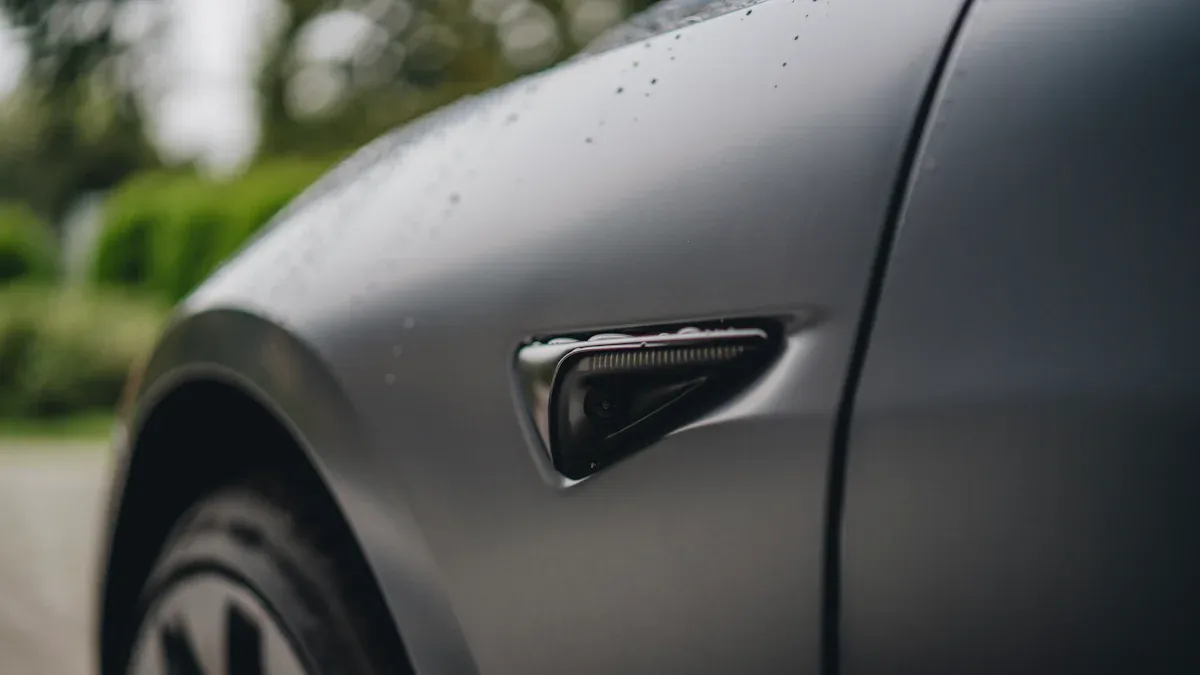
You want your car to look new for as long as possible. Paint protection film gives you a strong shield against everyday hazards. When you drive, rocks and debris can hit your car and leave chips or scratches. Over 40% of paint damage comes from rock chips each year. PPF acts like a clear armor, absorbing the impact and stopping most chips before they reach your paint. You get peace of mind knowing your car’s finish stays smooth and glossy.
Did you know? PPF absorbs and disperses impact energy, so your paint stays safe even when gravel or small stones hit your car.
Paint protection film also helps prevent scratches from keys, branches, or even careless shopping carts. You don’t have to worry about small accidents ruining your paint. This is one of the biggest advantages of using PPF. You keep your car looking sharp and avoid costly repairs.
Impact and Stain Resistance
PPF is engineered to handle tough conditions. It resists stains from bird droppings, bug splatter, and road tar. You can clean these messes off easily, and they won’t leave marks on your paint. The film also stands up to harsh chemicals and everyday grime. If you drive a lot or park outside, you know how quickly stains can build up. Paint protection film makes cleaning simple and keeps your car looking fresh.
Let’s look at how PPF performs in lab tests. The SAE J400 gravelometer test blasts hundreds of gravel pieces at a coated panel. After cleaning and taping, experts check for chips. Cars with PPF show fewer chips and less damage compared to cars without protection. This test proves the advantages of using paint protection film for impact resistance.
Here are some key advantages of PPF:
-
Shields your car from rock chips and scratches
-
Reduces the risk of paint chipping in tough conditions
-
Makes cleaning stains and grime much easier
-
Keeps your car’s finish looking new
UV and Yellowing Defense
Sunlight can damage your car’s paint over time. UV rays cause fading and yellowing, especially if you park outside. Modern paint protection films use advanced materials that block UV and stop yellowing. High-quality PPFs, like AlukoVinyl, include UV inhibitors. These keep your film clear and your paint bright, even after years in the sun.
Here’s what makes PPF a smart choice for UV defense:
-
Prolonged exposure to UV rays is the main reason for yellowing.
-
Top-grade PPF resists UV damage and stays clear.
-
Special UV inhibitors protect your car’s paint and film.
You get long-lasting paint protection and a car that looks great, no matter how much sun it gets. Warranties and maintenance products also boost your confidence in the durability of modern PPFs.
Easy Maintenance
You want a solution that saves you time and effort. Paint protection film makes maintenance simple. AlukoVinyl PPF has a hydrophobic surface, so water, dirt, and road grime slide right off. You spend less time washing your car, and it stays cleaner between washes. This is one of the top advantages for busy car owners.
Tip: Use a soft cloth and gentle soap to clean your PPF. You don’t need harsh chemicals or scrubbing.
High-clarity PPF keeps your car’s color and shine visible. You get invisible protection that doesn’t change how your car looks. AlukoVinyl’s film matches the clarity of leading brands, so your car stands out for all the right reasons.
Here’s a quick table showing the advantages of easy maintenance with PPF:
|
Feature |
Benefit for You |
|---|---|
|
Hydrophobic Surface |
Water and dirt repel easily |
|
High Optical Clarity |
Paint color and gloss shine |
|
Stain Resistance |
Messes clean up quickly |
|
Simple Care Routine |
Less time spent on cleaning |
With paint protection film, you enjoy a cleaner, shinier car with less work. You get the advantages of protection, easy care, and lasting beauty.
PPF Installation
Professional vs. DIY
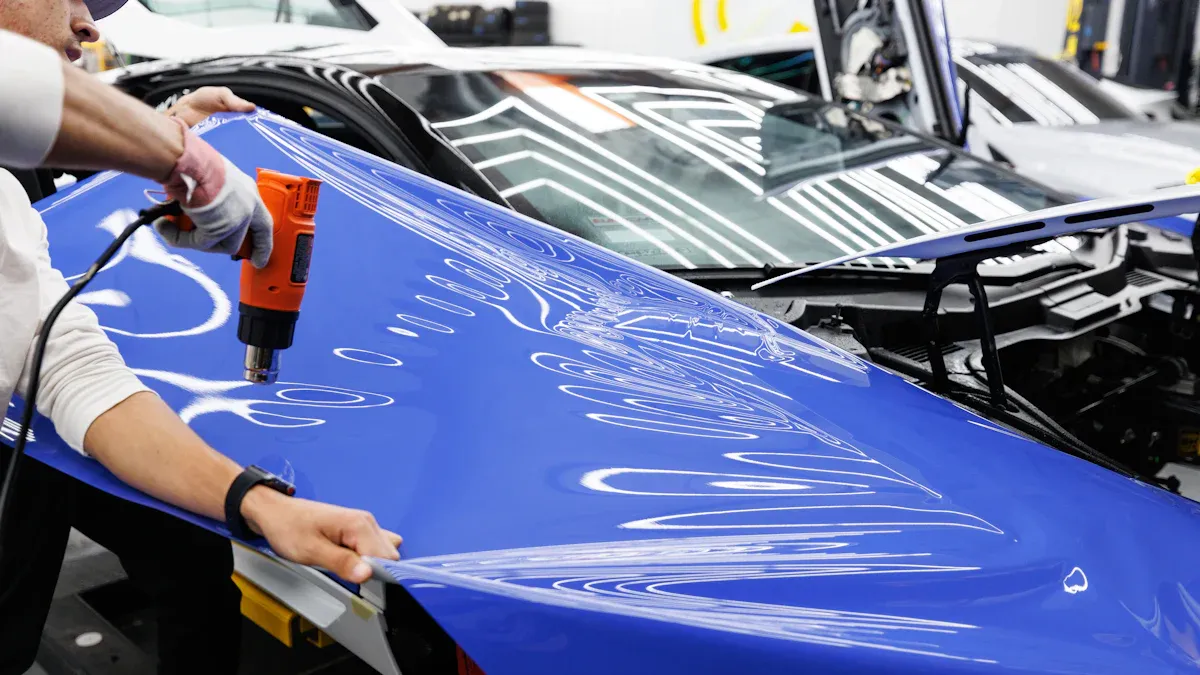
You might wonder if you should try ppf installation yourself or hire a pro. Here’s what you need to know:
-
Professionals use high-quality materials and special tools. This means your car gets a smooth, durable finish.
-
DIY kits can seem cheaper, but they often use lower-quality film. You may see seams, bubbles, or misalignment.
-
Experts have years of experience and know how to handle tricky spots. DIY methods can be tough if you want a proper install.
If you want your ppf to last and look great, professional installation is the best choice.
Installation Steps
A proper ppf installation follows these steps:
-
Clean your car’s surface with a clay bar and microfiber towel.
-
Spray a slip solution to help position the film.
-
Place the film and use a squeegee to remove air bubbles.
-
Trim edges with a razor blade for a perfect fit.
-
Wrap the edges and let the film cure.
Mistakes like poor cleaning or misalignment can cause bubbles, peeling, or exposed paint. Check out this table for common errors:
|
Installation Error |
Impact on Performance |
|---|---|
|
Poor Surface Prep |
Bubbles, peeling, weak adhesion |
|
Misalignment |
Gaps, exposed paint |
|
Air Bubbles/Wrinkles |
Bad appearance, less durability |
|
Wrong Trimming |
Peeling edges, missed spots |
Tools and Solutions
You need the right tools for ppf installation. Use a squeegee, heat gun, spray bottle with soap solution, microfiber towels, and a clay bar. These help you get a smooth finish and strong bond. A protective sealer coat adds shine and makes cleaning easier.
Coverage Options
You can choose full or partial coverage. Full ppf protects all painted surfaces and boosts resale value. Partial coverage costs less and covers only high-impact areas, but leaves some spots open to damage. Pick the option that fits your needs and budget.
PPF Maintenance
First Wash and Curing
After you get paint protection film installed, you need to let it cure before washing your car. Most brands recommend waiting at least 48 to 72 hours. Sometimes, curing can take up to a week, depending on the weather and the type of film. This waiting period helps the film stick well and keeps it looking smooth. If you wash your car too soon, you might see bubbles or lifting edges.
Tip: Always check with your installer for the best curing time for your ppf.
Cleaning Do’s and Don’ts
Keeping your film clean is easy if you follow a few simple rules. Use a gentle, pH-neutral car wash soap and a soft microfiber mitt. Hand washing works best. Avoid harsh chemicals, abrasive sponges, or brushes. High-pressure water near the edges can cause the film to peel. Over-washing can also strip away protective layers.
Here’s a quick list to help you:
-
✅ Do use pH-neutral shampoo and microfiber towels.
-
✅ Do wash by hand.
-
❌ Don’t use alcohol-based or silicone cleaners.
-
❌ Don’t scrub with rough sponges.
-
❌ Don’t spray high-pressure water at the edges.
Maintenance Products
You can use special products to keep your film looking new. Ceramic coatings and paint sealants add extra shine and protection. AlukoVinyl’s hydrophobic surface makes cleaning even easier, so water and dirt slide right off. Regular maintenance helps your film last longer and keeps your car looking great.
Note: Check for cracks, bubbles, or lifting edges during your routine maintenance. Fixing small issues early prevents bigger problems.
Cost and Value
Pricing Factors
When you look at the price of getting paint protection film, you will notice a few things make a big difference. The brand you choose matters a lot. Premium brands give you better protection and last longer, but they usually cost more. The size of your vehicle also changes the price. Bigger cars, SUVs, and vans need more film, so you pay more. If your car has a lot of curves or a tricky design, the job takes more time and skill. This can raise the cost of installation. Professional installers use special tools and have lots of experience. Their work costs more, but you get a smooth, strong finish that lasts.
Full vs. Partial Coverage
You can pick full or partial coverage for your car. Here’s a quick look at the difference:
-
Full coverage for a luxury car can cost between $4,200 and $10,200.
-
Partial coverage usually costs from $1,600 to $3,400.
-
Full coverage is about 2.5 to 3 times more expensive than partial coverage.
Full coverage protects every painted part of your car. Partial coverage focuses on high-impact areas like the hood, bumpers, and mirrors. You get to choose what fits your needs and budget.
Is PPF Worth It?
You might wonder if the cost is worth it. Paint protection film helps keep your car looking new. It stops scratches and chips, so you do not need to repaint or fix your car as often. Many people find their cars sell for more money when the paint looks perfect. PPF can cut repair costs by up to 80%. Even though you pay more at first, you save money over time and keep your car’s value high.
Tip: Protecting your car’s paint now can mean more money in your pocket when you sell or trade it in later.
PPF vs. Ceramic Coating
Performance Comparison
You might wonder how paint protection film stacks up against ceramic coating. PPF gives your car a tough shield. The film absorbs impacts from rocks and road debris. Its thermoplastic urethane layer, usually 6 to 8 mils thick, acts like armor. Ceramic coating, on the other hand, protects against chemicals and weather. It makes your car easier to clean and keeps it shiny. Ceramic coating does not stop chips or scratches from flying stones. If you want the best defense against physical damage, PPF wins in terms of performance.
|
Feature |
Paint Protection Film (PPF) |
Ceramic Coating |
|---|---|---|
|
Impact Resistance |
High |
Low |
|
Hydrophobic Effect |
Yes |
Yes |
|
Chemical Protection |
Yes |
Yes |
|
Scratch Protection |
Yes (minor scratches) |
No |
|
Gloss Enhancement |
Yes |
Yes |
Tip: If you drive on gravel roads or highways, PPF gives you peace of mind.
Combining PPF and Coating
You can use both PPF and ceramic coating for extra protection. Always apply PPF first. Clean and prep the surface well before adding ceramic coating. This helps the coating bond to the film. If you skip cleaning, the coating might not stick. Test a small spot to make sure everything works. When you combine both, your car gets impact resistance and a glossy, easy-to-clean finish.
PPF vs. Wraps
PPF is clear and protects your paint. Vinyl wraps change your car’s color or add designs. Wraps do not offer the same impact resistance. Window films only block sunlight and heat. If you want invisible protection, choose PPF. If you want a new look, go with a wrap.
Lifespan and Warranty
How Long PPF Lasts
You want your paint protection film to last as long as possible. Most high-quality PPFs stay strong for 5 to 10 years under normal driving conditions. Some films can even go beyond 10 years if you take good care of them. The durability of your film depends on a few things. If you wash your car gently and avoid harsh chemicals, you help your film last longer. Parking in shaded areas also protects your PPF from sun damage. On the other hand, rough weather and aggressive driving can wear out your film faster.
-
Quality of the film matters most.
-
Regular maintenance keeps your film looking new.
-
Parking in shade helps extend lifespan.
-
Extreme weather and rough roads can shorten life.
Signs for Replacement
You might notice when your PPF needs a change. Look for yellowing, peeling, or bubbling. If the film starts to crack or loses its shine, it’s time to think about replacement. Sometimes, deep scratches or stains won’t heal or clean off. These signs mean your film is no longer protecting your paint well.
Tip: Check your film every few months. Catching problems early saves you money and keeps your car looking great.
Brand Warranty Comparison
When you choose a brand, look at the warranty. Most warranties cover the film’s appearance, not damage to your car’s paint. Here’s a quick comparison:
|
Brand |
Warranty Length |
Coverage Details |
|---|---|---|
|
Up to 8 years |
Yellowing, cracking, bubbling |
|
|
6 years |
Yellowing, cracking, bubbling |
|
|
10 years |
Yellowing, cracking, bubbling |
|
|
10 years |
Yellowing, cracking, bubbling |
|
|
5 years |
Yellowing, cracking, bubbling |
Note: Always register your warranty and keep your documents safe.
Choosing Genuine PPF
Authorized Installers
You want your paint protection film to last a long time. It should also look good on your car. The best way is to use an authorized AlukoVinyl installer. Certified installers know how to put on the film the right way. They use the correct tools and follow special rules. These shops use real products, not fake ones. If you pick a trusted shop, you avoid peeling or bubbling. You also get help if you have questions later.
Tip: Always ask your installer to show their certification before you let them work on your car.
Product Verification
Not every paint protection film is real. Some fake films look like the real thing but do not protect your car. You can check if your ppf is real by looking at a few things. Here is a table to help you:
|
Verification Method |
Description |
|---|---|
|
Quality Assurance and Certification |
Good brands test their products and meet high standards. |
|
Brand Reputation |
Famous brands have happy customers and fewer fakes. |
|
Warranty and Customer Support |
Real products come with a warranty and helpful support. |
|
Pricing Discrepancies |
Very cheap prices can mean the product is fake. Good quality costs more. |
|
Packaging Discrepancies |
Real products have neat boxes. Messy packaging may mean it is fake. |
|
Texture and Appearance |
Real film feels smooth. Fake film can feel rough or look uneven. |
If you see problems with the box or price, ask questions before you buy.
Warranty Registration
Registering your paint protection film gives you extra protection. You get help if your film cracks or turns yellow. Your car’s value goes up because buyers trust protected cars. You also save money if something goes wrong.
-
Stops cracking or yellowing from being a problem
-
Makes your car worth more when you sell it
-
Gives you peace of mind with coverage
-
Helps you learn about your warranty
To make sure your warranty works, follow these steps:
-
Ask for a warranty card and a receipt.
-
Register online with your car and installer information.
Note: Keep your warranty papers safe. You will need them if you ever want help.
Real-World Scenarios
Best Coverage for Your Needs
Choosing the right paint protection film depends on how you drive and what you want for your car. You might drive to work every day, take your truck off-road, or just bought a new car. Each situation needs a different coverage plan. Here’s a quick look at what works best for you:
|
Driver Type |
Recommended Coverage Strategy |
|---|---|
|
Daily Commuters |
Touring PPF for budget-conscious highway driving. |
|
Off-Road Enthusiasts |
Track PPF for varied conditions and protection. |
|
New Car Owners |
Full Front PPF for maximum protection investment. |
If you drive in the city, you can use standard gloss PPF on door edges, bumpers, and mirrors. This keeps your car looking clean and protects spots that get hit most. Off-road drivers need stronger coverage. Track PPF handles rough roads and flying debris. New car owners often choose full front coverage. This protects the hood, bumper, and mirrors, keeping your car looking new longer.
Tip: You can also pick selective PPF for high-impact areas like the front bumper and side mirrors. This saves money and still gives strong protection.
Risk and Warranty Tips
You want your warranty to work when you need it. Most warranties cover the film, not the paint underneath. If you use harsh chemicals or skip regular cleaning, you might lose your coverage. Here are some easy ways to keep your warranty safe:
-
Follow the care instructions from your installer.
-
Wash your car with gentle soap and a soft cloth.
-
Avoid rough sponges and strong chemicals.
-
Choose professional installation for best results.
AlukoVinyl gives you peace of mind with strong warranty support. You get clear protection and easy care, no matter how you drive.
You want your car to look good and stay safe. Paint protection film helps protect your car from damage. It is easy to take care of and gives you good value. AlukoVinyl has special features that keep your car shiny. You can talk to an authorized installer or check the AlukoVinyl website for more info or a price.
FAQ
How long should you wait before washing your car after PPF installation?
You should wait at least 48 to 72 hours. This gives the film time to cure and stick well. Ask your installer for the best advice.
Can you wax or polish your car with PPF?
Yes, you can use wax or polish on paint protection film. Choose products made for PPF. Avoid abrasive cleaners to keep your film looking great.
Does PPF affect your car’s color or shine?
No, paint protection film is clear and glossy. Your car’s color and shine stay the same. You get invisible protection with a bright finish.
Blog comments
0 Comments