

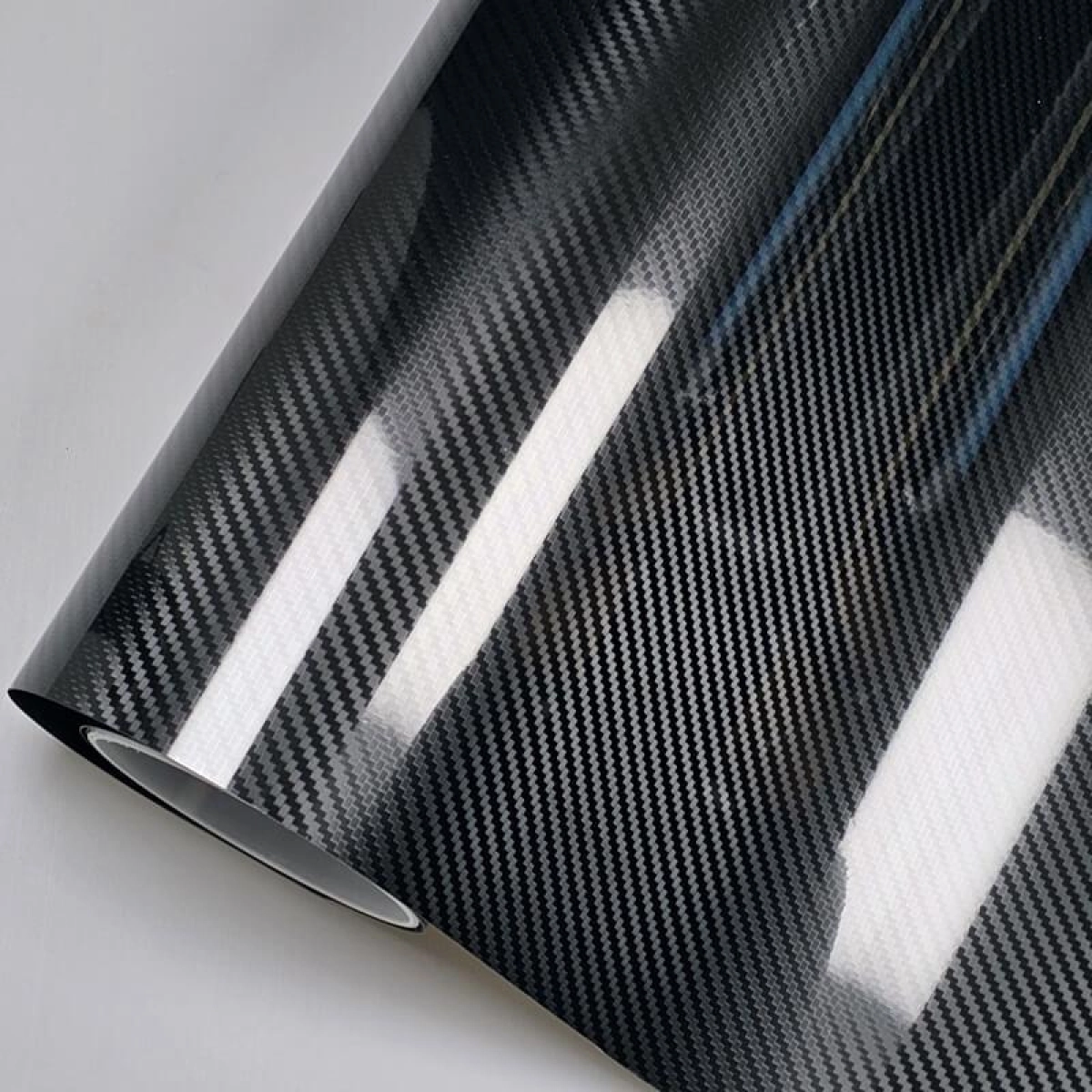
Carbon fiber–pattern paint protection film (PPF) blends two goals—style and protection. Unlike decorative PVC vinyl wrap, carbon-pattern PPF uses aliphatic TPU with an elastomeric, self-healing topcoat to resist chips, etching, and micro-marring while delivering a convincing weave texture. Below, we rank 10 leading carbon-pattern PPF options—including ALUKO—on durability, aesthetics, and overall value for hoods, roofs, mirrors, splitters, and accent panels.
How we compared
- Base material & self-healing: preference for aliphatic TPU and heat- or instant-activated scratch recovery.
- Top-coat chemistry: hydrophobic/anti-contamination behavior to reduce water spotting and staining.
- Thickness & clarity: typical 7.5–8.5 mil class, with low orange-peel where disclosed.
- Warranty & weathering: stated coverage and UV resistance expectations.
- Texture realism & finishes: depth of carbon weave and choice of gloss/matte or transparent overlays.
- Value: price-to-performance and network/availability for installers and B2B buyers.
Top 10 carbon fiber PPF films (2025)
1) ALUKO — TPU Carbon Fiber PPF (Bright)
ALUKO’s carbon fiber ppf film pairs a bold, high-contrast weave with a TPU base and self-healing topcoat for daily-driver protection. Great as a design accent on mirror caps, hood centers, roofs, and spoilers. Expect strong value for fleets and custom shops that want the “carbon” look with true PPF protection.
2) STEK — DYNOcarbon (Gloss)
STEK’s DYNOcarbon-gloss is one of the category’s benchmark fashion PPFs: a realistic black carbon-fiber pattern, extreme gloss, hydrophobic topcoat, and a 10-year manufacturer warranty. Ideal when you need a show-car sheen plus proven PPF behavior.
3) STEK — DYNOcarbon (Matte/Satin look)
The matte variant tones down reflections while preserving the woven depth—useful for stealth builds or to match OE matte trims. It retains the same self-healing, contamination resistance, and installer-friendly stretch characteristics associated with the DYNO series.
4) HEXIS — CANDYFENCE CF001 (Carbon PPF)
HEXIS’ CF001 is a full-color protective film with a 3D carbon-fiber pattern, gloss finish, and published film build around ~7.6 mil (195 µm). Offered in 60″ widths with up to 10-year durability, it’s a solid choice for both partial accents and full panels.
5) Paint Is Dead — DRY-X “Gloss Carbon Shield”
From the DRY-X color PPF line, Gloss Carbon Shield emphasizes a realistic pattern and gloss depth with the protection benefits of PPF. A popular option at custom shops that want visual punch plus the chip and scratch resistance of TPU.
6) TWRAPS — Transparent Carbon Fiber Color PPF
An unusual take: a glossy, transparent carbon pattern PPF that overlays existing paint color. Listed thickness options start at ~7.5 mil with 60″ x 50′ roll sizes, making it attractive for larger accent coverage or batch B2B jobs.
7) Vinyl Frog — CarbonShield Ultra (Carbon PPF)
Positions itself as a “super glossy” carbon-pattern PPF aimed at style-forward builds while retaining scratch and chip defense. Good availability and roll-size flexibility for installers testing fashion PPF SKUs.
8) Wrapteck — 5D Black Carbon Fiber PPF (TPU)
Marketed as a hydrophobic, self-healing PPF with a deep 5D carbon effect. Best suited for high-impact accent zones—mirror caps, A-pillars, and splitters—where stylistic texture and resilience matter.
9) TEC PPF — Carbon Fiber Series (B2B)
Supplier-grade fashion PPF citing brand-name components (e.g., Lubrizol TPU, Ashland adhesive) and multiple carbon patterns (including forged). A useful option for private-label programs and high-volume buyers.
10) VViViD / Wrapmaster — TPU Carbon Fiber PPF
Budget-minded carbon-pattern PPF entries that still advertise TPU bases and self-healing properties. Good for pilots and short-run accents where cost control is paramount.
When to choose carbon PPF vs. clear or color PPF
If your goal is maximum invisibility on high-impact zones (full front, door edges), stay with clear gloss ppf. For design accents where a realistic woven look enhances aero parts, mirrors, splitters, or roof panels, carbon-pattern PPF is ideal. If you’re exploring broader restyles, browse standard vinyl wrap or other color TPU options in our carbon fiber ppf wrap category.
Buyer checklist
- Verify the base material (aliphatic TPU) and the presence of a self-healing, hydrophobic topcoat.
- Check published thickness (many fashion PPFs cluster ~7.5–8.5 mil) and look for low orange-peel finishes.
- Confirm warranty duration (5–10 years common) and yellowing/weathering test references.
- Request a small sample to judge weave realism under natural light.
- For high-impact areas, consider mixing: keep clear PPF on full-front coverage and use carbon fiber ppf film only where aesthetics benefit most.
Blog comments
0 Comments