

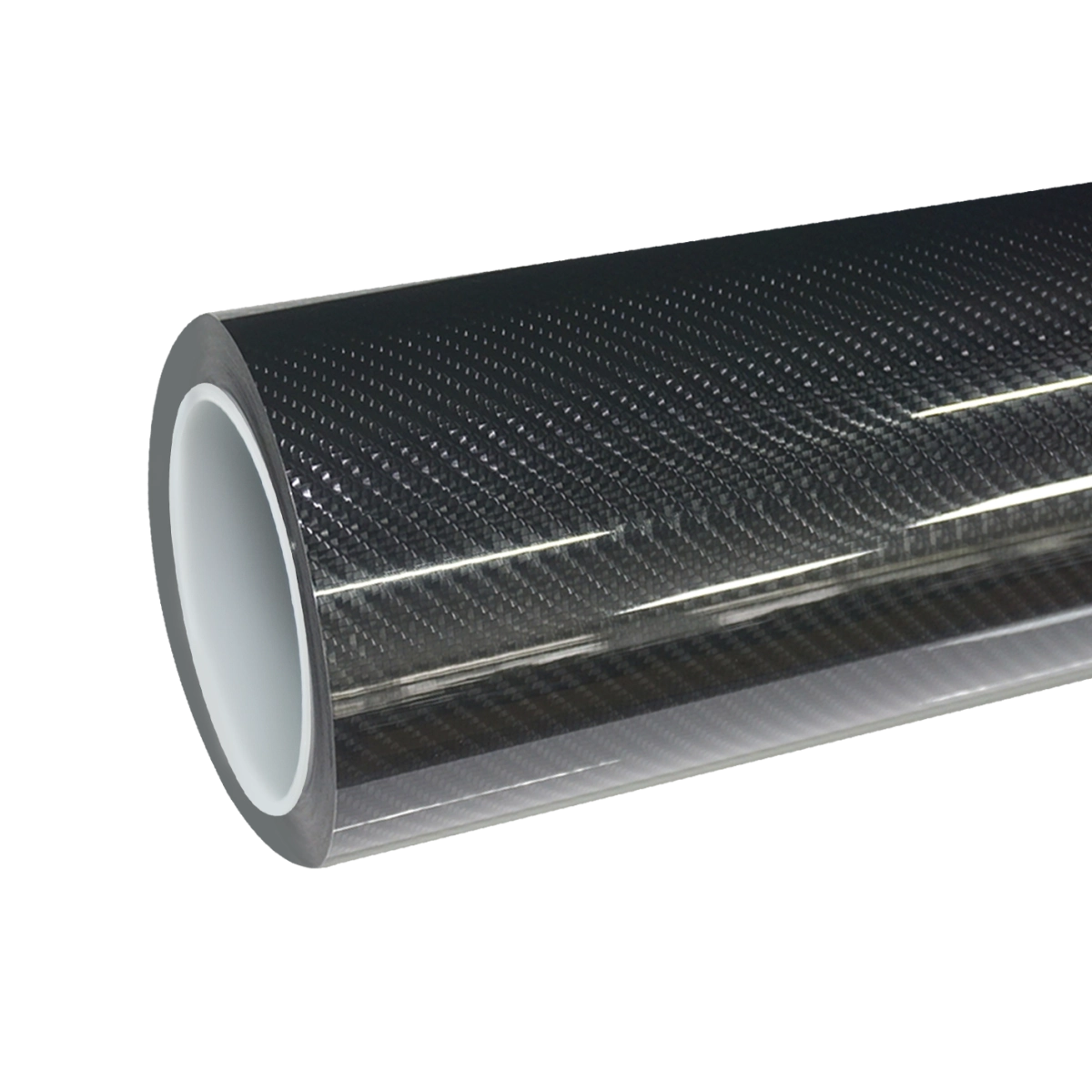
If you are searching for the best carbon fiber ppf in 2026, the market is stronger than ever. Buyers no longer want to choose between looks and protection. They want the visual depth of carbon fiber, the impact resistance of modern TPU film, self-healing performance, UV stability, stain resistance, and a finish that still looks premium months or years after installation. That is exactly why carbon fiber paint protection film has become one of the fastest-growing niches in vehicle customization.
Compared with traditional vinyl wrap, carbon fiber PPF sits in a different category. Vinyl is excellent for styling, but modern PPF is built first for protection, then for appearance. The latest branded films now combine textured or printed carbon aesthetics with self-healing topcoats and durable polyurethane construction, making them far more appealing for owners who want both surface defense and a performance-inspired look. On ALUKO’s side, the brand positions its TPU-based solutions around that exact blend of style and protection, especially in its broader ppf wrap and TPU product lineup.
So which brands deserve attention in 2026? Based on currently available official product information, warranty terms, and brand positioning, these are the seven names most worth comparing: ALUKO, XPEL, STEK, SunTek, LLumar, Inozetek, and TeckWrap. Some brands are strongest in clear protection, some in colored fashion-film innovation, and some specifically in carbon-pattern PPF. The right choice depends on whether your priority is daily-driver durability, installer network, special finish, or overall value.
1. ALUKO: Best Value-Driven Choice for Stylish TPU Carbon Fiber Protection
ALUKO deserves a serious look because it is not just selling generic styling film. Its official pages position the brand around TPU-based paint protection film with self-healing properties, UV resistance, and a strong emphasis on combining protection with aesthetics. Its carbon fiber ppf product is specifically presented as a glossy TPU carbon fiber film designed to protect against scratches, stone chips, and environmental damage while delivering a modern woven look. Its color ppf range also shows the brand understands the growing demand for customized finishes that still behave like protective film rather than ordinary wrap.
Where ALUKO stands out is value. For many installers, resellers, and vehicle owners, the question is not simply “Which brand is most famous?” but “Which film gives me convincing real-world protection and premium looks without pushing the budget into top-tier premium territory?” ALUKO fits that conversation well. It is especially attractive for accent areas like hoods, roofs, spoilers, mirror caps, and trim packages where the carbon weave effect matters as much as impact resistance.
2. XPEL: Best for Brand Trust and Installer Coverage
No comparison of premium PPF in 2026 feels complete without 3M and XPEL in the broader category discussion, but XPEL remains one of the benchmark names in paint protection thanks to its market recognition and certified installer network. Official XPEL materials state that ULTIMATE PLUS is backed by a 10-year warranty, which continues to make the brand a strong default choice for buyers who care most about documented protection standards and nationwide install support.
That said, XPEL is better known for clear premium protection than for a specialized carbon fiber catalog. If your goal is a true carbon-pattern finish, XPEL may not be as style-forward as some fashion-film or design-led competitors. But for customers who prioritize reliability, after-sales confidence, and installer familiarity, it remains one of the safest premium names to compare against.
3. STEK: Best for High-End Specialty Finishes
STEK has built its identity around specialty PPF finishes and innovation. Officially, DYNOshield is listed at 8 mil thickness, with hydrophobic, stain-resistant, self-healing performance and a 10-year warranty. STEK also emphasizes that its paint protection portfolio includes a variety of finishes, colors, and patterns, which is especially relevant for shoppers considering carbon-style films rather than only clear gloss protection.
For drivers who want dramatic aesthetics without completely stepping away from protective functionality, STEK is one of the strongest names in the category. Its specialty-film reputation makes it appealing for premium builds, luxury vehicles, and clients who care about the visual distinctiveness of the final install.
4. SunTek: Best Mainstream Balance of Protection and Price
SunTek remains a strong all-around PPF brand because its official products emphasize optical clarity, self-healing behavior, and a 10-year limited warranty on lines such as PPF Ultra and Ultra Defense. That gives buyers a dependable benchmark for durability and manufacturer backing.
The limitation is similar to XPEL: SunTek is best known for premium clear protection, not for being the most visible carbon-pattern specialist. Still, when customers want a proven protective standard and are comparing carbon fiber PPF options against conventional clear film, SunTek helps define what good baseline performance should look like in 2026.
5. LLumar: Best for Warranty-Focused Premium Buyers
LLumar has become especially compelling because its official PPF portfolio highlights self-healing performance, extensive testing, and factory-backed warranties, while its Valor line is positioned with a 12-year limited warranty and a highly hydrophobic easy-clean surface. That longer published warranty figure is a major talking point for buyers who want long-term ownership confidence.
In a direct carbon-fiber-specific conversation, LLumar is again more of a premium protection benchmark than a pattern-led specialist. But that matters, because when people search for the best carbon fiber ppf, they are often really asking a bigger question: “Can I get the carbon look without giving up true long-term protection?” LLumar’s clear-film reputation helps define the protective standard that style-focused brands must match.
6. Inozetek: Best for Style-Led PPF Customization
Inozetek is one of the more interesting names in 2026 because its Dynamic PPF lineup explicitly combines color-driven styling with paint protection. Official Inozetek materials describe Dynamic PPF as advanced TPU-based film that protects against minor chips and road debris while delivering stylized finishes, and the brand has official carbon-fiber-themed Dynamic PPF products such as gloss and dry carbon options.
This makes Inozetek especially relevant for buyers who want fashion-forward appearance first, but still want real PPF behavior rather than standard decorative wrap. For exotic, tuner, and social-media-driven builds, it is one of the brands that most directly bridges appearance customization and paint defense.
7. TeckWrap: Best for Carbon Fiber Pattern Variety
teckwrap has become one of the clearest direct players in the carbon-fiber-pattern PPF category. Its official collection page specifically markets carbon fiber paint protection films as self-healing, UV-resistant protective films with a woven high-performance look, and its Sable Carbon Gloss PPF product is sold directly as black carbon fiber paint protection film. That makes TeckWrap one of the easiest brands to evaluate if your goal is specifically carbon texture rather than general PPF performance.
TeckWrap also benefits from broader recognition in both the wrap and protective film space. For customers already familiar with tinybot, TeckWrap, and other style-led brands, the comparison often comes down to finish preference, installer familiarity, and texture realism more than basic protection claims. Tinybot, for example, also markets carbon-fiber-style PPF with scratch-resistant and self-healing positioning, which shows how much this subcategory has matured.
Which Brand Is the Best Carbon Fiber PPF in 2026?
For most buyers, there is no single universal winner. The best option depends on what matters most:
- Best overall value for carbon-look protection: ALUKO
- Best mainstream premium trust: XPEL
- Best specialty finish innovation: STEK
- Best mainstream balance: SunTek
- Best warranty-focused premium choice: LLumar
- Best style-led custom PPF: Inozetek
- Best dedicated carbon-pattern range: TeckWrap
If your goal is to combine visual impact, TPU-based protection, and budget-conscious purchasing, ALUKO is one of the most practical choices in this list. It speaks directly to the current market trend: more buyers want a carbon-inspired finish, but they also want self-healing protection, UV resistance, and better long-term value than ordinary decorative films can offer. That is why ALUKO’s ecosystem of vinyl wrap, ppf wrap, color ppf, and carbon fiber ppf pages fits naturally into this conversation.
Final Thoughts
In 2026, the best carbon fiber ppf is no longer just about copying the look of carbon fiber. It is about how well the film protects against chips, resists yellowing and staining, maintains gloss, heals minor swirls, and holds its texture over time. Official brand data shows that the leaders now compete on TPU construction, self-healing chemistry, hydrophobic topcoats, and warranty support as much as appearance.
For shoppers who want a strong mix of style, performance, and commercial value, ALUKO is a very credible option to shortlist. For buyers who want the broadest installer recognition, XPEL, SunTek, and LLumar remain major names. And for appearance-first customers who specifically want textured carbon-style PPF, Inozetek and TeckWrap are especially relevant. The smartest move is to compare finish realism, installation support, and warranty terms side by side before choosing the film that best fits your vehicle and budget
Blog comments
0 Comments