

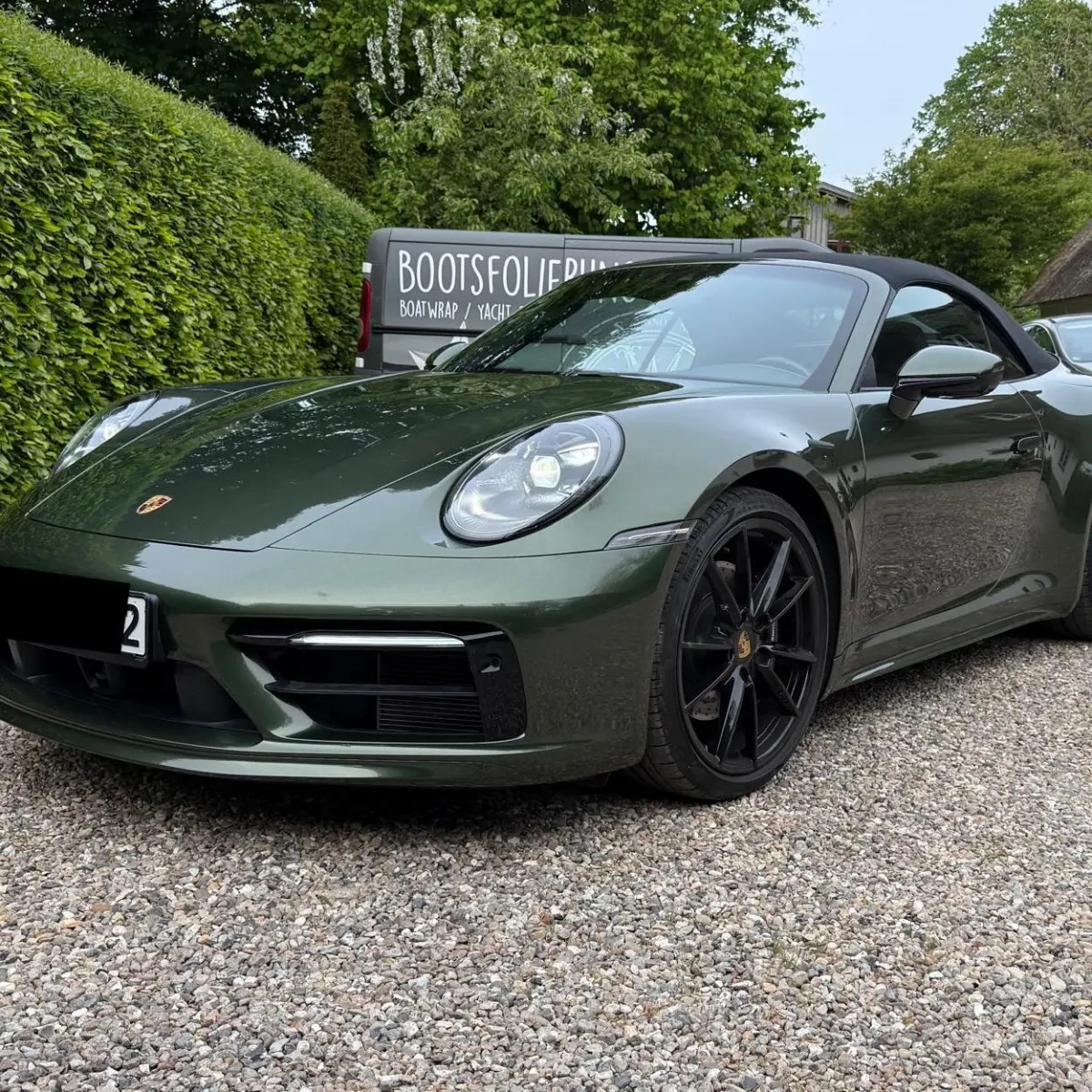
Short answer: factory paint looks great, but a modern TPU paint protection film (PPF)—often called a paint shield—adds a self-healing sacrificial layer that resists chips, swirl marks, and environmental staining. For buyers who want OEM gloss to last longer with less maintenance, a quality PPF such as ALUKO’s clear gloss is the smarter first upgrade.
What is a paint shield (PPF) and how is it different from paint?
Factory paint is a color base with a clearcoat sprayed and baked at the plant. A paint shield—better known as PPF—is a transparent thermoplastic polyurethane (TPU) film applied on top of that clearcoat. High-end films feature a self-healing topcoat that recovers from light swirls with heat, strong resistance to staining, and excellent optical clarity that keeps the OEM look intact. You can combine PPF with a vinyl wrap for color changes on non-protected panels, but for long-term chip defense on high-impact zones, PPF is the specialist tool.
Where PPF wins vs. traditional paint
- Impact & abrasion: A good TPU paint shield (~8–8.5 mil) absorbs rock strikes and road rash before the damage reaches clearcoat.
- Self-healing micro-marring: Warm water or sun can soften and “heal” fine swirls on premium films, reducing the need for polishing.
- Hydrophobic topcoats: Newer films bead water and resist stains from bugs, tar, or road salts, keeping the finish easier to maintain.
- Targeted repairs: If a section is damaged, installers can replace just that piece of film—your paint underneath remains original.
Where paint still has advantages
- Full-color transformations: For dramatic color changes and finishes (pearls, satins), a dedicated vinyl wrap or respray controls the palette—PPF is clear by design, though textured and styled options exist.
- Panel blending: A skilled body shop can blend new paint on accident repairs; PPF is typically re-installed after curing.
- Ultimate paint correction: Heavy defects in older finishes may still require sanding and refinishing before applying a film.
ALUKO vs. other paint shield brands: feature comparison
ALUKO focuses on clarity, durability, and installer-friendly handling across multiple finishes. Below is a high-level comparison to help you decide. (Specifications vary by series; check the linked product pages for details.)
| Brand | Typical Thickness & Warranty | Standout Features |
|---|---|---|
| ALUKO (Clear & Specialty) | Clear gloss option listed at ~8.5 mil; warranty terms vary by SKU & region. | High-gloss clarity (clear), specialty textures like carbon fiber ppf film; installer-friendly tack and stretch. |
| 3M Scotchgard™ Pro Series | ~8 mil; limited warranty reported at up to 10 years (series dependent). | Strong OEM network, broad pattern database; reliable optical clarity. |
| XPEL ULTIMATE PLUS | ~8 mil; widely known for 10-year limited warranty. | Self-healing topcoat; “virtually invisible” look; expansive kit library. |
| LLumar / SunTek (Eastman) | Varies by series; many lines offer 10-year limited warranty. | Hydrophobic topcoats (HydroGard™/HydroResist™); gloss and matte options. |
| STEK DYNOseries | ~8 mil; typically 10-year limited warranty. | Hydrophobic self-healing topcoat; very low “orange peel” feel on premium lines. |
Choosing the right ALUKO paint shield for your use case
If your goal is to preserve a brand-new OEM finish with as little visual change as possible, start with clear gloss ppf on high-impact areas (front bumper, hood front edge, mirror caps, rocker panels). For track use or gravel-road driving, consider full-front to full-body coverage. If you want a custom aesthetic without repainting, a textured paint shield like ALUKO’s carbon weave can change the look while keeping the protection layer in place. Pairing select PPF zones with color-change vinyl wrap elsewhere is a common hybrid strategy.
Care, maintenance, and installer tips
- Curing: Expect small installation marks to settle as the film cures; avoid harsh washing for the first week.
- Washing: Use pH-neutral soaps; avoid abrasive polishes on the film. Many modern films tolerate coatings, but confirm with your installer.
- Heat equals healing: Warm water or sun exposure helps self-healing topcoats recover from light swirls.
- Mix & match finishes: Gloss on leading edges; matte on hoods/roofs for contrast; stylized panels with carbon fiber ppf film.
Bottom line
Paint will always define your car’s color and depth. A high-quality TPU paint shield extends that fresh-paint feeling by absorbing daily abuse you’d otherwise polish—or repaint—away. If you want the longest-lasting OEM look with minimal upkeep, start with ALUKO’s clear gloss film for your daily-impact zones. For style-forward builds, blend ALUKO textures with color-change vinyl wrap and finish with selective tpu wrap coverage to protect where it matters most.
Blog comments
0 Comments