

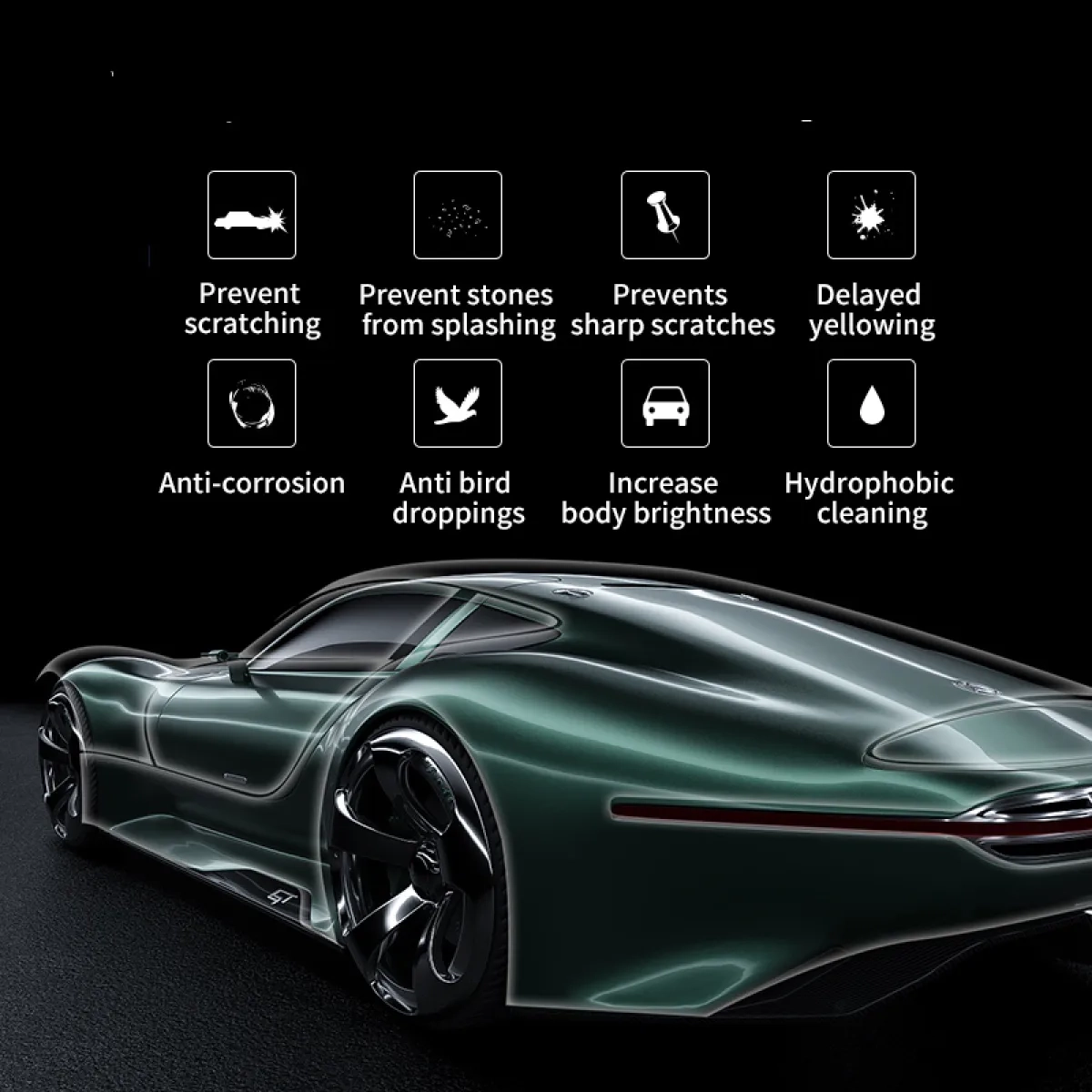
Are you trying to keep your car safe and not spend a lot? Think about driving your car every day. You want to stop scratches and chips. These can make your car worth less. When you look at ppf cost and quality, you help yourself feel happy for a long time. Here is what makes a good choice:
|
Aspect |
Details |
|---|---|
|
Reduced Paint Damage |
Cuts down on scratches and chips. This saves you money on repairs. |
|
Preservation of Vehicle Value |
Keeps your car looking great. This helps you sell it for more money. |
|
Extended Aesthetic Appeal |
Your car looks new for longer. You do not need as much fixing. |
Think about how good the material is. Check if the installer knows what they are doing. Read what real customers say before you pick.
Key Takeaways
-
Keep your car worth more by getting good paint protection film (PPF). PPF helps stop scratches and chips.
-
Find local installers by reading reviews and asking people you know. You can also use websites to compare services and prices.
-
Learn about full and partial coverage choices. This helps you pick what works for your money and needs.
-
Always ask for quotes that show the type of PPF, where it covers, and warranty details. This helps you compare better.
-
Pick installers who have good reputations and happy customers. This makes sure you get good work and results that last.
Start Your PPF Search
Find Local Installers
You want to protect your car, but you also want to save money. The first step is to find local installers who offer paint protection film services. You can start by searching online with phrases like "PPF near me" or "Paint Protection Film [your city]." This helps you see which shops are close to you and what they offer.
-
Ask friends, family, or people in your car club for recommendations. They might know the best ppf providers in your area.
-
Check social media groups for car enthusiasts. People often share photos and reviews of their experiences with local installers.
-
Use map apps to look up auto shops nearby. You can read ratings and see which ones specialize in PPF.
Good customer service matters. If an installer answers your questions and explains their process, you know they care about your satisfaction. This shows they have experience and skill.
You can also visit local forums or review sites. These places let you compare prices and read honest feedback from other car owners. If you want to find local providers, look for shops with high ratings and clear photos of their work.
Use Online Tools
Online platforms make it easy to compare PPF services and prices. You can use websites that list installers by location and show what each one offers.
-
3M has a network of authorized installers. You can search by your zip code and see which shops meet their standards for quality.
-
Opticle features carefully selected installers. You can check their profiles and see examples of their work.
-
Review sites like Yelp and Google Maps help you compare prices, read reviews, and see photos from real customers.
If you want to save money, look for deals or packages on these sites. Some installers offer discounts for full coverage or special promotions for new customers. Always check what is included in the price, like warranty or aftercare services.
When you use these tools, you get a clear picture of what is available in your local area. You can compare prices, read reviews, and choose the installer that fits your needs and budget.
What is PPF?
Paint protection film, or ppf, is a clear, tough layer that you put on your car’s paint. You might hear people call it a “clear bra.” This film acts like a shield, stopping rocks, bugs, and road debris from scratching or chipping your car. Ppf is not the same as wax or sealants. Those products mostly protect against sun and rain. Ppf gives you real protection against physical damage.
AlukoVinyl Paint Protection Film stands out in the market. It uses advanced thermoplastic urethane. This means you get a film that is self-healing, hydrophobic, and super clear. If you get a small scratch, the film can heal itself when it gets warm. Water and dirt slide right off, so your car stays cleaner. The high-clarity finish keeps your paint looking shiny and new. AlukoVinyl ppf lasts 8-10 years and helps your car keep its value.
|
Feature |
AlukoVinyl PPF |
Other Premium Brands |
|---|---|---|
|
Lifespan |
8-10 years |
Similar |
|
Self-Healing |
Yes |
Yes |
|
Resale Value |
Highest |
Competitive |
Benefits of PPF
When you choose ppf, you get more than just a clear layer. Here are some top benefits:
-
Stops scratches and chips from rocks and shopping carts.
-
Blocks stains from bird droppings, tree sap, and bug splatter.
-
Protects against UV rays, so your paint does not fade.
-
Keeps your car looking shiny and new for years.
-
Makes cleaning easier because of its hydrophobic surface.
-
Boosts your car’s resale value.
You also get peace of mind. You know your car is safe from most daily hazards.
Why Compare PPF Pricing?
You want the best deal, but you also want the best protection. Not all ppf is the same. Some brands use better materials or offer longer warranties. Advanced features like self-healing and hydrophobic coatings can cost more, but they save you money in the long run. If you understand what makes ppf valuable, you can spot a good deal.
The ppf industry is growing fast. In 2023, about 12% of new cars got ppf. Experts think this number will reach 17% by 2025. New eco-friendly TPU materials are making ppf even better and safer for the planet. Carbon-neutral policies may change prices, but they also push brands to offer better products.
Tip: Always check what features and warranties come with the ppf before you compare prices. This way, you get the most value for your money.
Key Factors in PPF Cost
When you start comparing ppf cost, you might notice prices can vary a lot. That’s because several important factors shape what you pay for quality ppf services. Let’s break down what really matters so you can make the best choice for your car and your wallet.
Film Quality and Type
The type and quality of ppf you choose will have a big impact on both price and performance. Not all films are the same. Some offer basic protection, while others come packed with advanced features like self-healing and hydrophobic coatings. If you want your car to look great for years, you should pay attention to ppf material quality.
-
Premium ppf films from trusted brands last longer and protect better. They resist UV rays, stains, and scratches.
-
High-end options, like AlukoVinyl Paint Protection Film, use advanced technology. You get self-healing surfaces and a glossy, invisible finish.
-
Basic films cost less but may not offer the same level of protection or shine.
Tip: If you want the best results, invest in quality ppf services. The extra cost up front can save you money on repairs and keep your car looking new.
Vehicle Size and Coverage
The size of your vehicle and how much of it you want to cover will change the total ppf cost. Bigger cars need more film and more labor. That means higher prices.
-
Compact cars use less ppf material, so they cost less to protect.
-
SUVs, trucks, and vans need more film, which increases the price.
-
Full wraps cover the entire car and cost more than partial coverage, like just the hood or bumpers.
Here’s a quick look at how vehicle size and coverage affect ppf cost:
|
Vehicle Type |
Coverage Option |
Estimated Cost Impact |
|---|---|---|
|
Compact Car |
Partial |
Lower |
|
Compact Car |
Full |
Moderate |
|
SUV/Truck |
Partial |
Moderate |
|
SUV/Truck |
Full |
Higher |
If you want to save money, you can choose to protect only high-impact areas. But if you want full peace of mind, a complete wrap gives the best protection.
Installer Experience
Who installs your ppf matters just as much as the film itself. Experienced installers know how to handle tricky curves and edges. They use the right techniques to make sure your film looks smooth and lasts a long time.
-
Skilled installers often charge more, but you get better results and fewer problems.
-
Less experienced installers might offer lower prices, but you could end up with bubbles, peeling, or poor coverage.
Note: Always check reviews and ask about the installer’s experience before you decide. Quality ppf services come from people who know what they’re doing.
Extra Services
Some shops offer more than just basic ppf installation. These extras can add to the final ppf cost, but they also give you more value.
|
Additional Service |
How It Affects Price |
|---|---|
|
Ceramic Coating |
Adds shine and makes cleaning easier. Raises the total cost. |
|
Custom Designs |
Lets you personalize your car. Increases installation fees. |
|
Detailing/Prep Work |
Ensures a flawless finish. May add to the price. |
If you want your car to stand out or stay cleaner longer, these extras might be worth it. Just remember to ask what’s included in your quote so you know exactly what you’re paying for.
Choosing the right mix of ppf material quality, installer skill, and extra services helps you get the most from your investment. When you compare ppf cost, look beyond the price tag and think about the long-term value for your car.
PPF Pricing Breakdown
Full vs. Partial Coverage
When you look at ppf pricing, you will see two main options: full coverage and partial coverage. Full coverage means you protect your entire car with ppf. Partial coverage usually means you only cover high-impact areas like the hood, bumpers, or mirrors. The choice you make will change the total cost.
Here’s a quick table to help you see the difference:
|
Coverage Type |
Price Range |
|---|---|
|
Full Vehicle PPF |
$4,200 - $10,200 |
|
Partial PPF |
$1,600 - $3,400 |
Full ppf coverage costs more because you use more film and need more labor. Partial ppf is less expensive, but it only protects certain parts of your car. If you want the best protection, full coverage is the way to go. If you want to save money, partial coverage can still keep your car looking good.
You might see prices like $2,000 to $6,000 for full ppf on a standard car. Partial ppf can start as low as $500 and go up to $2,000. The final price depends on your car’s size, the film quality, and the installer’s skill.
Regional Price Ranges
PPF pricing changes a lot depending on where you live. In big cities, you often pay more because shops have higher costs. For example, in Chicagoland, a full vehicle kit can cost $8,000 or more. In Jupiter, FL, prices can range from $100 for a small area to over $13,000 for a luxury car. Urban areas may charge 20-30% more than rural shops.
Here’s a table with some common packages and their starting prices:
|
Package Type |
Price Range |
|---|---|
|
Partial Front Kit |
$1,350+ |
|
Full Front Kit |
$2,400+ |
|
Full Vehicle Kit |
$8,000+ |
|
Custom Options |
Varies |
If you live in a city, expect higher ppf pricing. For example, a full ppf install for a sports car in a premium city with AlukoVinyl PPF can reach about $9,900. In rural areas, you might pay less for the same service. Always compare local shops and ask what is included in the price. Some shops offer better aftercare or longer warranties, which adds value.
Tip: Don’t just look at the lowest price. Check what you get for your money. AlukoVinyl PPF gives you advanced features and long-lasting protection, so you get more value even if the price is higher.
How to Compare Quotes
Shopping for PPF can be confusing. You see many prices and packages. It is hard to know which installer is best. You want your car protected and want good value. Let’s learn how to compare prices and packages with confidence.
Gather Detailed Quotes
Start by getting quotes from three local installers. Do not accept just a quick price over the phone. Ask for a written quote that lists every part of the job. This helps you see what you are paying for. It makes pricing clear and easy to understand.
Here’s what you should ask for in each quote:
-
Type and brand of PPF film, like AlukoVinyl or another premium brand
-
Which parts of your car will get covered
-
If prep work and cleaning are included
-
Warranty details and aftercare services
-
Any extra services, like ceramic coating or custom designs
When you compare PPF installations, look at the installer’s skill and the quality of materials. These things affect how well the job is done and how long it lasts.
You should see clear prices for each part of the job. If a shop gives you one big price with no details, ask for more information. Clear pricing helps you know what you are getting. This makes it easier to compare shops.
A good installer will take time to answer your questions. They will explain their process and not rush you. You should feel okay asking about their experience and the brands they use. If you see a big price difference, check what each quote includes.
Compare What’s Included
Not all PPF quotes are the same. Some shops have low prices but skip important steps or use lower-quality film. Others include extra services that add value. You need to look past the price and see what is really included.
Make a simple checklist to help you compare:
-
Is the PPF film self-healing and hydrophobic?
-
Does the quote cover full or partial areas?
-
Are edges wrapped for better protection?
-
Is there a warranty? How long does it last?
-
Do they offer aftercare or free inspections?
Look for installers with lots of experience and many successful jobs. This shows they can work on different cars and know how to apply PPF well.
A strong warranty shows the installer trusts their work and materials. Make sure you understand the warranty before you agree to the job.
You want clear prices at every step. If a quote seems too cheap, check if they use good PPF or skip prep work. Sometimes, a higher price means better film, more coverage, or a longer warranty. This can save you money later.
Here’s a quick table to help you compare quotes:
|
Feature |
Installer A |
Installer B |
Installer C |
|---|---|---|---|
|
PPF Brand |
|||
|
Coverage Area |
|||
|
Warranty Length |
|||
|
Aftercare Included |
|||
|
Extra Services |
|||
|
Total Price |
Fill in the table with details from each quote. This helps you see differences and find the best value.
Remember, compare prices and packages, not just the lowest price. Clear pricing helps you make a smart choice. When you know what is included, you can pick the PPF installer that gives you the most for your money.
Evaluating Customer Reviews and Ratings
Check Online Feedback
When you look for a PPF installer, it helps to know what others think. Customer reviews and ratings show how a shop treats people. They also show if the shop does a good job. Reading what other car owners say can teach you a lot.
-
Reviews and ratings tell you if the service is good.
-
Good reviews help you trust the shop more.
-
Bad reviews warn you about problems or bad service.
-
Many good ratings mean lots of people like the installer.
-
Detailed reviews talk about the materials, the installer's skill, and how the PPF works over time.
Reading reviews is very important. It helps you see if a PPF installer is trusted in your area. Other customers' stories can show if the work and service are good.
You can find reviews on Google, Yelp, and the Better Business Bureau. These sites show ratings and let you read real stories. Sometimes, friends or family who used PPF services can give the best advice. Their stories help you avoid mistakes and pick the right shop.
Assess Installer Reputation
You want to trust the person who works on your car. To check an installer's reputation, look at more than just ratings. Focus on these things:
-
Experience and skills
-
Customer reviews and stories
-
Professional behavior and clear answers
-
Use of good materials
-
Awards or approval from groups like the Better Business Bureau
Reputation comes from happy customers. Read reviews and stories from past clients. If many people say the installer does great work and acts professional, you can trust them.
You can also check the installer's website for stories from customers. These are usually positive, but reviews on other sites are more honest. If you see lots of happy customers and high ratings, you know you picked a good shop.
Value Beyond Price
Warranty and Aftercare
When you compare PPF options, you should look past the price tag. A strong warranty and good aftercare can make a huge difference for your car’s long-term protection. Most top installers offer warranties that last anywhere from 5 to 12 years. These warranties cover things like yellowing, peeling, bubbling, and loss of self-healing properties. Some brands, like ULTIMATE PLUS & STEALTH, even promise coverage for defects such as cracking and delaminating for up to 10 years.
|
Warranty Type |
Duration |
Coverage Details |
|---|---|---|
|
ULTIMATE PLUS & STEALTH |
10 years |
Covers defects like yellowing, cracking, blistering, and delaminating. |
|
FUSION PLUS PAINT & PPF |
4 years |
Covers oxidation, loss of gloss, UV damage, and color fading. |
You want to keep your warranty valid. Regular maintenance and annual inspections help you do this. Avoid harsh chemicals and automatic car washes. Let the film cure for at least 72 hours after installation. Don’t wash your car or touch the film during this time. These simple steps keep your PPF looking great and your warranty strong.
Tip: Schedule yearly service checks to make sure your PPF keeps working well. This helps you catch small issues before they become big problems.
Shop Visits and Samples
Visiting a PPF shop in person gives you a real feel for the quality and service you’ll get. You can talk to professional installers who know how to apply the film perfectly. They use high-quality materials and tools that you might not find anywhere else. Seeing their work up close helps you trust their skills.
-
You can ask for product samples to see how the film looks and feels.
-
Shops often show you finished cars so you can check the gloss and clarity.
-
Reputable installers offer warranties that protect your investment.
If you want peace of mind, ask questions during your visit. Look for shops that explain their process and show you real results. This way, you know exactly what you’re getting before you spend your money. 👀
Seeing is believing. Shop visits and samples help you make a smart choice and feel confident about your PPF investment.
Make Your Choice
Balance Cost and Quality
You want the best for your car, but you also want to stay within your budget. Finding the right balance between cost and quality helps you get the most value from your PPF investment. Here are some smart ways to make your decision:
-
Think about what you need and how much you want to spend. Do you want full coverage or just the high-impact areas?
-
Look at different coverage types. Some protect more, while others cost less.
-
Check what makes the price go up or down. Film type, installation methods, and custom options all play a part.
-
Compare the thickness, design, and durability of each film. Some films have unique finishes that might suit your style.
-
Get quotes from several installers. See if you can negotiate or ask about payment plans.
-
If you feel confident, you might even consider a DIY kit for smaller jobs.
Tip: The best choice is the one that fits your needs, your car, and your wallet. Don’t just pick the cheapest option—think about long-term protection and value.
Preparing for Your PPF Installation: A Quick Guide
A successful paint protection film (PPF) installation begins with proper preparation. Follow this simple checklist to ensure your vehicle is ready and to understand the installation process for a flawless finish.
Before Your Appointment:
Give Your Car a Clean Slate: Wash your vehicle thoroughly using a wax-free shampoo. Pay extra attention to areas that are prone to dirt and grime, such as the front bumper, hood, mirrors, and rocker panels. Any existing wax or sealant can prevent the film from adhering properly.
Gather Your Supplies (For DIY): If you are installing it yourself, ensure you have all necessary tools ready:
-
Spray bottles with slip solution
-
Squeegees (multiple sizes)
-
Heat gun
-
Precision razor blades
-
Soft, lint-free microfiber towels
-
Prepare the Workspace: Choose a clean, shaded, and dust-free area. An indoor garage is ideal, as direct sunlight and wind can make installation difficult and allow contaminants to settle on the film.
During the Installation:
The Application: Watch as the professional installer mists a special slip solution onto both your car's surface and the adhesive side of the film. This allows them to position the material perfectly before it's permanently set.
Squeegee & Seal: Using a squeegee, they will methodically work from the center outwards to remove all water and trapped air, ensuring a smooth, invisible bond.
Molding the Film: A heat gun is used to gently soften the film, allowing it to stretch and conform seamlessly to complex curves and sharp edges without wrinkling or lifting.
The Final Inspection: Once the film is applied, the installer will do a detailed inspection. You should also review the work together. Point out any bubbles, dirt specks, or edges you are unsure about so they can be addressed immediately.
Want a custom quote for your car? Drop your car model and location in the comments! 🚗💬 You can also share your PPF experience or ask for local installer tips. Your story might help someone else make a smart choice.
Choosing the right PPF means more than just looking at price. You want real value for your money. Here’s what matters most:
-
High-quality film protects your car from scratches, UV rays, and stains.
-
Skilled installers make sure the film lasts and looks great.
-
Good reviews show you can trust the shop.
-
PPF saves you money on repairs and keeps your car’s value high.
Take your time, compare your options, and pick what fits your needs. Protect your ride and enjoy peace of mind for years to come! 🚗✨
FAQ
What should you look for in a PPF provider?
You want a provider with experience, good reviews, and clear pricing. Ask if the provider uses high-quality film and offers a warranty. A trusted provider will answer your questions and show you past work. Visit the provider’s shop if you can.
How do you compare PPF prices from different providers?
Get quotes from each provider. Make sure every provider lists what is included. Check if the provider covers prep work, aftercare, and warranty. Use a table to compare each provider’s offer. Ask the provider about any extra fees.
Can you trust every provider to install PPF correctly?
Not every provider has the same skill. Look for a trusted provider with lots of happy customers. Read reviews about each provider. Ask the provider how long they have installed PPF. A good provider will show you real results.
Does the provider’s warranty matter for PPF?
Yes, the provider’s warranty protects your investment. Ask the provider how long the warranty lasts and what it covers. A strong warranty from a provider means you get help if the film peels or fades. Always read the provider’s warranty details.
How do you keep your PPF looking new after the provider installs it?
Follow the provider’s care tips. Wait 72 hours before washing your car. Use gentle soap and soft towels. Ask the provider about aftercare products. Visit the provider for yearly checks. Good aftercare from your provider keeps your PPF shiny and strong.
Blog comments
0 Comments