

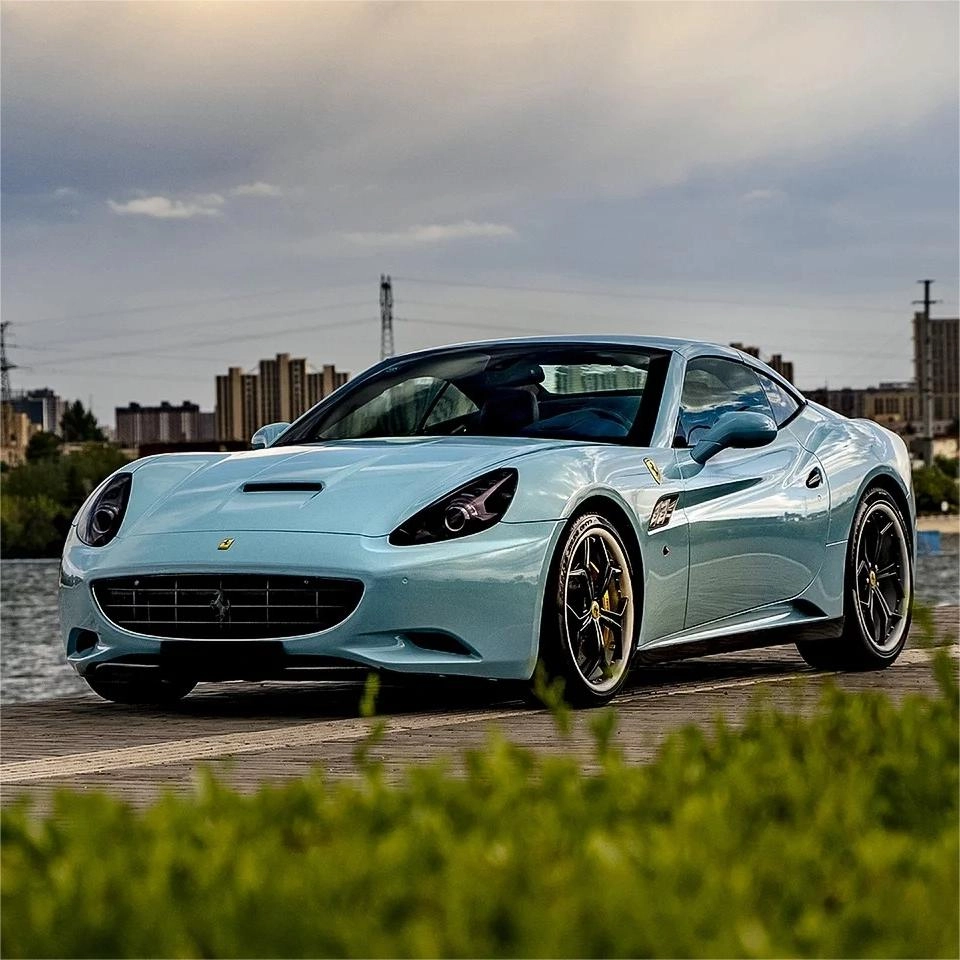
Why “Baby Blue Car” Still Turns Heads
While neutral colors dominate new-car lots, blue remains a consistent favorite in global color rankings, holding about a tenth of market share worldwide in recent years according to respected automotive paint reports. In other words, a baby blue car isn’t a fad—it’s a shade with long-standing appeal that balances personality with broad desirability.
Beyond aesthetics, lighter shades can help manage surface heat compared with darker, high-absorption colors. That’s one reason a soft, reflective baby blue finish can be both a style choice and a practical one for sunny climates.
Wrap vs. Paint: The Smart Path to Baby Blue
Choosing vinyl is the most flexible way to achieve the exact tone of baby blue you want—without the cost, downtime, or permanence of a full respray. Modern wrap films are engineered for outdoor durability, UV resistance, and clean removability, letting you refresh the look or return to OEM paint with minimal hassle. If you’re weighing options, start with our overview of car wraps to understand materials, thickness, and warranty basics.
Once you’re ready to explore shades, browse our curated blue vinyl wrap selections—from soft pastel baby blues to rich sky and powder tones. You’ll find films tuned for clean installs on complex curves, consistent color across panels, and strong adhesion without excessive tack.
Pick Your Finish: Glossy, Satin, or Matte?
The same baby blue hue reads very differently depending on finish. Here’s how to choose:
- Gloss: High reflectivity enhances the “wet paint” look and amplifies depth in lighter blues. It’s also the easiest to wash and maintain, making it a great daily-driver choice. See our glossy blue wrap options for an OEM-like shine with modern protective topcoats.
- Satin: Sits between gloss and matte. Satin baby blue softens reflections for a premium, contemporary vibe—excellent for luxury sedans and crossovers.
- Matte: Flattens reflections for a stealth, pastel-chalk effect. Striking on coupes and hot hatches, though it demands slightly more careful washing to avoid marring.
Tip: If you love the mirror-like pop of gloss but drive in harsh sun, pair your wrap with strategic shade parking, regular pH-neutral washes, and a gentle topper designed for wrap films.
Style with Sense: Demand, Value, and Trend Cycles
Blue finishes routinely appear in industry color reports and buyer-preference studies, which helps explain why baby blue stands the test of time. While ultra-rare colors sometimes dominate value-retention headlines, blue typically performs near the market average or better, especially in segments where buyers want color without going “too loud.” This makes baby blue a smart sweet spot: more distinctive than white or gray, but broadly appealing for future buyers.
If you plan to sell your car later, a wrap is especially practical—its removability lets you restore factory paint or present a fresh look to a broader audience.
What to Look For: Film Specs and Care
Not all wrap films are created equal. For a baby blue application, prioritize:
- Cast PVC or TPU-based films with conformability for complex curves and deep channels.
- UV-resistant topcoats to slow color fade and make cleaning easier.
- Repositionable adhesives (air-release channels) to minimize bubbles and reduce installation time.
- Temperature range & warranty suitable for your climate and use case (daily driver vs. show car).
Maintenance is straightforward: hand-wash with pH-neutral shampoo, avoid abrasive mitts, blot—not rub—bug splatter or bird droppings, and consider quarterly wrap-safe sealants. For front-end rock-chip zones, add a transparent layer of paint protection film (PPF) to shield your baby blue from impact and road rash without muting the color.
Design Pairings That Elevate Baby Blue
- Black accents: Mirror caps, roof, or splitters in gloss black create crisp contrast against pastel blue.
- Warm metallics: Bronze or satin gold wheels turn baby blue into a modern heritage combo.
- Color-matched details: Caliper decals or subtle pinstripes in a slightly deeper blue add cohesion.
Unsure which hue works best with your body lines? Start with samples from our blue vinyl wrap collection and tape them to sun-exposed panels to judge undertone and gloss under real daylight.
Quick FAQ
How long will a baby blue wrap last?
Quality films installed on properly prepped paint can last several years, depending on climate, storage, and care. Gloss finishes typically show the least day-to-day maintenance effort; matte requires gentler washing technique.
Gloss or satin for baby blue?
For daily drivers, gloss baby blue delivers the most “factory” look and simple upkeep. Satin offers a refined, contemporary vibe with reduced glare—great if you prefer a softer, designer finish.
Will baby blue make my car look smaller or bigger?
Light hues visually “expand” surfaces, accentuating clean bodywork and smoothing sharp creases—ideal if you want a friendly, airy presence without shouting for attention.
Next Steps
Ready to spec your project? Compare tones and finishes across our curated blue vinyl wrap lineup, explore glossy options in glossy blue wrap, and review installation basics in our guide to car wraps. Protect the look long-term with front-end paint protection film—a transparent layer that helps your baby blue stay bright, clean, and chip-free.
Blog comments
0 Comments